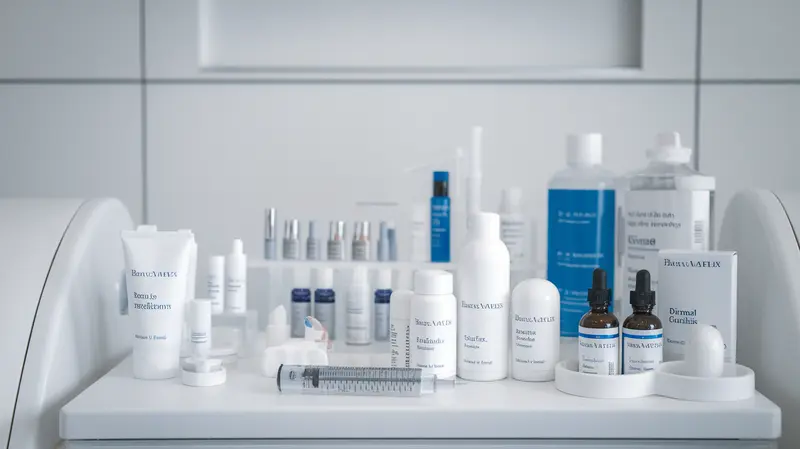
Are Dermal Fillers Non-Surgical?
Dermal fillers have gained immense popularity in the cosmetic industry over recent years, often touted as a non-surgical solution to enhance facial features and reduce the visible signs of aging. But what exactly are dermal fillers, and are they truly non-surgical? This article explores this topic in detail, providing clarity for those interested in this procedure.
What Are Dermal Fillers?
Dermal fillers are injectable substances designed to add volume, smooth out wrinkles, and enhance facial contours. Common materials used in dermal fillers include hyaluronic acid, calcium hydroxylapatite, poly-L-lactic acid, and more. These fillers temporarily restore facial volume and improve overall skin texture.
The Non-Surgical Nature of Dermal Fillers
Absolutely, dermal fillers are considered a non-surgical cosmetic treatment. Unlike traditional surgical procedures like facelifts, which require anesthesia and significant downtime, dermal fillers offer a minimally invasive option. The injections are typically performed in an outpatient setting, which means patients can return to their normal activities soon after.
Immediate Results
One of the key advantages of dermal fillers is the immediate results they deliver. Patients can expect to see an instant improvement in their appearance after the procedure, which often takes less than an hour. This makes dermal fillers a convenient choice for those seeking quick enhancements without the commitment of surgery.
Minimal Downtime
Another appealing aspect of dermal fillers is the minimal downtime involved. Some swelling or bruising may occur at the injection site, but this typically resolves within a few days. Most patients can resume their daily activities immediately, making it an attractive option for busy individuals.
Types of Dermal Fillers
There are various types of dermal fillers available, each suitable for different purposes:
- Hyaluronic Acid Fillers: These are the most common type and are ideal for adding volume and hydration to the skin.
- Calcium Hydroxylapatite Fillers: These are thicker fillers often used for deeper lines and wrinkles, as well as to enhance volume in areas like the cheeks.
- Poly-L-Lactic Acid Fillers: These fillers stimulate collagen production over time and are usually used for more gradual and long-lasting results.
Potential Risks and Considerations
While dermal fillers are generally considered safe, it's essential to be aware of potential risks. Common side effects include swelling, bruising, and redness at the injection site. In rare cases, more serious complications like infection or allergic reactions may occur. Therefore, it is crucial to consult with a qualified healthcare professional or dermatologist before undergoing treatment.
Why Choose Dermal Fillers?
Choosing dermal fillers over surgical options comes with several benefits:
- Non-Invasive: No surgical incisions or extended recovery times.
- Cost-Effective: Generally, fillers are more affordable than surgical procedures.
- Adjustable: If a patient desires less volume, adjustments can be made more easily than in surgical enhancements.
Conclusion
In conclusion, dermal fillers are indeed a non-surgical cosmetic treatment that provides immediate results with minimal downtime. They serve as an effective option for individuals seeking to rejuvenate their appearance without the commitment and risks associated with surgical procedures. As with any cosmetic procedure, it’s vital to conduct thorough research and consult with experienced professionals to ensure the best possible outcomes.
FAQs About Dermal Fillers
How long do dermal fillers last?
The longevity of dermal fillers varies based on factors like the type of filler used and the individual's metabolism. Generally, results can last from six months to two years.
Can I get dermal fillers if I am pregnant or breastfeeding?
It is generally advised to wait until after pregnancy and breastfeeding to undergo dermal filler treatments, due to potential risks and lack of extensive studies on their effects in these conditions.
Do dermal fillers hurt?
Patients may experience some discomfort during the procedure, but most fillers contain lidocaine, which helps minimize pain. Additionally, the procedure is quick, often over in less than an hour.
"