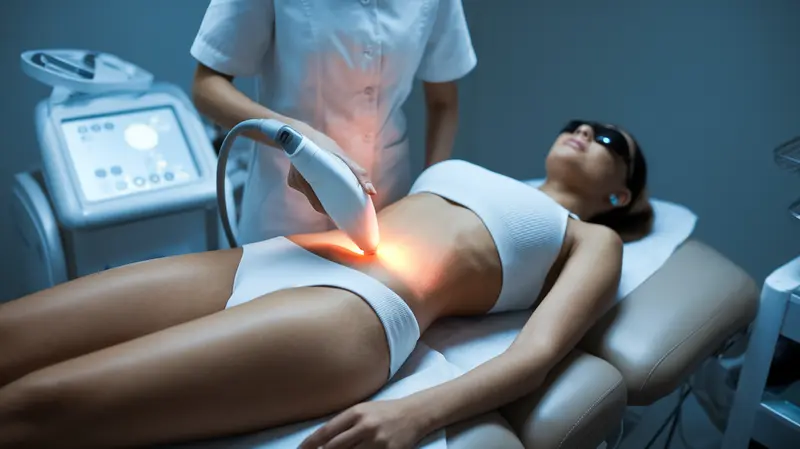
Can an Esthetician Do Microneedling?
Microneedling, also known as collagen induction therapy, is a cosmetic procedure that involves using small needles to create micro-injuries in the skin. This process stimulates the body’s natural healing response, promoting collagen and elastin production, which leads to improved skin texture, reduced fine lines, and a youthful appearance. A common question arises: Can an esthetician perform microneedling?
Understanding Microneedling
The microneedling process involves the use of a device equipped with fine needles that penetrate the outer layer of the skin. This technique can address various skin concerns, including:
- Acne scars
- Stretch marks
- Large pores
- Fine lines and wrinkles
- Overall skin texture improvement
Due to its growing popularity, many skincare professionals, including estheticians, are adding microneedling to their service offerings.
The Role of an Esthetician
Estheticians are trained skincare professionals who specialize in enhancing the skin's appearance through various treatments. Their training typically includes:
- Facials
- Waxing
- Makeup application
- Microdermabrasion
- Basic chemical peels
- Skin analysis
However, the specific services they can perform, including microneedling, vary by state and country regulations.
Licensing and Regulations
In the United States, the ability for estheticians to perform microneedling largely depends on state regulations. Some states allow licensed estheticians to perform microneedling treatments, while others require a higher level of certification, often only granted to licensed medical professionals like dermatologists or physicians. It is crucial for estheticians to stay informed about their state’s laws regarding microneedling practices.
States Allowing Estheticians to Perform Microneedling
In states where estheticians can perform microneedling, they typically must complete additional training specific to the procedure. This includes:
- Understanding skin anatomy and physiology
- Learning about proper sanitation and hygiene practices
- Mastering device usage and patient care
- Recognizing potential risks and complications
States Requiring Medical Supervision
In some states, microneedling is restricted to medical professionals. If an esthetician works under the supervision of a licensed physician, they may be able to perform the procedure, provided they receive the necessary training and oversight.
Alternatives for Estheticians
If an esthetician is prohibited from performing microneedling, they can offer alternative treatments that also promote skin rejuvenation, such as:
- Chemical peels
- Laser treatments
- Hydrafacials
- LED therapy
- Cleansing facials
These services can still provide significant benefits for skin health and appearance.
Benefits of Professional Microneedling
Choosing a trained professional, whether an esthetician or a medical practitioner, for microneedling is crucial for safety and effectiveness. Benefits of receiving professional microneedling include:
- Customized treatment plans tailored to individual skin concerns
- Access to standalone devices that may be more effective than at-home kits
- Professional aftercare advice to enhance results and minimize downtime
- Immediate answers to questions and concerns during and after the procedure
Post-Treatment Care
Regardless of whether an esthetician or a medical professional performs microneedling, proper post-treatment care is vital. Recommendations often include:
- Avoiding sun exposure and using sunscreen
- Staying hydrated
- Refraining from using harsh skincare products for a few days
- Applying soothing serums recommended by the practitioner
Conclusion
Ultimately, whether an esthetician can perform microneedling depends on state regulations and their specific training. Those considering microneedling should thoroughly research their options and consult with a licensed professional to determine the best treatment approach for their skin concerns. With appropriate training and understanding of safety protocols, estheticians can offer valuable services to enhance skin health and beauty.