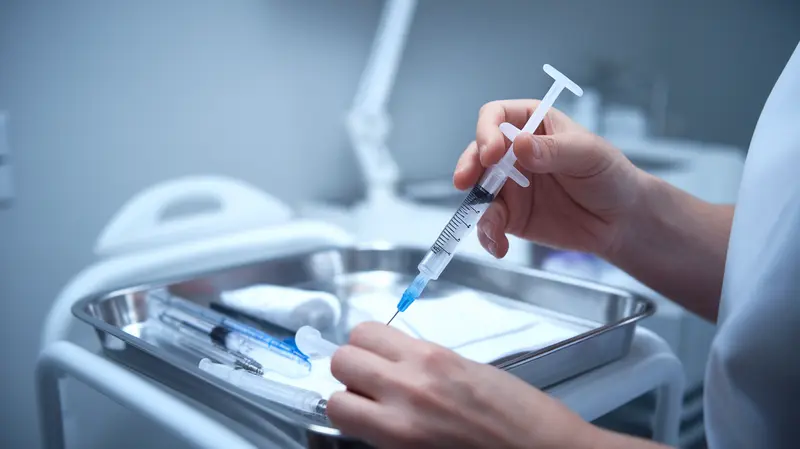
Can You Become a Cosmetic Injector Without Being a Nurse?
The field of cosmetic injection is rapidly growing, attracting professionals from various backgrounds. As the demand for non-surgical aesthetic procedures increases, many wonder whether they can enter this lucrative field without a nursing degree. This article explores the various pathways to becoming a cosmetic injector and the alternatives available for those who are not nurses.
Understanding Cosmetic Injection
Cosmetic injectors administer substances like botulinum toxin (Botox) and dermal fillers to enhance a client’s appearance. This role typically requires a strong understanding of anatomy, skin types, and advanced techniques to safely perform injections. While many injectors come from nursing backgrounds, there are other avenues available.
Current Regulations and Requirements
Regulations regarding who can perform cosmetic injections vary significantly depending on the state or country. In many places, only licensed healthcare professionals such as nurses, nurse practitioners, or physicians can legally perform these procedures. However, some regions allow trained aestheticians or medical assistants to give certain treatments. It’s crucial to check local regulations as this will determine the pathways available to you.
Paths to Becoming a Cosmetic Injector
1. Medical Licensure
The most straightforward path remains obtaining a medical license. This route often involves years of study, including medical school and residency, but it is the most recognized qualification. Physicians or physician assistants have extensive training in anatomy and patient care, making them competent injectors.
2. Nursing Degree
Becoming a registered nurse (RN) or an advanced practice nurse (such as a nurse practitioner) is a common pathway. RNs can attend specialized training in cosmetic injection and gain certification. This credential empowers them to perform both injectable treatments and comprehensive patient assessments.
3. Alternative Aesthetic Qualifications
For individuals without a nursing background, there are alternative training programs aimed at those interested in aesthetics. Some states allow aesthetic practitioners, such as estheticians, to perform certain cosmetic injections after completing specialized training programs. These programs provide education on facial anatomy, injection techniques, and safety protocols.
Training and Certification Programs
Many private training institutes offer cosmetic injection courses targeted at aspiring injectors. These can range from short workshops to comprehensive certification programs. Typically, they cover:
- Anatomy and physiology of the skin
- Injection techniques for various fillers and toxins
- Patient assessment and consultation
- Complications management
Before enrolling, ensure the program is accredited and recognized in your region. Completing such training may enhance your credentials and confidence as a prospective injector.
The Importance of Experience
Completion of training programs does not equate to being a skilled injector. Hands-on experience is paramount. Many courses offer practical sessions where students can practice techniques under professional supervision. After completing training, consider seeking internships or mentorships through clinics or established cosmetic injectors to gain real-world experience.
Ethical Considerations
Cosmetic injection involves a significant degree of responsibility. Understanding the ethical implications and maintaining patient safety should be a priority for all injectors. Properly assessing a client’s needs and managing expectations is essential. Always prioritize professionalism and patient care.
The Future of Cosmetic Injectors
As technology advances and the aesthetic industry evolves, the role of cosmetic injectors may change. Continuous education and staying abreast of new techniques and products are vital for success. Joining professional organizations and attending industry conferences can provide valuable networking opportunities and knowledge updates.
Conclusion
Becoming a cosmetic injector without being a nurse is possible in certain regions, depending on local regulations and training opportunities. While the traditional paths through nursing or medical licensure are prevalent, alternative routes are available for those keen to enter the aesthetics field. Regardless of the pathway chosen, substantial training, ethical practice, and a commitment to patient safety are essential for success as a cosmetic injector.
"