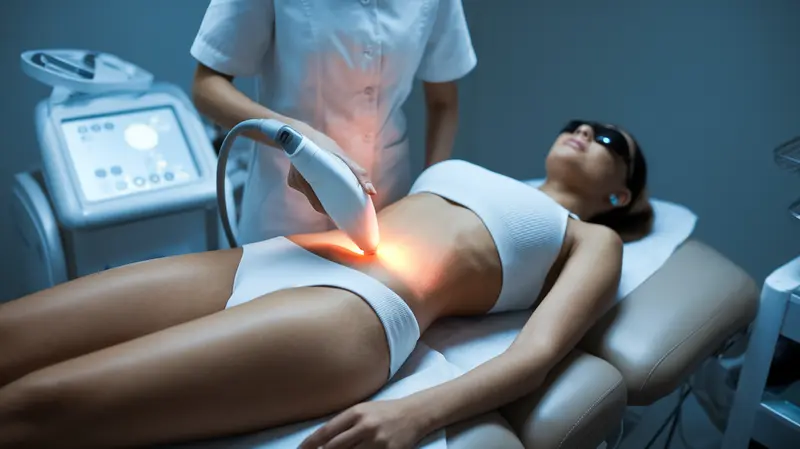
Do You Learn Chemical Peels in Esthetician School?
As an aspiring esthetician, understanding the various treatments available in the beauty industry is essential. One such treatment that stands out for its effectiveness in enhancing skin health is the chemical peel. If you're wondering whether chemical peels are included in your esthetician school curriculum, the answer is generally yes. This article delves into the importance of learning about chemical peels in esthetician training, what such courses typically cover, and the skills you can expect to acquire.
What Are Chemical Peels?
Chemical peels are cosmetic treatments that involve the application of a solution to the skin, promoting the exfoliation of dead skin cells and encouraging the growth of new, healthier skin. They can be used to treat a variety of skin concerns, including acne, pigmentation issues, and signs of aging. Understanding the different types of chemical peels—superficial, medium, and deep—is crucial for any esthetician.
The Importance of Learning About Chemical Peels
In esthetician school, students are trained to provide various skincare treatments. Learning about chemical peels is critical for several reasons:
- Skin Health Expertise: Chemical peels can significantly improve skin texture and appearance. Knowledge of this treatment equips estheticians to offer tailored solutions to clients.
- Market Demand: The demand for chemical peels in the beauty industry is high. Being knowledgeable in this area can enhance your career prospects.
- Understanding Indications and Contraindications: Not all skin types are suitable for chemical peels. Learning how to assess clients' skin types ensures safe and effective treatments.
What Students Learn in Esthetician School
In esthetician school, students typically receive hands-on training and theoretical knowledge about chemical peels. Here’s what you can expect to learn:
1. Types of Chemical Peels
Courses will cover the three main types of chemical peels:
- Superficial Peels: These use mild acids like alpha-hydroxy acid (AHA) to gently exfoliate the outer layer of skin.
- Medium Peels: Utilizing trichloroacetic acid (TCA), these peels penetrate deeper to treat more significant skin issues.
- Deep Peels: These involve a stronger acid solution and require more recovery time, making them suitable for severe skin problems.
2. The Chemical Peel Process
Students will learn the step-by-step process of administering a chemical peel, including:
- Assessing skin type and concerns
- Selecting the appropriate peel for the client's needs
- Preparation of the skin before treatment
- Application techniques
- Post-peel care instructions
3. Safety and Hygiene Practices
Understanding safety protocols is vital when performing chemical peels. Students learn about:
- Using sterile equipment
- Identifying potential allergic reactions
- Managing client expectations and outcomes
- Recognizing signs of complications
4. Client Consultation Skills
Effective communication is key in providing esthetic services. Students learn how to conduct client consultations to understand their skin concerns and expectations, ensuring that the chosen chemical peel is appropriate.
Hands-On Experience
Beyond theoretical understanding, esthetician programs typically emphasize practical application. Students will practice chemical peels on mannequins and eventually on clients under supervision. This hands-on experience is invaluable for building confidence and technique.
Certification and Continuing Education
Upon completing an esthetician program, you will receive a license permitting you to practice in your state. However, due to the evolving nature of the skincare industry, many practitioners choose to pursue additional certifications in advanced chemical peel techniques or specialized areas of esthetics.
Career Opportunities
With knowledge of chemical peels, you can explore various career paths, including:
- Working in day spas or medical spas
- Joining dermatology offices or plastic surgery clinics
- Offering your services as an independent practitioner
- Engaging in product sales and training for skincare brands
Conclusion
Learning about chemical peels is an essential component of esthetician school. Not only does this knowledge enhance your expertise, but it also prepares you for a competitive job market. As you embark on your journey in the field of esthetics, embracing chemical peels as one of your key skills can set you apart and provide clients with invaluable skincare solutions.
"