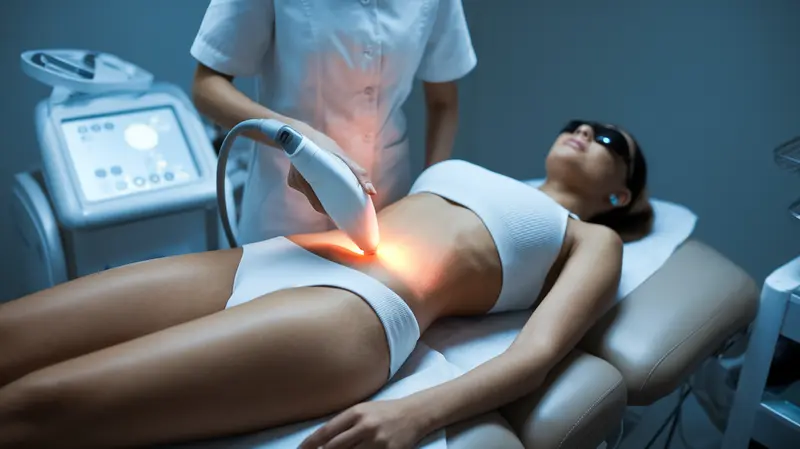
How to Become a Self-Employed Esthetician
Entering the world of esthetics as a self-employed professional offers immense potential for growth and independence. As a self-employed esthetician, you have the freedom to set your own schedule, choose your clients, and create a unique brand that resonates with your vision. In this guide, we’ll explore the essential steps to becoming a successful self-employed esthetician, focusing on education, licensing, business setup, marketing, and client management.
1. Get Educated and Skilled
The first step to becoming a self-employed esthetician is to obtain the necessary education and training. Enroll in a reputable esthetician school that offers courses on skincare, makeup application, hair removal, and various skin treatments. Courses should cover:
- Skin anatomy and physiology
- Facial treatments
- Chemical peels and microdermabrasion
- Laser hair removal
- Makeup techniques
- Sanitation and safety practices
Most programs last between 600 to 1,200 hours, depending on the state regulations. Always research the specific requirements for your state, as they vary widely.
2. Obtain Your License
After completing your education, the next step is to pass your state board exams to become a licensed esthetician. This often includes a practical exam and a written test assessing your knowledge of esthetics principles, safety, and sanitation. Securing a license is vital for legal operation and builds trust with potential clients.
3. Gain Experience
Before starting your own business, gaining experience at a salon or spa can be invaluable. This step allows you to hone your skills, learn the ins and outs of client interactions, and understand the business side of esthetics. Seek employment at a reputable spa or salon, focusing on building your client base and gathering testimonials. Networking during this period can significantly enhance your reputation in the industry.
4. Decide on Your Business Model
Consider whether you want to work from a home-based studio, rent a suite in an established salon, or offer mobile services. Each model has its pros and cons:
- Home-based studio: Lower overhead costs but requires proper licensing and a suitable workspace.
- Salon suite rental: Offers a professional environment and shared resources but comes with higher ongoing costs.
- Mobile services: Flexibility and convenience for clients but requires travel and potential equipment limitations.
Choose the model that aligns best with your goals and financial situation.
5. Set Up Your Business
Once you have chosen a business model, it’s time to set up your business. Key steps include:
- Register Your Business: Choose a catchy name and register it according to state laws.
- Get Insurance: Liability insurance is crucial to protect yourself from potential lawsuits.
- Create a Business Plan: Outline your vision, services, pricing, and marketing strategy.
- Set Up Financials: Open a business bank account and consider consulting a financial advisor for bookkeeping and taxes.
6. Build Your Brand and Market Your Services
Effective marketing is essential for attracting clients. Strategies include:
- Create a Website: Develop a professional website showcasing your services, pricing, and booking options. Include an online portfolio that highlights your best work.
- Utilize Social Media: Platforms like Instagram, Facebook, and TikTok are excellent for showcasing your skills, sharing client testimonials, and offering promotions.
- Network Locally: Participate in community events, collaborate with local businesses, and consider offering workshops or classes.
- Offer Promotions: Launch introductory offers or referral discounts to build your client base quickly.
7. Manage Client Relationships
Building strong relationships with clients is crucial for retention and referrals. Focus on:
- Providing Excellent Customer Service: Always be professional, attentive, and responsive to client needs.
- Follow-up: After treatments, follow up with clients to gather feedback and offer post-care advice.
- Loyalty Programs: Create loyalty programs to reward returning clients and encourage recommendations.
8. Stay Educated and Adaptable
The beauty industry is continually evolving. Stay current with trends, new products, and techniques by attending workshops, trade shows, and online courses. Continuous education will not only enhance your skills but also keep your offerings relevant to clients.
Conclusion
Becoming a self-employed esthetician requires dedication, skill, and savvy business acumen. By following these steps—gaining proper education, obtaining necessary licenses, building your brand, and focusing on client relationships—you can create a successful and fulfilling career in the esthetics industry. The road may be challenging, but the rewards of being your own boss in a thriving field are well worth the effort.