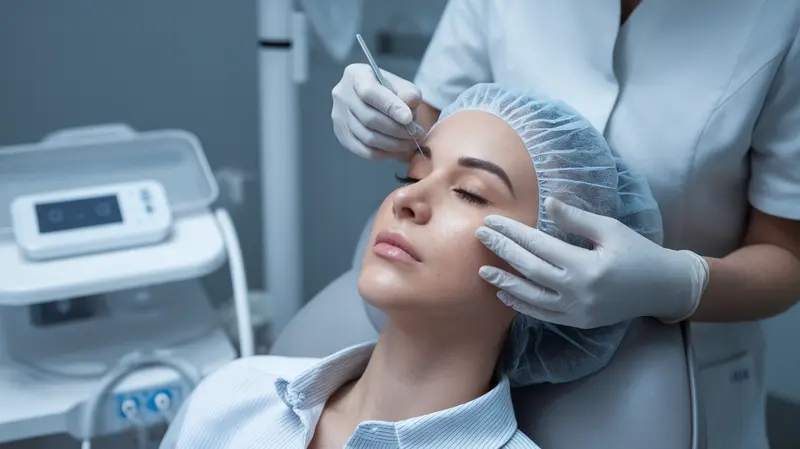
Understanding Botox Training for Medical vs Non-Medical Professionals
Botox has become a popular cosmetic treatment, leading to a growing demand for trained professionals in the field. However, the training required for administering Botox varies significantly between medical and non-medical professionals. This blog will explore the differences in Botox training, ensuring you understand what to expect based on your background.
What is Botox?
Botox, or botulinum toxin, is a neurotoxic protein used primarily for cosmetic purposes, such as reducing wrinkles and fine lines. It is also utilized in various medical treatments, including migraine relief, excessive sweating, and muscle spasms. The increasing popularity of Botox has led to more practitioners offering these services, but the qualifications and training they undergo can differ widely.
Botox Training for Medical Professionals
Medical professionals, such as doctors, nurses, and physician assistants, typically have a more extensive background in anatomy, physiology, and patient care. Their training in Botox administration often includes:
- Comprehensive Medical Education: Medical professionals undergo years of education, including medical school and specialized training. This foundation provides them with a deep understanding of human anatomy and the effects of Botox on the body.
- Advanced Techniques: Training programs for medical professionals often cover advanced injection techniques, including facial mapping and muscle anatomy. This knowledge allows them to achieve more precise and effective results.
- Patient Assessment: Medical professionals are trained to assess patients' medical histories and determine whether they are suitable candidates for Botox. This includes understanding contraindications and potential complications.
- Management of Complications: In the event of adverse reactions or complications, medical professionals are equipped to handle emergencies due to their medical training. They can provide immediate care and make informed decisions.
- Certification and Licensing: Medical professionals must adhere to strict regulatory standards and obtain the necessary certifications to practice. This ensures a level of accountability and safety for patients.
Botox Training for Non-Medical Professionals
Non-medical professionals, such as estheticians and beauty therapists, are increasingly entering the field of cosmetic injectables. Their training in Botox administration typically includes:
- Shorter Training Courses: Non-medical professionals often complete shorter training courses that focus on the basics of Botox administration. These courses may last a few days to a few weeks, depending on the provider.
- Limited Medical Knowledge: While non-medical professionals learn about the injection process, they may not have the same depth of knowledge regarding anatomy and physiology as medical professionals. This can impact their ability to assess patients effectively.
- Basic Injection Techniques: Training for non-medical professionals usually covers fundamental injection techniques, but may lack the advanced skills necessary for more complex cases.
- Less Patient Assessment Training: Non-medical professionals may not receive extensive training on patient assessment, which can lead to potential risks if they are not able to identify contraindications.
- Regulatory Variability: The regulations governing Botox administration by non-medical professionals vary by region. In some areas, they may not be allowed to administer Botox without supervision or collaboration with a medical professional.
Choosing the Right Practitioner
When considering Botox treatment, it is crucial to choose a qualified practitioner. Here are some tips to ensure you receive safe and effective care:
- Verify Credentials: Check the practitioner’s qualifications and experience. Medical professionals should have relevant licenses and certifications, while non-medical practitioners should have completed accredited training programs.
- Ask About Training: Inquire about the specific training the practitioner has undergone. Understanding their background can help you gauge their expertise.
- Read Reviews: Look for patient reviews and testimonials to assess the quality of care provided by the practitioner.
- Consultation: Schedule a consultation to discuss your goals and concerns. A qualified practitioner should be able to answer your questions and provide personalized recommendations.
Conclusion
Understanding the differences in Botox training for medical versus non-medical professionals is essential for anyone considering this popular treatment. Medical professionals bring a wealth of knowledge and experience, while non-medical practitioners may offer a more accessible option. Regardless of the background of the practitioner, always prioritize safety and qualifications to ensure the best possible outcomes for your Botox treatment.