How Many Days a Week Do Estheticians Work?
Estheticians play a vital role in the beauty and wellness industry, providing treatments that enhance a client's skin health and overall appearance. If you're considering a career in esthetics or are simply curious about the profession, you may wonder: how many days a week do estheticians work? This article explores the working hours, schedules, and factors that influence estheticians' workweeks.
Understanding the Esthetics Profession
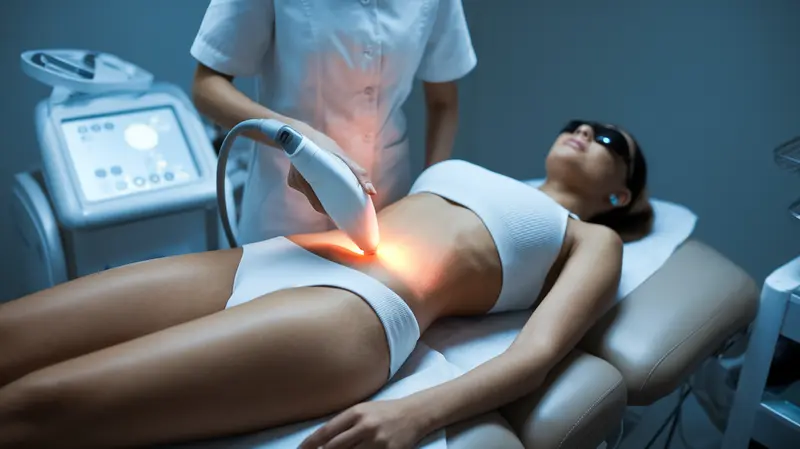
Estheticians are trained professionals specializing in skincare treatments, including facials, hair removal, and makeup application. They typically work in various settings, such as spas, salons, wellness centers, and dermatology clinics. Due to the nature of the job, estheticians often have flexible schedules, which can vary greatly based on their employer, clientele, and desired work-life balance.
Typical Work Schedule for Estheticians
On average, estheticians can expect to work anywhere from three to six days a week. The variance in their schedule is influenced by several factors, including:
- Employment Setting: Estheticians working in a high-demand spa or salon may work more days per week, while those in a less busy environment may work fewer days.
- Client Demand: A robust client base and high demand for services can lead to longer working hours and an increased number of days worked each week.
- Part-Time vs. Full-Time: Many estheticians choose to work part-time, resulting in fewer days on the job. Full-time estheticians typically work between 30 to 40 hours a week, often ranging from five to six days.
- Self-Employment: Estheticians who run their businesses have the flexibility to set their schedules and may prefer to work specific days to accommodate their lifestyle.
Common Work Hours for Estheticians
The work hours for estheticians often extend beyond traditional office hours. Many clients prefer evening or weekend appointments. A typical workday might look like this:
- Weekdays: Estheticians may start their day as early as 9 AM and work until 8 PM, accommodating clients' schedules.
- Weekends: Saturdays and Sundays can be particularly busy, with estheticians often seeing a higher volume of clients during these days.
It’s not uncommon for estheticians to work longer hours on certain days, especially during holidays or peak seasons when demand for beauty services increases.
Benefits of Flexible Scheduling
One of the appealing aspects of being an esthetician is the flexibility in scheduling. Here are some benefits:
- Work-Life Balance: Estheticians can create schedules that align with personal commitments, allowing for a better work-life balance.
- Client Relationships: A flexible schedule enables estheticians to build strong relationships with clients, who appreciate their availability and dedication.
- Opportunity for Additional Income: Estheticians can increase their hours or take on additional clients when needed, providing opportunities for extra income.
Challenges of Esthetics Work Hours
While flexible hours can be a benefit, they also present challenges:
- Irregular Schedule: Estheticians can experience an irregular schedule depending on client demand, leading to unpredictable income.
- Burnout: Working long hours, particularly during busy seasons, can lead to fatigue and burnout if self-care is not prioritized.
- Weekend and Evening Work: Estheticians often work when clients are available, which might mean sacrificing weekends and evenings, commonly seen in many service-oriented jobs.
Conclusion
In conclusion, the number of days a week estheticians work can vary significantly, falling anywhere from three to six days based on factors such as clientele, employment type, and personal preference. The esthetics profession offers flexible scheduling opportunities, allowing estheticians to balance work and personal life while providing vital beauty and skincare services. Understanding these dynamics can help aspiring estheticians or clients appreciate the dedication involved in maintaining skin health and beauty.