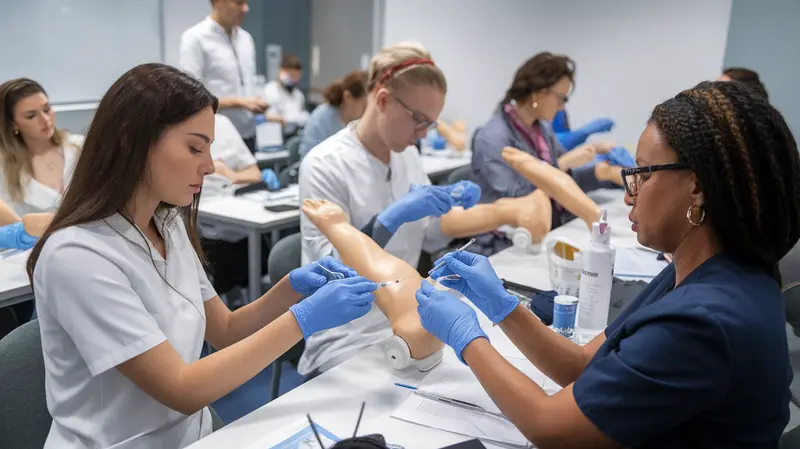
Is Hands-On Training Included in Botox Courses? A Comprehensive Guide
In the rapidly growing field of aesthetic medicine, Botox has emerged as one of the most sought-after treatments. As more practitioners look to expand their skill set, the demand for Botox courses has surged. However, a common question arises: is hands-on training included in Botox courses? In this blog, we will delve into the details of Botox training, the importance of hands-on experience, and what you can expect from various courses.
Understanding Botox Training
Botox training programs are designed to educate medical professionals about the safe and effective use of botulinum toxin type A. These courses typically cover essential topics such as facial anatomy, injection techniques, patient assessment, and potential complications. While theoretical knowledge is crucial, the application of this knowledge in a clinical setting is where hands-on training becomes vital.
The Importance of Hands-On Training
Hands-on training is an integral component of any Botox course. Here’s why:
- Skill Development: Practicing injection techniques on models or simulators allows participants to develop their skills in a controlled environment. This practice is essential for building confidence before treating real patients.
- Real-Time Feedback: Instructors can provide immediate feedback during hands-on sessions, helping participants refine their techniques and address any mistakes.
- Understanding Patient Interaction: Hands-on training often includes role-playing scenarios that help practitioners learn how to communicate effectively with patients, manage expectations, and handle post-treatment care.
- Safety and Efficacy: Learning through practical experience ensures that practitioners understand the importance of safety protocols and how to minimize risks associated with Botox injections.
What to Look for in a Botox Course
When selecting a Botox course, consider the following factors to ensure that hands-on training is included:
- Curriculum Overview: Review the course syllabus to confirm that hands-on training is a key component. Look for details about practical sessions, including the number of models or simulators available for practice.
- Instructor Credentials: Research the qualifications of the instructors. Experienced professionals with a strong background in aesthetic medicine can provide valuable insights during hands-on training.
- Class Size: Smaller class sizes often allow for more individualized attention and increased opportunities for hands-on practice.
- Post-Course Support: Some courses offer follow-up support or mentorship, which can be beneficial as you begin to practice your skills in a clinical setting.
Conclusion
In conclusion, hands-on training is a crucial aspect of Botox courses. It not only enhances the learning experience but also ensures that practitioners are well-prepared to deliver safe and effective treatments. When choosing a Botox training program, prioritize those that emphasize hands-on practice, as this will ultimately contribute to your success in the field of aesthetic medicine. By investing in quality training, you can build a rewarding career and provide exceptional care to your patients.