Understanding the Difference Between an Esthetician and an Aesthetician
When it comes to beauty and skincare, you may have encountered the terms esthetician and aesthetician. While these terms are often used interchangeably, there are distinct differences between the two. Understanding these differences is crucial for anyone looking to pursue a career in skincare or seeking beauty treatments.
What Is an Esthetician?
An esthetician is a licensed professional who specializes in skincare treatments. They are trained to perform various services aimed at improving the condition and appearance of the skin. These services typically include:
- Facials
- Exfoliation
- Hair removal (waxing, threading)
- Makeup application
- Skin analysis
- Body treatments
Estheticians primarily focus on the outer layer of the skin and often work in settings like spas, salons, and dermatology offices. Their training revolves around skin health, product knowledge, and practical applications of skincare techniques.
What Is an Aesthetician?
The term aesthetician, while often used synonymously with esthetician, can imply a broader focus that encompasses not only skin care but also overall aesthetics. Aestheticians may have training in advanced treatments, such as:
- Microneedling
- Chemical peels
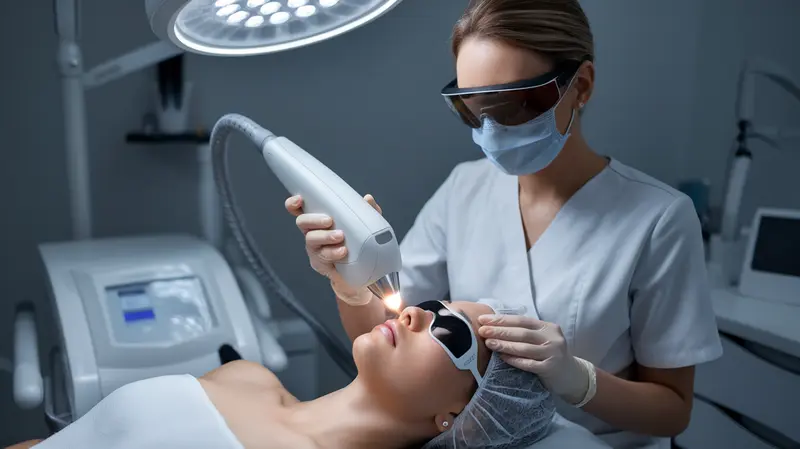
- Laser treatments
- Light therapy
- Advanced makeup techniques
Aestheticians often work in medical settings, such as plastic surgery clinics or dermatology offices, where more invasive or advanced procedures are offered. Their education may include a mix of practical skin care with an emphasis on treating specific skin concerns or conditions.
Key Differences
Education and Certification
One of the main differences between an esthetician and an aesthetician lies in their educational background and certification. Estheticians typically complete a state-approved cosmetology or esthetics program, which usually requires 300-1500 hours of training, depending on the state. After completing their training, they must pass a licensing exam to practice.
Aestheticians may have a similar background, but some may choose to pursue additional certifications or training in specialized areas like laser technology or medical-grade skin care. Their expertise often allows them to perform more advanced procedures.
Scope of Practice
Estheticians generally work with non-invasive beauty treatments focused on improving skin appearance. Their services primarily address cosmetic concerns and general skin care, making them the go-to professionals for routine skincare and relaxation treatments.
Aestheticians, in contrast, may handle more clinical or therapeutic treatments, often addressing specific skin conditions such as acne, aging skin, or pigmentation issues. They may work closely with medical professionals to provide comprehensive care, which is essential for clients seeking both beauty and health improvements.
Work Environment
The work environment for estheticians often revolves around salons, day spas, and wellness centers. Their services are generally aimed at relaxation and cosmetic enhancement. Aestheticians, however, often find employment in more clinical settings, such as dermatology offices or medical spas, where they collaborate with doctors or medical staff.
Is There Overlap?
While the two professions have distinct roles, there is considerable overlap between estheticians and aestheticians. Both professionals are dedicated to enhancing the skin's health and appearance, and both must stay updated with current trends, techniques, and products in the beauty industry.
Choosing the Right Professional
When seeking skincare services, it's vital to choose the right professional based on your needs. If you're looking for basic skincare treatments like facials, waxing, or makeup application, an esthetician will likely be your best choice. On the other hand, if you have specific skin concerns that may require advanced treatments, such as chemical peels or laser therapy, consulting an aesthetician may be more appropriate.
Conclusion
In summary, while esthetician and aesthetician are terms that are often used interchangeably, they refer to different scopes of practice and expertise in the beauty industry. Understanding these distinctions can help you make informed decisions whether you're looking to pursue a career in skincare or seeking the right professional for your beauty needs. Always verify the credentials and licenses of your beauty professional to ensure you receive safe and effective treatments.
"