Understanding Botox Training Courses: What Topics Are Covered?
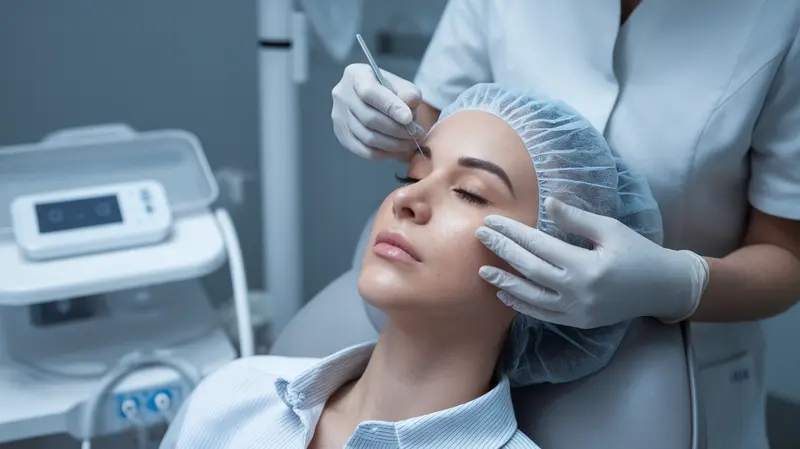
Botox training courses are essential for medical professionals looking to expand their skills in cosmetic procedures. These courses provide comprehensive education on the administration of Botox, ensuring that practitioners are well-equipped to deliver safe and effective treatments. Here, we explore the key topics typically covered in a Botox training course.
1. Introduction to Botox
Participants will learn about the history and development of Botox, including its medical and cosmetic uses. Understanding the origins and evolution of Botox sets the foundation for its application in aesthetic practices.
2. Anatomy of the Face
A thorough understanding of facial anatomy is crucial for successful Botox administration. Courses cover the muscles of facial expression, nerve pathways, and skin layers, helping practitioners identify the correct injection sites for optimal results.
3. Indications for Botox Treatment
This section focuses on the various cosmetic concerns that Botox can address, such as forehead lines, crow's feet, and frown lines. Participants learn to assess patient needs and determine appropriate treatment plans based on individual anatomy and desired outcomes.
4. Injection Techniques
Hands-on training is a vital component of Botox courses. Participants practice various injection techniques, including dosage, depth, and angle of injection. Mastery of these techniques is essential for minimizing side effects and achieving natural-looking results.
5. Safety and Contraindications
Safety is paramount in any medical procedure. Courses cover potential side effects, contraindications, and complications associated with Botox treatments. Practitioners learn how to screen patients effectively and manage any adverse reactions that may arise.
6. Patient Consultation and Aftercare
Effective communication with patients is key to a successful practice. Training includes how to conduct thorough consultations, set realistic expectations, and provide aftercare instructions. This ensures that patients feel informed and cared for throughout their treatment journey.
7. Legal and Ethical Considerations
Understanding the legal framework surrounding Botox administration is critical. Courses address licensing requirements, informed consent, and ethical considerations, ensuring that practitioners adhere to industry standards and regulations.
8. Business and Marketing Strategies
For practitioners looking to establish or expand their aesthetic practice, courses often include modules on business development and marketing strategies. This includes how to attract clients, manage appointments, and promote services effectively.
9. Advanced Techniques and Trends
As the field of aesthetic medicine evolves, staying updated on the latest techniques and trends is essential. Advanced training may cover topics such as combination treatments, facial fillers, and the use of Botox for non-cosmetic indications.
Conclusion
Completing a Botox training course equips medical professionals with the knowledge and skills necessary to perform Botox treatments safely and effectively. By covering essential topics such as facial anatomy, injection techniques, and patient care, these courses prepare practitioners to meet the growing demand for aesthetic procedures. Whether you are a nurse, physician, or aesthetic professional, investing in Botox training can enhance your practice and provide patients with the results they desire.