Cosmetology vs. Esthetician: Which is Easier?
When it comes to deciding between a cosmetology and esthetician career, many individuals ponder the question: which is easier? Both fields offer rewarding opportunities in the beauty industry, but they vary significantly in terms of training requirements, skill sets, and career paths. This article will dive deep into the differences and similarities between cosmetology and esthetician programs, helping you to decide which path may be easier for you based on your interests and capabilities.
Understanding Cosmetology
Cosmetology is a comprehensive discipline that encompasses a wide range of beauty treatments and services. A cosmetologist is trained in hair styling, cutting, coloring, makeup application, nail care, and even skincare. They often hold a cosmetology license, which is obtained after completing a state-approved training program and passing a licensing exam.
Training programs for cosmetologists can last anywhere from 9 months to 2 years, depending on the state and institution. Students gain hands-on experience while learning theory behind hair, skin, and nails, which includes anatomy, chemistry, and sanitation. The broad scope of cosmetology means that professionals have a diverse skill set, allowing them to cater to a wide array of client needs.
Exploring Esthetician Services
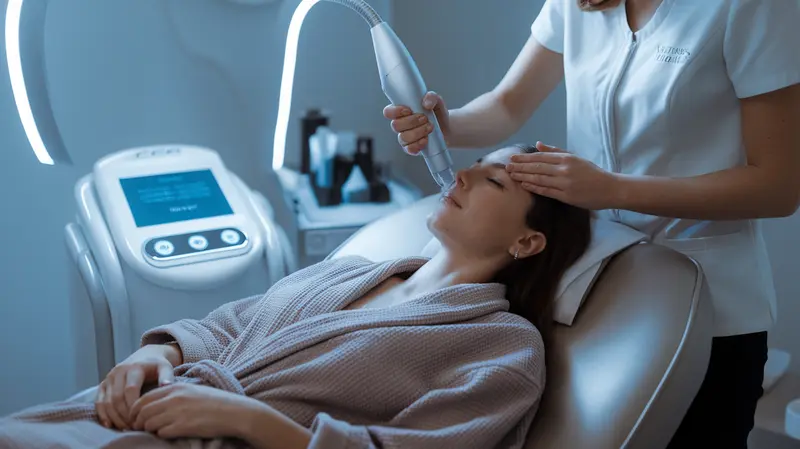
In contrast, estheticians focus primarily on skin care and offer specialized services that enhance the appearance and health of the skin. These professionals are trained to perform facials, chemical peels, microdermabrasion, and other skin treatments. An esthetician’s education typically ranges from 600 to 1,500 hours of training, which is substantially less than what is required for cosmetology, particularly when a comprehensive understanding of multiple beauty disciplines is taken into account.
Estheticians also study skin anatomy, product ingredients, and various dermatological issues. Many estheticians stay up to date on trends and advancements in skincare technology, often taking additional courses to prepare for specialized treatments.
Skills Requirements: Cosmetology vs. Esthetics
Both cosmetologists and estheticians are required to have a good sense of aesthetics, creativity, and customer service skills. However, the skill sets do diverge in certain aspects.
Cosmetology Skills:
- Hair cutting, coloring, and styling
- Nail art and manicure/pedicure techniques
- Makeup application and skin care
- Knowledge of different hair types and textures
- Client consultation and communication skills
Esthetician Skills:
- In-depth knowledge of skin types and conditions
- Facial massage techniques and product application
- Performing skin treatments such as peels and masks
- Understanding of cosmetic ingredients and their effects
- Ability to provide personalized skincare advice
Education and Licensing Requirements
Education and licensing are critical factors that may determine which path is easier for you. As previously mentioned, cosmetology programs require more training hours and a broader range of skills. If you’re particularly passionate about hair and nails in addition to skin care, the extensive training might be worth it.
Esthetician programs, while shorter, require a significant understanding of skin care and related techniques. For those whose primary interest lies in skincare and esthetic treatments, this streamlined program may present a more focused and, therefore, easier route.
Career Opportunities and Job Market
The career outlook varies between these professions, which can impact how “easy” they may seem in practice. Cosmetologists have more versatile job opportunities in various settings, including salons, spas, and freelance work. This versatility can make it easier to find employment and build a client base.
Estheticians, while they may have a more specialized focus, can also find rewarding career paths in day spas, medical spas, and even dermatology offices. The demand for skincare specialists continues to grow, especially as people emphasize self-care and skin health.
Which is Easier: Cosmetology or Esthetician?
Deciding between cosmetology and esthetician training ultimately comes down to personal preference and career goals. If you’re interested in a broad range of beauty services, including hair and nails, cosmetology may be the easier choice for you due to the variety of services you can offer. However, if you are passionate about skincare specifically and want to specialize, becoming an esthetician may feel less overwhelming with its focused curriculum.
Additionally, consider the learning environment you thrive in. Cosmetology often requires mastering multiple skills and techniques, while esthetician training may be more straightforward and concentrated. Evaluate your interests, strengths, and career aspirations to determine which path may be easier and more enjoyable for you in the long run.
Conclusion
Ultimately, whether cosmetology or esthetician training is easier relies heavily on your interests, skills, and the career trajectory you wish to pursue. Both professions offer fulfilling opportunities in the beauty industry, so choose the path that resonates with your passion and goals. With the right training and dedication, both cosmetologists and estheticians can achieve successful careers and make a positive impact in their clients' lives.