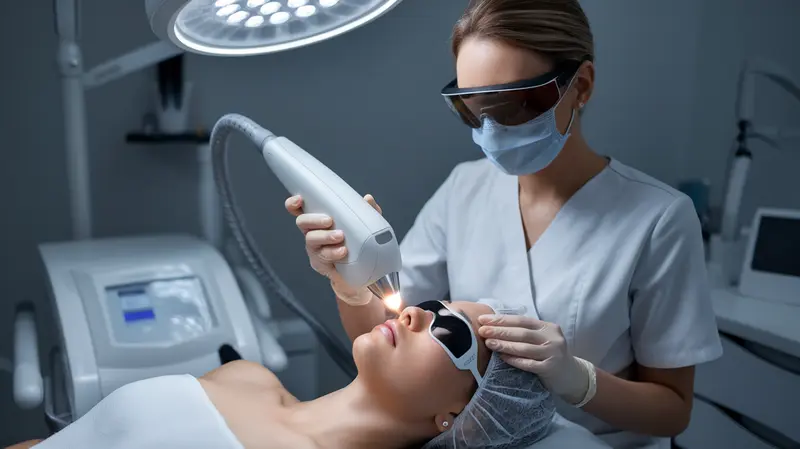
How to Handle Adverse Reactions to Botox: A Comprehensive Guide
Introduction
Botox has become a popular cosmetic treatment for reducing wrinkles and fine lines. While many people enjoy the benefits of Botox, it's essential to be aware of potential adverse reactions. Understanding how to handle these reactions can ensure a safe and satisfying experience. In this blog, we will explore common adverse reactions to Botox, how to identify them, and effective strategies for managing them.
What is Botox?
Botox, or botulinum toxin type A, is a neurotoxic protein used in various medical and cosmetic procedures. It works by temporarily paralyzing muscles, which helps smooth out wrinkles and fine lines. Although Botox is generally considered safe when administered by a qualified professional, some individuals may experience adverse reactions.
Common Adverse Reactions to Botox
-
Bruising and Swelling
One of the most common side effects after Botox injections is bruising and swelling at the injection site. This usually resolves within a few days.
-
Headaches
Some individuals may experience headaches after receiving Botox, typically occurring within the first few days post-treatment.
-
Drooping Eyelids or Eyebrows
If Botox spreads to unintended areas, it can cause temporary drooping of the eyelids or eyebrows, leading to an asymmetrical appearance.
-
Nausea
A small percentage of patients report feeling nauseous after their treatment, which can be managed with rest and hydration.
-
Allergic Reactions
Although rare, some individuals may experience allergic reactions to Botox, including itching, rash, or difficulty breathing.
Identifying Adverse Reactions
Recognizing the signs of adverse reactions is crucial for timely intervention. Keep an eye out for the following symptoms:
- Redness or swelling at the injection site
- Persistent headaches that do not improve
- Changes in facial symmetry
- Skin rashes or hives
- Difficulty swallowing or breathing
If you experience any of these symptoms, it’s essential to contact your healthcare provider immediately.
How to Handle Adverse Reactions to Botox
-
Stay Calm
Most adverse reactions are mild and temporary. Staying calm can help you manage your symptoms more effectively.
-
Apply Cold Compresses
If you experience bruising or swelling, applying a cold compress to the affected area can help reduce inflammation and discomfort.
-
Over-the-Counter Pain Relief
For headaches or mild pain, over-the-counter pain relievers like acetaminophen can be effective. Avoid blood thinners like aspirin or ibuprofen, as they may worsen bruising.
-
Follow Aftercare Instructions
Your healthcare provider will give you specific aftercare instructions. Following these guidelines can help minimize the risk of complications.
-
Seek Medical Attention
If you experience severe symptoms such as difficulty breathing, swelling of the face or throat, or persistent headaches, seek medical attention immediately.
Prevention Tips
To minimize the risk of adverse reactions, consider the following tips:
- Choose a qualified and experienced injector. Research their credentials and read reviews.
- Discuss your medical history and any allergies with your provider before treatment.
- Avoid alcohol and blood-thinning medications for at least 24 hours before your appointment.
- Follow all pre- and post-treatment instructions provided by your healthcare provider.
Conclusion
While Botox is a widely used and generally safe cosmetic treatment, understanding how to handle adverse reactions is crucial for a positive experience. By recognizing the signs of complications and knowing how to respond, you can ensure your Botox journey is as smooth and enjoyable as possible. Always consult with a qualified professional to address any concerns and make informed decisions about your treatment.