Do Botox courses cover the latest industry trends?
Quality programs update curriculum to reflect current techniques, products, safety protocols, and industry developments.
Articles, Training Resources & Industry Insights for Medical Professionals
Quality programs update curriculum to reflect current techniques, products, safety protocols, and industry developments.
Refund policies vary by training provider. Review terms before enrolling to understand cancellation deadlines and refund conditions.
No, aestheticians cannot perform Botox. Medical licensure is required to administer neuromodulators in all U.S. jurisdictions.
No age limits exist for aesthetician school. Adult learners of all ages successfully complete programs and launch skincare careers.
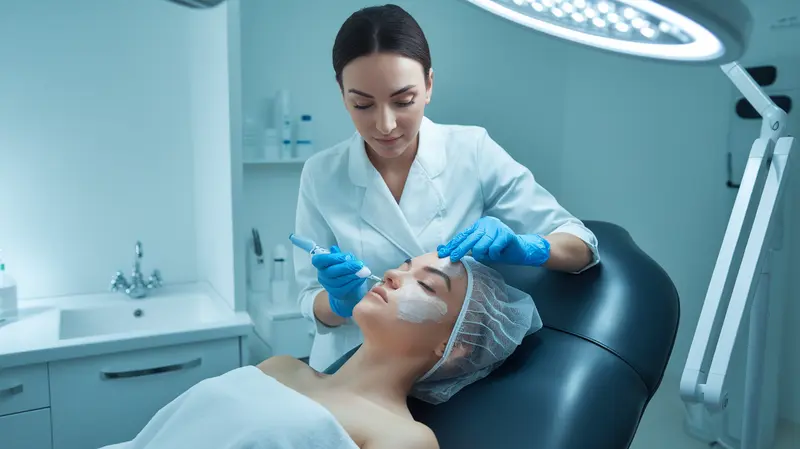
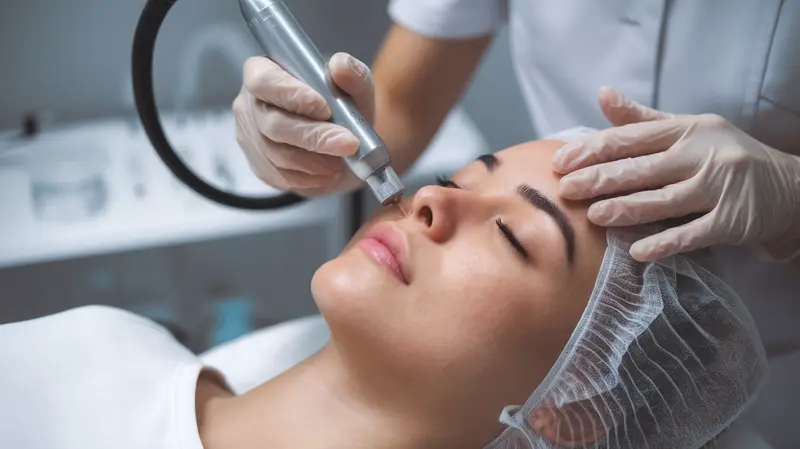
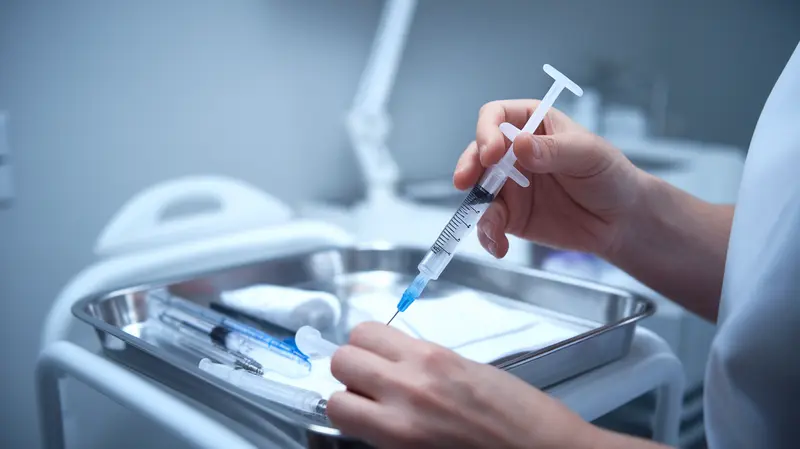
Botox, fillers, and injectable treatments generate highest revenue in beauty. These require medical credentials beyond aesthetician licensing.
Consider joining AAAM, ASAPS, AAFPRS, or specialty nursing organizations for resources, networking, and continuing education opportunities.
Yes, aestheticians do not need medical degrees. Aesthetician programs require high school diploma and completion of state-approved training.
Hands-on experience varies from 4-16+ hours depending on program. Comprehensive courses provide extensive supervised injection practice.
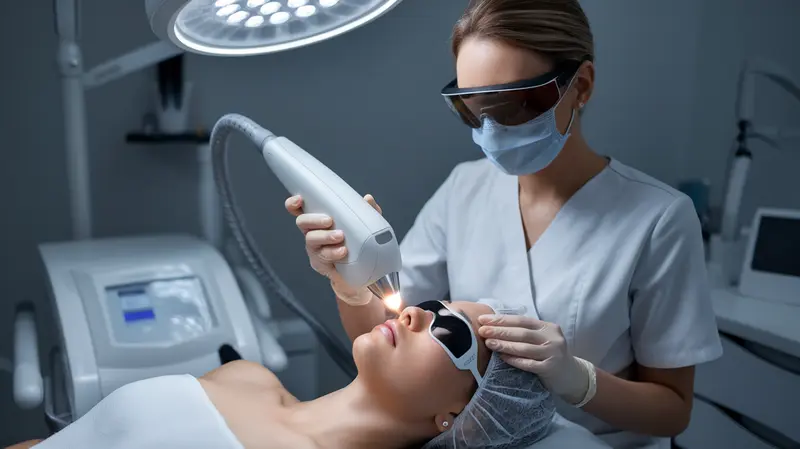
No, Botox training requirements differ by jurisdiction. Regulations, scope of practice, and certification standards vary internationally.
Medical aesthetics, plastic surgery, and dermatology generate highest revenue. Among non-medical fields, specialized skincare services earn most.

Spa-based Botox requires medical oversight in most states. Regulations vary regarding supervision requirements and permitted settings.
Many courses provide guidance on liability insurance requirements, coverage types, and risk management practices for aesthetic procedures.
Aesthetic.Education | The Next Step in Medical Learning

AE Medical promotes training for Physicians, Nurses, Dentists and other certified healthcare professionals. Aesthetic Education is a powerful resource to improve your practice and generate revenue.
Get updates on new courses, special offers, and industry news
Patient-friendly references our students use to explain procedures and career paths.