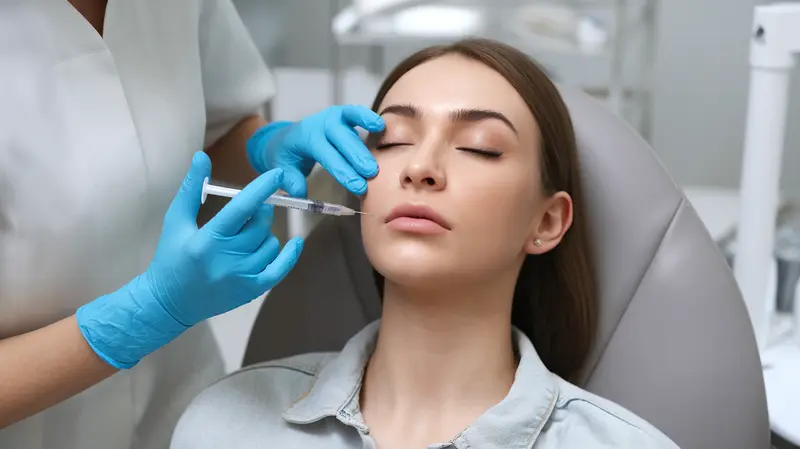
Who is Eligible for Botox Training? A Comprehensive Guide
In recent years, Botox has become one of the most sought-after cosmetic treatments, leading to a surge in demand for trained professionals. If you’re considering entering this lucrative field, understanding who is eligible for Botox training is crucial. This blog will outline the qualifications, prerequisites, and considerations for those interested in becoming certified in Botox administration.
Understanding Botox Training
Botox, or botulinum toxin, is a neurotoxic protein used to reduce the appearance of wrinkles and fine lines. Administering Botox requires a thorough understanding of facial anatomy, injection techniques, and potential side effects. Therefore, proper training is essential for anyone looking to offer this service safely and effectively.
Who Can Enroll in Botox Training?
- Medical Professionals
- Physicians: Medical doctors, including dermatologists and plastic surgeons, are the primary candidates for Botox training. Their extensive medical knowledge and experience with injections make them ideal practitioners.
- Nurse Practitioners (NPs): NPs with a background in aesthetics or a focus on dermatology can also pursue Botox training. Their advanced training allows them to assess patient needs and administer treatments safely.
- Physician Assistants (PAs): Similar to NPs, PAs with relevant clinical experience can enroll in Botox training programs. They often work alongside physicians and are trained to perform various procedures, including cosmetic injections.
- Registered Nurses (RNs): In some states, RNs can take Botox training courses, especially if they work under the supervision of a licensed physician. Their nursing background equips them with the skills needed for patient care.
- Aesthetic Professionals
- Estheticians: In certain regions, licensed estheticians may be eligible for Botox training, particularly if they work in a medical spa or under a licensed medical professional. However, regulations vary by state, so it's essential to check local laws.
- Cosmetic Surgeons: Surgeons specializing in cosmetic procedures are naturally inclined to include Botox in their repertoire. Training allows them to offer a more comprehensive service to their patients.
- Other Healthcare Providers
- Dentists: Many dentists have started incorporating Botox into their practices for therapeutic and cosmetic purposes. Training in Botox can expand their service offerings and enhance patient satisfaction.
- Chiropractors: Some chiropractors are eligible for Botox training, especially those focusing on pain management or facial aesthetics.
Prerequisites for Botox Training
Before enrolling in a Botox training program, candidates should consider the following prerequisites:
- Licensure: Candidates must hold a valid medical license or relevant certification in their field. This ensures they have the foundational knowledge required for safe practice.
- Clinical Experience: While not always mandatory, having clinical experience in a medical or aesthetic setting can significantly enhance the learning process and application of skills.
- Continuing Education: Some training programs may require previous continuing education courses in aesthetics or injectables, ensuring candidates are well-prepared for advanced training.
Choosing the Right Botox Training Program
When selecting a Botox training program, consider the following factors:
- Accreditation: Ensure the program is accredited and recognized by relevant medical boards or associations.
- Curriculum: Look for a comprehensive curriculum that covers anatomy, injection techniques, patient assessment, and post-treatment care.
- Hands-On Training: Choose programs that offer hands-on training with real patients under the supervision of experienced instructors.
- Support and Resources: Opt for programs that provide ongoing support, resources, and networking opportunities after training.
Conclusion
Botox training can be a rewarding career move for eligible medical and aesthetic professionals. By understanding the qualifications and prerequisites, you can take the first step toward offering this popular treatment. Ensure you choose a reputable training program to equip yourself with the necessary skills and knowledge to succeed in the field of cosmetic injectables. With the right training, you can enhance your practice and meet the growing demand for Botox treatments.