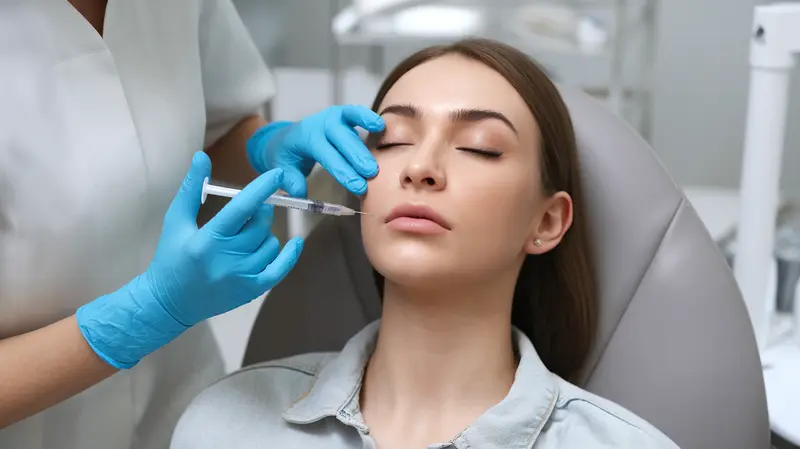
Can You Do Dermal Fillers Without Being a Nurse?
Dermal fillers have become increasingly popular for non-surgical aesthetic enhancements. However, a common question that arises is: Can you perform dermal fillers without being a nurse? This article dives into the qualifications needed to administer dermal fillers, the risks involved, and the best practices to follow if you're considering this field.
Understanding Dermal Fillers
Dermal fillers are injectable substances used to restore volume, smooth out wrinkles, and enhance facial contours. Common types of dermal fillers include hyaluronic acid, calcium hydroxylapatite, and poly-L-lactic acid. While they offer significant aesthetic benefits, administering them requires knowledge and skill.
Who Can Administer Dermal Fillers?
The legality of administering dermal fillers varies by state and country. In many regions, medical professionals such as nurses, physicians, and physician assistants typically have the legal rights to perform cosmetic injections. This is largely due to the need for medical knowledge regarding facial anatomy, potential complications, and patient safety protocols.
Regulations and Training
In the U.S., regulations about who can perform cosmetic injections are managed at the state level. Some jurisdictions may allow non-nurses, such as estheticians, to offer dermal filler services under certain conditions. However, this often comes with restrictions and typically requires additional training or certification from recognized organizations.
The Risks of Administration Without Proper Training
Performing dermal filler injections without proper medical training poses several risks, including:
- Infection: Administering fillers without sterile techniques can lead to infections.
- Vascular Occlusion: Injecting into a blood vessel can cause severe complications, including skin necrosis.
- Allergic Reactions: Lack of knowledge regarding patient history may lead to unexpected adverse reactions.
- Poor Aesthetic Outcomes: Inexperienced injector may create uneven or unnatural results.
Alternatives to Nursing Qualifications
If you're not a nurse but interested in performing cosmetic procedures, consider the following alternatives:
Certification Programs
Various institutions offer certification programs for injectables, including dermal fillers. Look for accredited training that includes hands-on practice under medical supervision.
Working Under a Professional
Some states permit non-nurses to administer dermal fillers under the supervision of a licensed healthcare provider. This could be an excellent way to gain experience while still learning from qualified individuals.
Continued Education and Training
Ongoing education is crucial in the ever-evolving field of cosmetic procedures. Staying updated with new techniques, products, and safety protocols can greatly enhance your competency and reputation.
Building a Career in Aesthetics
If you aspire to work in aesthetics but lack a nursing background, focus on building a career path that suits your qualifications:
- Esthetician Training: Pursue relevant training and certification to become a licensed esthetician.
- Patient Safety First: Prioritize patient consultation and safety. Understand contraindications, allergies, and patient anatomy.
- Networking: Join professional organizations and attend conferences to network with established professionals in the field.
Conclusion
While you can potentially offer dermal filler services without being a nurse, the complexities and risks associated with such procedures often necessitate formal medical training. Whether you're already in the aesthetics industry or just starting, understanding regulations, seeking proper training, and focusing on patient safety are essential. Building a legitimate practice grounded in knowledge will ensure better outcomes for both you and your clients.
FAQs
1. Can estheticians perform dermal fillers?
In some states, estheticians can administer dermal fillers under the supervision of a licensed medical professional. Always check your local regulations.
2. What is the most important thing to consider before administering fillers?
Understanding facial anatomy and the potential risks associated with fillers is crucial. Proper training is essential to minimize complications.
3. Are there certifications available for non-nurses?
Yes, various institutions offer specialized training and certification programs for non-nursers interested in performing cosmetic injections.