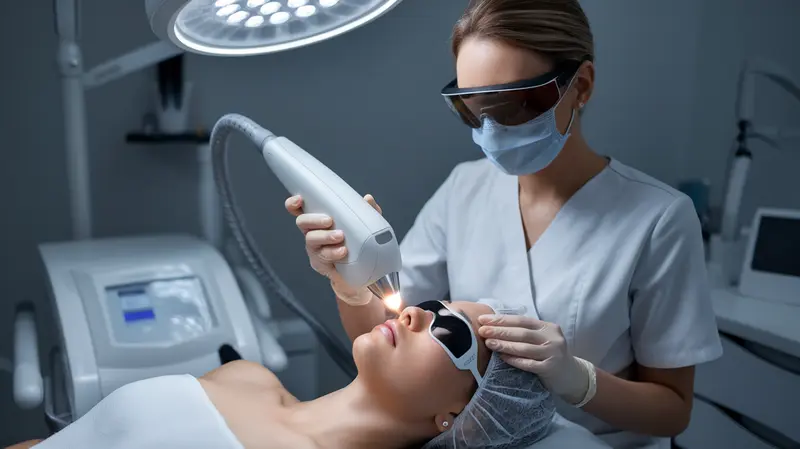
Botox Courses and Patient Consultation Skills: What You Need to Know
In the ever-evolving world of aesthetic medicine, Botox has emerged as one of the most sought-after treatments for reducing wrinkles and fine lines. As the demand for Botox injections continues to rise, so does the need for qualified practitioners. One crucial aspect of becoming a successful Botox provider is mastering patient consultation skills. This blog explores whether Botox courses cover these essential skills and why they are vital for practitioners.
Understanding Botox Courses
Botox courses are designed to equip medical professionals with the knowledge and skills necessary to administer Botox safely and effectively. These courses often include theoretical knowledge about facial anatomy, the mechanism of action of Botox, dosage calculations, and hands-on training for injection techniques. However, a comprehensive Botox course should also emphasize the importance of patient consultation.
The Importance of Patient Consultation Skills
Patient consultation is a critical component of any aesthetic practice. It involves assessing the patient's needs, understanding their expectations, and providing them with the necessary information about the procedure. Strong consultation skills can lead to better patient satisfaction, improved outcomes, and a more successful practice. Here are some key reasons why consultation skills are essential:
- Building Trust: Establishing a rapport with patients is crucial in the aesthetic field. Patients need to feel comfortable discussing their concerns and desires. Effective communication helps build trust and encourages patients to be open about their expectations.
- Setting Realistic Expectations: One of the most significant challenges in aesthetic treatments is managing patient expectations. A skilled practitioner can guide patients in understanding what results are achievable, reducing the risk of dissatisfaction post-treatment.
- Ensuring Safety: Patient consultation is not just about aesthetics; it also involves assessing the patient's medical history and potential contraindications for Botox. A thorough consultation can help identify any risks and ensure a safe treatment plan.
- Personalizing Treatments: Every patient is unique, and a one-size-fits-all approach does not work in aesthetic medicine. Consultation skills allow practitioners to tailor treatments to individual needs, enhancing the overall patient experience.
What to Look for in a Botox Course
When considering a Botox course, it is essential to evaluate the curriculum carefully. Here are some elements to look for:
- Comprehensive Curriculum: Ensure that the course covers not only injection techniques but also patient assessment, communication strategies, and managing patient expectations.
- Hands-On Training: Practical experience is vital. Look for courses that offer hands-on training with real patients under the supervision of experienced instructors.
- Expert Instructors: The quality of the instructors can significantly impact your learning experience. Choose courses led by professionals with extensive experience in both Botox administration and patient consultation.
- Ongoing Support: The learning process should not end with the course. Look for programs that provide ongoing support and resources to help you refine your consultation skills after completing the training.
Conclusion
In conclusion, while many Botox courses focus primarily on injection techniques, it is essential to choose a program that also emphasizes patient consultation skills. Mastering these skills will not only enhance your practice but also ensure that your patients receive the best possible care. As the demand for Botox continues to grow, investing in comprehensive training that includes consultation techniques will set you apart in the competitive aesthetic market. By prioritizing patient communication and understanding, you can build a successful and rewarding practice in aesthetic medicine.