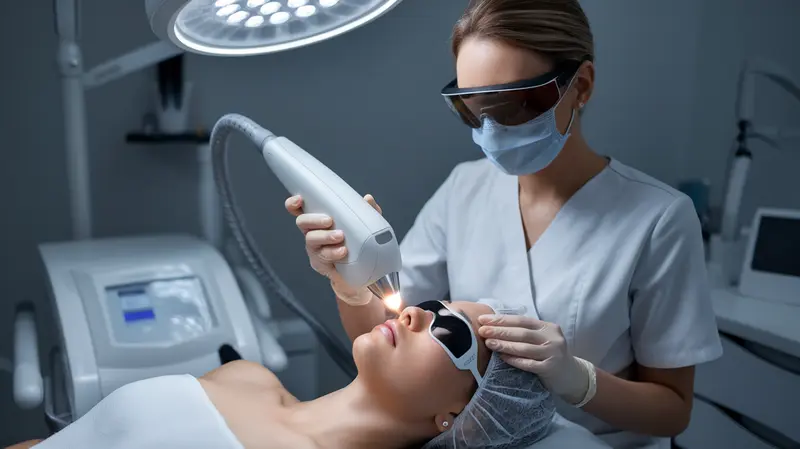
Hands-On vs. Online Botox Training: Which Is Right for You?
If you are a healthcare professional considering Botox training, one of the first decisions you will face is choosing between an online course, an in-person hands-on program, or a hybrid of both. With the aesthetic injectable market growing at over 10% annually, there is no shortage of training options — but the format you choose will have a direct impact on your competence, confidence, career opportunities, and patient safety.
This guide provides an honest, detailed comparison of online Botox training versus hands-on Botox training to help you make the right decision for your career. We will cover what each format includes, the pros and cons, cost differences, what employers expect, and why the best programs combine elements of both approaches.
What Is Online Botox Training?
Online Botox courses deliver educational content through digital platforms, typically including pre-recorded video lectures, interactive modules, quizzes, downloadable resources, and sometimes live virtual sessions. These courses focus on the theoretical foundations of injectable aesthetics.
What Online Courses Typically Cover
- Facial anatomy: Muscles of facial expression, vascular anatomy, nerve pathways, and danger zones — presented through diagrams, 3D models, and video demonstrations
- Botulinum toxin pharmacology: Mechanism of action, differences between products (Botox, Dysport, Xeomin, Jeuveau, Daxxify), reconstitution, storage, and dosing
- Injection theory: Injection sites, depths, angles, and unit dosing by treatment area — demonstrated on video but not practiced on patients
- Patient assessment: Consultation techniques, contraindications, informed consent, and treatment planning principles
- Complication awareness: Recognizing and understanding adverse events, though without clinical practice in managing them
- Business basics: Some courses include modules on starting an aesthetic practice, marketing, and pricing
What Online Courses Cannot Provide
No matter how well-produced the videos or how detailed the diagrams, online courses have fundamental limitations:
- No live patient experience: You cannot practice injections on real patients through a screen. Mannequins and simulation videos are poor substitutes for the variability of real human anatomy.
- No tactile feedback: Injection technique depends heavily on feeling the needle pass through tissue layers, sensing resistance, and understanding depth — skills that can only be developed through physical practice.
- No real-time instructor correction: An expert watching you inject can spot and correct subtle technique errors instantly. Online courses cannot provide this critical feedback loop.
- No exposure to patient variation: Every patient presents differently — unique anatomy, skin thickness, asymmetry, and treatment goals. Only treating real patients builds the adaptability that safe practice requires.
- No complication management practice: Understanding complications in theory is very different from recognizing and treating them in a clinical setting.
What Is Hands-On Botox Training?
Hands-on Botox training takes place in a clinical setting where students learn by performing actual injections on live patient models under the direct supervision of experienced instructors. This format combines classroom instruction with immediate clinical application.
What Hands-On Training Includes
- Live patient injections: You perform real Botox injections on volunteer patient models, treating multiple areas under expert supervision
- Direct instructor feedback: Experienced physician instructors observe your technique, correct your hand positioning, adjust your needle angle, and refine your approach in real time
- Anatomical landmarks on real patients: Learn to identify injection sites, muscle borders, and danger zones on actual faces rather than diagrams
- Patient interaction practice: Conduct consultations, discuss treatment goals, obtain consent, and manage patient expectations with real people
- Complication recognition: See how different patients respond to treatment and learn to identify early signs of adverse events
- Product handling: Practice reconstituting Botox, drawing up precise doses, and handling syringes and needles in a clinical environment
Why Class Size Matters
Not all hands-on programs are equal. The student-to-instructor ratio is one of the most important factors determining the quality of your training experience. Programs that pack 20 or more students into a single session may technically offer "hands-on" training, but each student gets minimal injection time and limited individual feedback.
Programs with small class sizes of 6 or fewer students deliver a fundamentally different experience:
- More injection opportunities per student
- Personalized technique correction from the instructor
- Ability to observe and learn from each classmate's injections at close range
- More time for questions and discussion
- A less intimidating learning environment that encourages hands-on participation
Side-by-Side Comparison: Online vs. Hands-On Botox Training
| Factor | Online Only | Hands-On (In-Person) | Hybrid (Online + Hands-On) |
|---|---|---|---|
| Cost | $500 - $1,500 | $1,500 - $5,000 | $2,000 - $4,500 |
| Duration | 4 - 10 hours (self-paced) | 1 - 3 days | 4-8 hrs online + 1-2 days in-person |
| Live Patient Practice | None | Yes — core component | Yes — during in-person portion |
| Instructor Feedback | None or limited (Q&A forums) | Real-time, hands-on correction | Real-time during clinical portion |
| Flexibility | High — learn anytime, anywhere | Low — fixed dates and locations | Moderate — theory is flexible, clinical is fixed |
| Travel Required | None | Yes — to training location | Yes — for clinical days only |
| CME Credits | Sometimes | Usually included | Usually included |
| Employer Recognition | Low — often insufficient | High — preferred by employers | High — equivalent to full hands-on |
| Readiness to Treat Patients | Not ready — theory only | Ready to begin with supervision | Ready to begin with supervision |
| Patient Safety Preparation | Theoretical understanding only | Practical safety skills developed | Practical safety skills developed |
The Case for Online Botox Training
While online-only certification has significant limitations, online learning does have genuine advantages when used as part of a broader training strategy.
Pros of Online Training
- Convenience and flexibility: Learn at your own pace, on your own schedule, from anywhere with an internet connection. Ideal for working professionals who cannot take time off for multi-day in-person programs.
- Lower upfront cost: Online courses cost significantly less than in-person programs, making them accessible for professionals testing interest in aesthetics before committing to a larger investment.
- Repeatable content: You can rewatch lectures, pause to take notes, and revisit complex topics as many times as needed. In-person instruction happens once and moves at the group's pace.
- Foundational preparation: Completing anatomy and pharmacology modules online before attending hands-on training means you arrive better prepared and can focus your in-person time entirely on developing injection skills.
- No travel costs: Eliminates the expense of flights, hotels, and meals associated with attending training in another city.
Cons of Online Training
- No clinical competency: You will not be able to safely or confidently inject patients based on online training alone. The gap between watching an injection and performing one is enormous.
- Limited employer value: Most medical spas and aesthetic practices will not hire an injector whose only training is an online certificate.
- No accreditation guarantee: Many online courses are not accredited by recognized medical education bodies. Some are produced by marketers rather than clinical educators.
- False confidence risk: Completing an online course can create the illusion of readiness without the actual skills to back it up. This is a patient safety concern.
- No networking: In-person training creates connections with instructors and fellow students who become professional contacts, referral sources, and mentors.
The Case for Hands-On Botox Training
For professionals who are serious about building a career in aesthetic injectables, hands-on training is the gold standard and the format most strongly recommended by medical professional organizations.
Pros of Hands-On Training
- Clinical competency: You graduate having already injected real patients. This experience is irreplaceable and gives you the foundation to begin treating patients with appropriate supervision.
- Real-time expert feedback: Instructors can watch your hand positioning, needle angle, injection depth, and product placement and correct errors immediately — before bad habits form.
- Patient variation exposure: You treat patients with different facial anatomies, skin types, ages, and aesthetic goals. This diversity prepares you for the real world far better than any standardized model.
- Complication preparedness: Hands-on training teaches you to recognize and respond to complications in a controlled environment where expert help is immediately available.
- Employer confidence: A certificate from a reputable hands-on program carries significant weight with hiring managers. It signals that you have actual injection experience, not just theoretical knowledge.
- Professional networking: Training alongside other healthcare professionals creates valuable connections. Many injectors find their first job opportunities through relationships built during training.
- Immediate career readiness: Graduates of quality hands-on programs can begin treating patients (with appropriate oversight) immediately after certification.
Cons of Hands-On Training
- Higher cost: The investment is significantly more than online courses, typically $2,500 to $5,000 for comprehensive programs.
- Time commitment: Requires 1 to 3 days of dedicated in-person attendance, which may mean taking time off work.
- Travel may be required: Depending on your location, you may need to travel to a training city, adding travel and accommodation costs.
- Fixed scheduling: Courses run on specific dates. You need to plan around the training schedule rather than learning whenever it suits you.
The Hybrid Model: The Best of Both Worlds
The most effective approach to Botox certification combines online pre-learning with intensive hands-on clinical training. This hybrid model is increasingly recognized as the optimal training format by medical education experts.
How the Hybrid Model Works
- Online pre-course (4-8 hours): Complete anatomy, pharmacology, and injection theory modules at your own pace before the in-person training date. This ensures all students arrive with the same baseline knowledge.
- In-person clinical training (1-2 days): With the theory already covered, the entire in-person session is dedicated to hands-on injection practice with live patients, instructor demonstrations, and clinical skill development.
- Post-course resources: Access to online reference materials, technique videos, and instructor support after the training for ongoing skill development.
Why This Works Best
The hybrid model maximizes the value of both formats. Online learning is excellent for delivering standardized theoretical content efficiently. In-person time is best spent on what only in-person training can provide: supervised clinical practice. By separating these components, students get more injection time during their in-person days because hours are not spent on lectures that could have been completed online.
What Do Employers Want?
If you are investing in Botox training to advance your career, understanding what hiring managers look for is critical. We surveyed common job requirements for aesthetic injector positions at medical spas, dermatology practices, and plastic surgery offices to identify employer preferences.
What Employers Require
- Hands-on training certification: The vast majority of aesthetic practices require or strongly prefer candidates who have completed in-person, hands-on injectable training. Online-only certificates are generally not accepted as qualifying credentials.
- Live patient injection experience: Employers want to know that you have actually injected patients, not just studied the theory. Many will ask how many patients you have treated during and after your training.
- Accredited program completion: Training from a recognized, accredited program carries more weight than certificates from unknown online platforms.
- CME credits: Programs that award continuing medical education credits signal quality and help candidates meet license maintenance requirements.
- Ongoing education commitment: Employers value candidates who demonstrate a commitment to continuing education through advanced workshops, conferences, and additional certifications.
What Employers Think About Online-Only Training
To put it directly: most aesthetic practice hiring managers view online-only Botox certificates with skepticism. The reasoning is straightforward — they need injectors who can safely treat patients on day one, and online-only graduates cannot do that. An online certificate may demonstrate interest in the field, but it does not demonstrate clinical competence.
This does not mean online learning has no value. Employers appreciate candidates who have supplemented their hands-on training with additional online education, demonstrating initiative and a thorough understanding of the subject matter. The issue is when online training is the only training.
Patient Safety: The Most Important Consideration
Beyond career considerations, the format of your training has a direct impact on patient safety. Botox injections are medical procedures performed in sensitive areas near nerves, blood vessels, and critical structures. Even though Botox is one of the safest aesthetic treatments available, improper injection technique can cause:
- Ptosis (eyelid drooping): From injecting too close to the levator palpebrae muscle or using excessive dosing near the brow
- Asymmetry: From uneven dosing or inconsistent injection placement
- Bruising and swelling: From hitting blood vessels due to improper needle placement or angle
- Frozen or unnatural appearance: From over-treating areas or failing to account for individual muscle patterns
- Vascular complications: In rare but serious cases, inadvertent injection into blood vessels can cause tissue damage
These complications are best prevented through training that includes supervised injection practice, real-time feedback on technique, and exposure to varied patient anatomies. Online-only training simply cannot prepare you to navigate these clinical realities safely.
How to Choose the Right Botox Training Program
Whether you choose a fully in-person program or a hybrid format, here are the key criteria to evaluate:
- Live patient practice: Confirm that the program includes injection practice on real patients, not just mannequins or cadaver specimens.
- Small class sizes: Programs with 6 or fewer students per instructor provide the personalized attention that builds real competence. Avoid programs that pack dozens of students into a single session.
- Physician instructors: The best programs are taught by experienced physicians who actively practice aesthetic injectables. Their clinical perspective and real-world insights are invaluable.
- CME accreditation: Accredited programs meet established educational standards and provide credits toward license maintenance.
- Comprehensive curriculum: Look for programs that cover anatomy, pharmacology, patient assessment, injection technique, complication management, and business considerations.
- Transparent reviews: Seek out programs with verifiable reviews from actual graduates. Be cautious of programs that rely exclusively on testimonials on their own website.
- Post-training support: Programs that offer ongoing mentorship, access to instructors for questions, and advanced training opportunities help you continue developing after certification.
Training Programs at Aesthetic Education
Aesthetic Education's Botox and Dermal Filler Training delivers the comprehensive, hands-on clinical experience that prepares you to treat patients with confidence and safety. Our programs are designed with quality over quantity in mind:
- Small class sizes of 6 or fewer students — you receive personalized attention and extensive injection time with live patients, not just observation from the back of a crowded room
- Expert physician instructors who actively practice aesthetic medicine and provide real-time feedback on your technique
- Hands-on training with live patients — you perform actual injections under expert supervision from your first day
- Comprehensive curriculum covering facial anatomy, injection technique, patient assessment, complication management, and practice building
- CME credits included for license maintenance requirements
- Weekend intensive formats designed for working healthcare professionals
- Multiple training locations across the country to minimize travel requirements
Our graduates leave with the clinical skills and confidence to begin their aesthetic injection career immediately. View the upcoming course calendar to find a training date near you, or browse all aesthetic training workshops for the full range of certification programs available.
Frequently Asked Questions
Can you get Botox certified online?
You can complete the theory portion of Botox certification online, but you cannot become fully qualified through an online-only course. Legitimate Botox certification requires hands-on training with live patients under expert supervision. Online courses provide valuable foundational knowledge of facial anatomy, pharmacology, and injection theory, but they cannot replicate the experience of injecting real patients with varied anatomies and treatment goals. Be cautious of any program that claims to fully certify you to perform Botox injections without an in-person clinical component.
Is online Botox training legitimate?
Online Botox training is legitimate as a supplemental education tool or pre-course preparation, but it is not sufficient as a standalone certification for performing injections. Reputable online courses from accredited providers can effectively teach anatomy, pharmacology, and treatment theory. However, no recognized medical organization considers online-only training adequate for clinical practice. The best use of online training is as part of a hybrid program where you complete theory online and then attend hands-on clinical training in person.
How much does hands-on Botox training cost compared to online?
Online-only Botox courses typically cost $500 to $1,500, while comprehensive hands-on training programs range from $1,500 to $5,000 depending on the program scope and duration. The price difference reflects the significant cost of clinical facilities, live patient models, medical supplies, and expert instructor time. Despite the higher upfront investment, hands-on training delivers a far better return because graduates can begin earning as injectors immediately — often recouping the training cost within their first 2 to 4 weeks of practice.
What is the best format for Botox training?
The best format is a hybrid approach that combines online pre-course learning with intensive in-person hands-on clinical training. This allows you to learn theory at your own pace and then dedicate your in-person time entirely to supervised injection practice with live patients. Weekend intensive programs with small class sizes of 6 or fewer students provide the ideal balance of comprehensive education and personalized clinical instruction. This format maximizes both convenience and clinical skill development.
Do employers prefer hands-on Botox training over online certification?
Yes, overwhelmingly. Medical spas, dermatology practices, and plastic surgery offices strongly prefer — and usually require — candidates who have completed hands-on training with live patients. Hiring managers need injectors who can safely treat patients from day one, and online-only graduates are not prepared for that. Many job postings specifically list hands-on training from a recognized program as a requirement. Online certificates may demonstrate interest in the field, but they carry little weight in the hiring process compared to clinical training credentials.
How long does Botox training take online vs in person?
Online Botox courses are typically self-paced and take 4 to 10 hours to complete. In-person hands-on training ranges from 1-day intensives (8 hours) to weekend courses (16 hours) to multi-day advanced programs (24 to 40 hours). Hybrid programs usually involve 4 to 8 hours of online pre-learning followed by 1 to 2 days of in-person clinical training. The total time investment for a quality hybrid program is approximately 20 to 24 hours — a relatively small commitment for a career-changing certification.
The Bottom Line
When it comes to Botox training, the format you choose matters more than you might think. Online courses have a valuable role as supplemental education and pre-course preparation, but they cannot replace the hands-on clinical experience that safe and effective injection practice requires.
If you are serious about building a career in aesthetic injectables, invest in a program that includes supervised, hands-on training with live patients in a small-group setting. The slightly higher cost and time commitment pay for themselves many times over in the form of clinical competence, employer credibility, patient safety, and career earnings.
The aesthetic injectable market is growing rapidly, and the demand for qualified, well-trained injectors has never been higher. Start with the right foundation — explore hands-on training programs at Aesthetic Education and take the first step toward a rewarding career in aesthetic medicine.