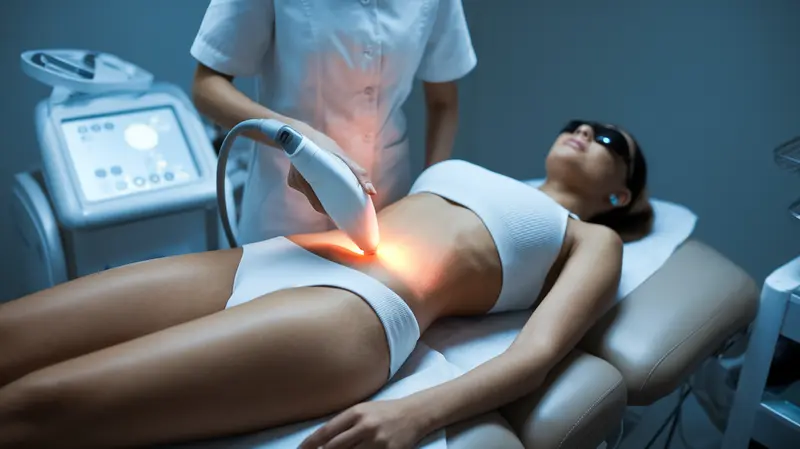
How Many Patients Will You Work On During Hands-On Training?
When it comes to hands-on training in healthcare, one of the most common questions aspiring professionals ask is, How many patients will I work on during hands-on training? This question is crucial for understanding the practical experience you will gain and how it will prepare you for your future career.
Understanding Hands-On Training in Healthcare
Hands-on training is an essential component of healthcare education. It allows students to apply theoretical knowledge in real-world scenarios, enhancing their skills and confidence. This training can take place in various settings, including hospitals, clinics, or specialized training facilities.
Factors Influencing Patient Interaction
The number of patients you will work on during hands-on training can vary significantly based on several factors:
- Program Structure: Different programs have varying curricula. Some may emphasize extensive clinical practice, while others might focus more on theoretical learning.
- Duration of Training: The length of your training program plays a crucial role. Longer programs typically provide more opportunities for patient interaction.
- Specialization: Your chosen field of study can influence the number of patients you interact with. For instance, nursing programs may offer more patient contact than administrative roles.
- Location: The healthcare facility where you complete your training can also impact patient interaction. Busy hospitals may provide more opportunities compared to smaller clinics.
- Supervision and Guidance: The level of supervision you receive can affect how many patients you work with. Some programs prioritize hands-on experience under the supervision of experienced professionals.
Typical Patient Interaction Numbers
While the exact number of patients you will work on varies, here are some general estimates based on common healthcare training programs:
- Nursing Programs: Nursing students may work with 20 to 30 patients during their clinical rotations, depending on the program's length and intensity.
- Medical Students: In medical school, students might interact with hundreds of patients over the course of their training, especially during their residency.
- Allied Health Programs: Programs such as physical therapy or occupational therapy may involve working with 10 to 15 patients per week during clinical placements.
Maximizing Your Hands-On Training Experience
To get the most out of your hands-on training, consider the following tips:
- Engage Actively: Take initiative in your training. Ask questions and seek additional responsibilities whenever possible.
- Network: Build relationships with your instructors and peers. Networking can lead to more opportunities for patient interaction.
- Reflect and Learn: After each patient interaction, take time to reflect on your experiences. This will help you grow and improve your skills.
Conclusion
Understanding how many patients you will work on during hands-on training is vital for your education and career preparation. While the numbers can vary widely, the focus should always be on the quality of the experience rather than just the quantity. Embrace every opportunity to learn and grow in your hands-on training, as these experiences will shape you into a competent and confident healthcare professional.