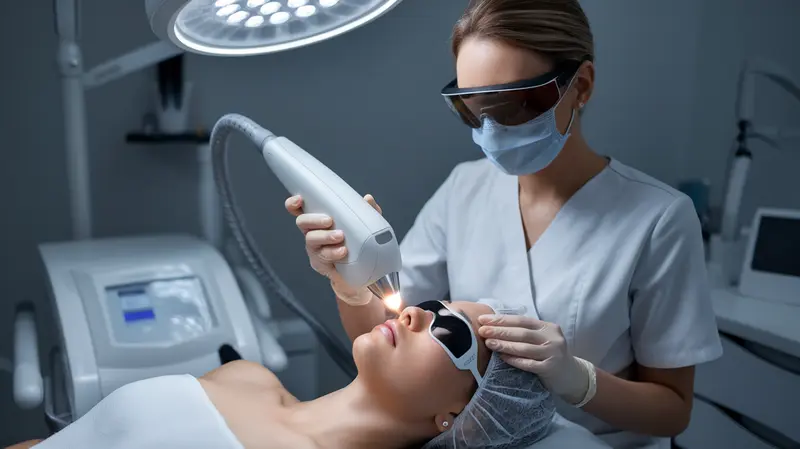
Understanding Botox Training: Is It the Same Across States and Countries?
Botox has become a popular cosmetic treatment, leading to a surge in demand for qualified practitioners. However, the training required to administer Botox varies significantly across different states and countries. Understanding these differences is crucial for both aspiring practitioners and consumers seeking Botox treatments.
1. Botox Training Requirements in the United States
In the United States, the requirements for Botox training can differ by state. Most states require practitioners to be licensed medical professionals, such as doctors, nurses, or physician assistants. However, the specific training and certification programs can vary widely.
- Medical Professionals: Doctors typically have extensive training in anatomy and facial aesthetics, making them well-suited for Botox administration. Nurses and physician assistants may also be qualified but often need additional training.
- Certification Programs: Various organizations offer Botox training courses. These programs can range from one-day workshops to comprehensive courses that include hands-on practice. It is essential to choose accredited programs recognized by state medical boards.
2. Botox Training in Canada
In Canada, Botox training is also regulated at the provincial level. Medical professionals, including physicians and registered nurses, must complete specific training to administer Botox.
- Provincial Regulations: Each province may have its own guidelines regarding who can administer Botox and the training required. For instance, some provinces may allow nurse practitioners to administer Botox, while others may not.
- Certification: Similar to the U.S., there are several certification programs available. It is important for practitioners to ensure their training meets provincial standards.
3. Botox Training in the United Kingdom
In the UK, Botox is classified as a prescription-only medicine, which means only qualified medical professionals can administer it.
- Regulatory Framework: The General Medical Council (GMC) oversees the training and practice of medical professionals. Non-medical practitioners, such as beauty therapists, may offer Botox treatments but must work under the supervision of a qualified doctor.
- Training Programs: Various training programs are available for medical professionals, focusing on facial anatomy, injection techniques, and patient assessment.
4. Botox Training in Australia
In Australia, Botox administration is regulated by the Medical Board of Australia. Only registered medical practitioners can administer Botox, although some states allow nurse practitioners to do so under specific conditions.
- Training Requirements: Medical professionals must undergo training that covers the legal and medical aspects of Botox administration. This often includes practical training and assessments.
- Accredited Courses: Practitioners should seek accredited courses that comply with the Australian Health Practitioner Regulation Agency (AHPRA) standards.
5. Global Perspective on Botox Training
Globally, the regulation of Botox training varies widely. In some countries, any practitioner can administer Botox after a short training course, while in others, strict regulations require extensive medical training.
- Variability in Standards: Countries like the United States, Canada, and the UK have established frameworks to ensure safety and efficacy in Botox administration. In contrast, other regions may lack such regulations, leading to potential risks for patients.
- Consumer Awareness: It is vital for consumers to research the qualifications of practitioners in their area. Understanding the training and certification requirements can help ensure safe and effective treatments.
Conclusion
Botox training is not uniform across states and countries. Aspiring practitioners must be aware of local regulations and seek accredited training programs to ensure they meet the necessary standards. For consumers, understanding these differences is crucial for making informed choices about their Botox treatments. Always prioritize safety and seek qualified professionals for cosmetic procedures.