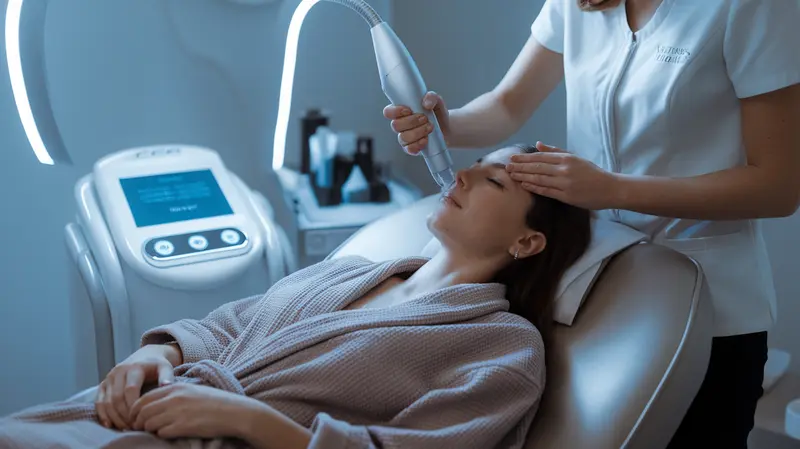
Understanding Patient Safety in Botox Training
Botox has become a popular cosmetic treatment, and with its rise in demand, the importance of patient safety in Botox training cannot be overstated. Whether you are a medical professional looking to expand your skill set or a patient considering Botox, understanding the safety protocols involved is essential.
What is Botox?
Botox, or botulinum toxin, is a neurotoxic protein that temporarily paralyzes muscles, reducing the appearance of wrinkles and fine lines. While it is widely regarded as safe when administered by trained professionals, there are risks involved, making proper training crucial.
The Importance of Patient Safety in Botox Training
- Comprehensive Education: A thorough Botox training program covers not only the techniques for administering Botox but also the safety protocols that ensure patient well-being. This includes understanding anatomy, recognizing contraindications, and knowing how to manage potential complications.
- Understanding Anatomy: Knowledge of facial anatomy is critical. Botox injections must be administered precisely to avoid affecting unintended areas. Proper training emphasizes the importance of understanding muscle locations and facial structures to minimize risks.
- Recognizing Contraindications: Not every patient is a suitable candidate for Botox. Botox training includes identifying contraindications such as pregnancy, breastfeeding, allergies, and certain medical conditions. This knowledge helps practitioners make informed decisions about patient eligibility.
- Managing Complications: Despite the best training, complications can arise. A comprehensive Botox training program prepares practitioners to recognize and manage adverse reactions, such as bruising, swelling, or more severe complications like allergic reactions. Knowing how to respond effectively ensures patient safety.
- Informed Consent: A critical aspect of patient safety is ensuring that patients are fully informed before undergoing treatment. Botox training programs emphasize the importance of discussing potential risks, benefits, and alternatives with patients, allowing them to make educated decisions.
- Post-Treatment Care: Patient safety extends beyond the injection itself. Training includes guidance on post-treatment care, helping patients understand what to expect and how to care for the injection site to minimize risks.
- Staying Updated: The field of cosmetic treatments is constantly evolving. Ongoing education and training are essential for practitioners to stay updated on the latest techniques, safety protocols, and advancements in Botox treatments.
Choosing the Right Botox Training Program
When selecting a Botox training program, it is crucial to ensure that patient safety is a priority. Look for programs that offer:
- Comprehensive curriculum covering safety protocols
- Hands-on training with experienced instructors
- Information on anatomy and managing complications
- Emphasis on informed consent and patient education
Conclusion
Patient safety in Botox training is vital for both practitioners and patients. By ensuring that training programs prioritize safety protocols, practitioners can provide high-quality care while minimizing risks. For patients, understanding the importance of safety in Botox treatments empowers them to make informed decisions about their cosmetic procedures. Always choose a qualified provider who emphasizes patient safety in their practice.