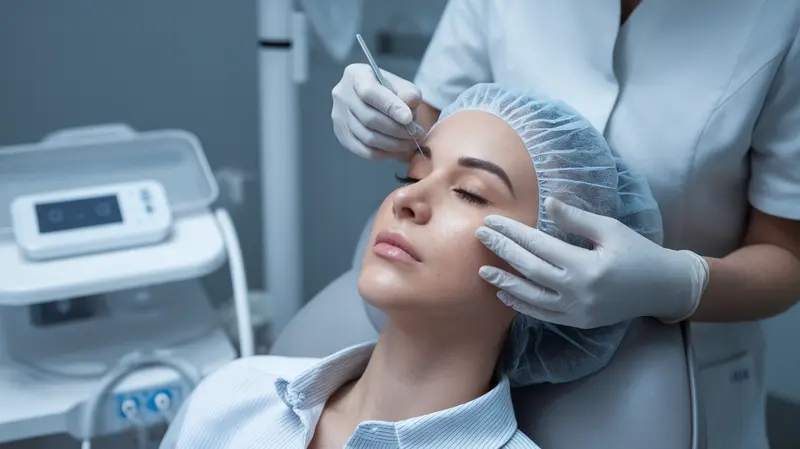
Can an esthetician do fillers?
Aestheticians cannot legally administer fillers in most states. Only licensed medical professionals can perform injectable procedures.
Articles, Training Resources & Industry Insights for Medical Professionals
Aestheticians cannot legally administer fillers in most states. Only licensed medical professionals can perform injectable procedures.
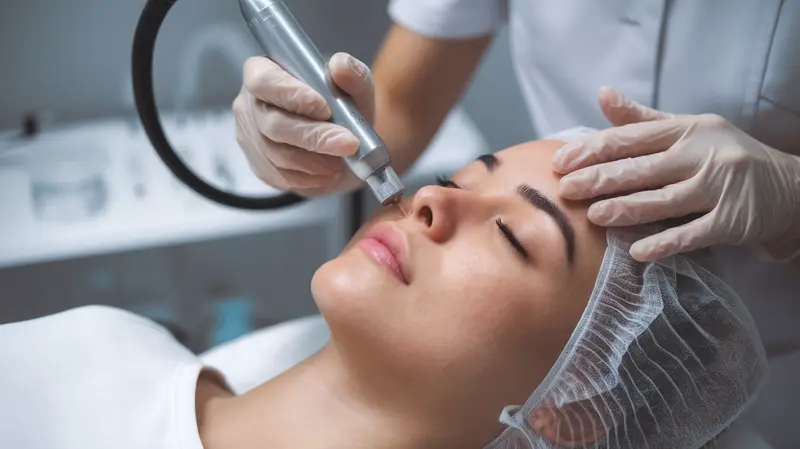
Most Botox training programs provide certification upon completion. This documents your training but may differ from state licensure requirements.
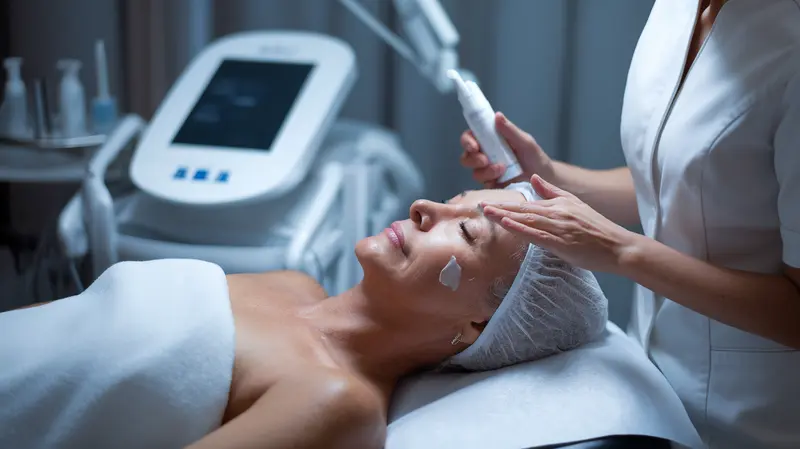
Chiropractors can take Botox training in some states. Scope of practice for chiropractic Botox use varies significantly by jurisdiction.

Training covers forehead lines, frown lines, crow's feet, brow lift, bunny lines, lip lines, chin, jawline, and neck areas.
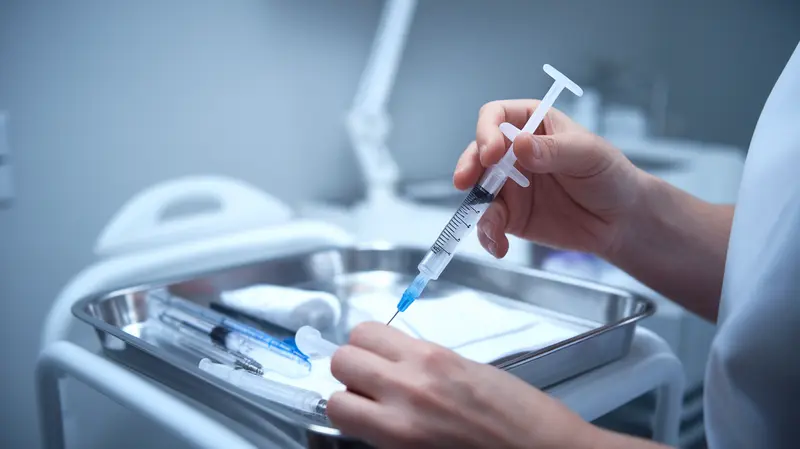
Making money during aesthetician school options include part-time work, freelance makeup, skincare product sales, or beauty-related side jobs.
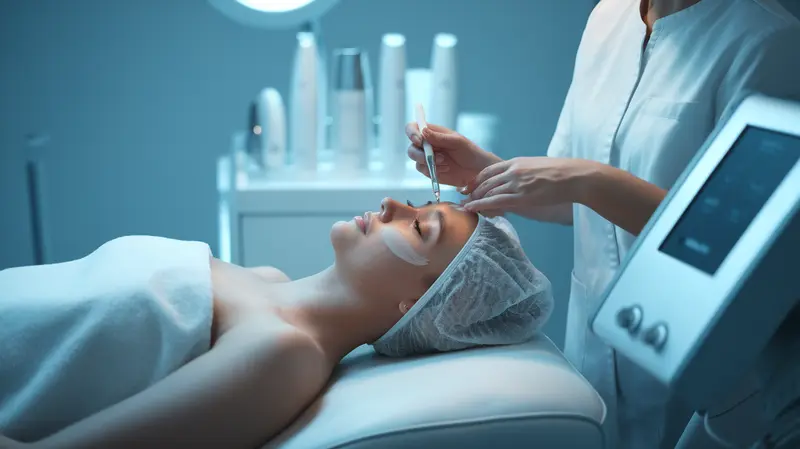
Chin lipo candidates are healthy adults with good skin elasticity and localized fat deposits. Consultation determines individual eligibility.
Stay calm, assess the situation, document the issue, communicate with the patient, and implement appropriate corrective measures or referrals.
Without a license, options include skincare sales, makeup artistry, beauty writing, spa reception, and product brand representation roles.
Most programs require participants to be legal adults with appropriate medical credentials. Specific age requirements vary by program.
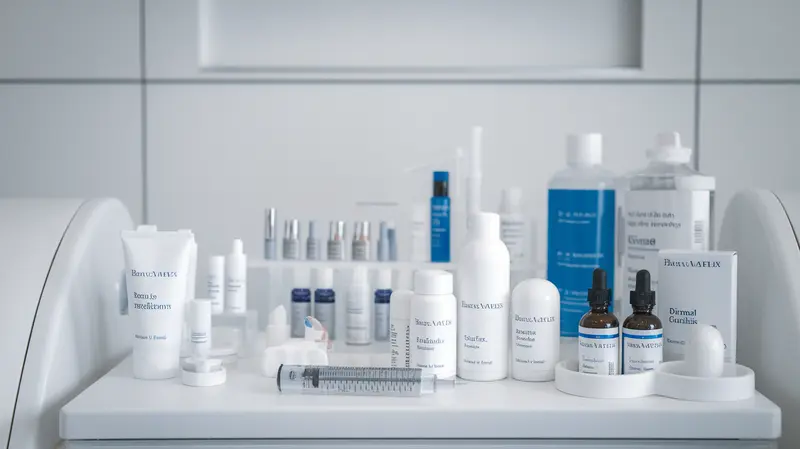
Yes, dermal fillers are non-surgical injectable treatments. They add volume without incisions and have minimal recovery time.

Basic aesthetician programs meet minimum state requirements of 600-750 hours, typically completing in 4-6 months of full-time study.
Aesthetician licenses typically require fewer hours than cosmetology. Relative ease depends on program quality and individual learning abilities.
Aesthetic.Education | The Next Step in Medical Learning

AE Medical promotes training for Physicians, Nurses, Dentists and other certified healthcare professionals. Aesthetic Education is a powerful resource to improve your practice and generate revenue.
Get updates on new courses, special offers, and industry news
Patient-friendly references our students use to explain procedures and career paths.