
How to go to esthetician school for free?
Free aesthetician school options include scholarships, grants, workforce development programs, and employer-sponsored training arrangements.
Articles, Training Resources & Industry Insights for Medical Professionals
Free aesthetician school options include scholarships, grants, workforce development programs, and employer-sponsored training arrangements.

Yes, aesthetician programs include homework covering skincare theory, product knowledge, anatomy, and treatment planning concepts.
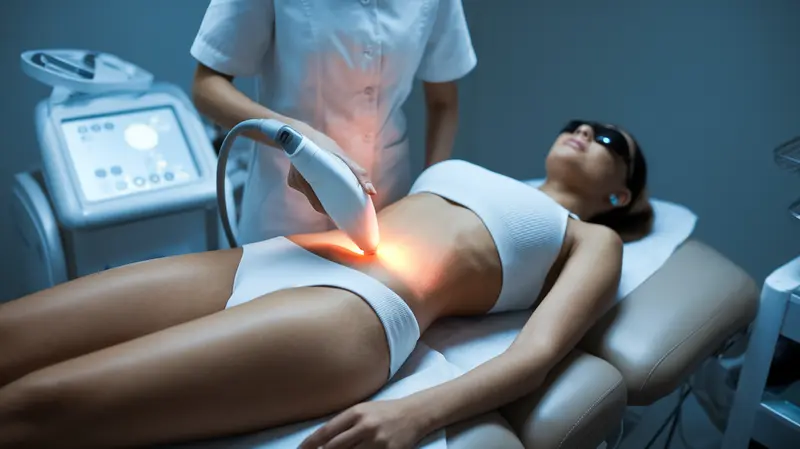
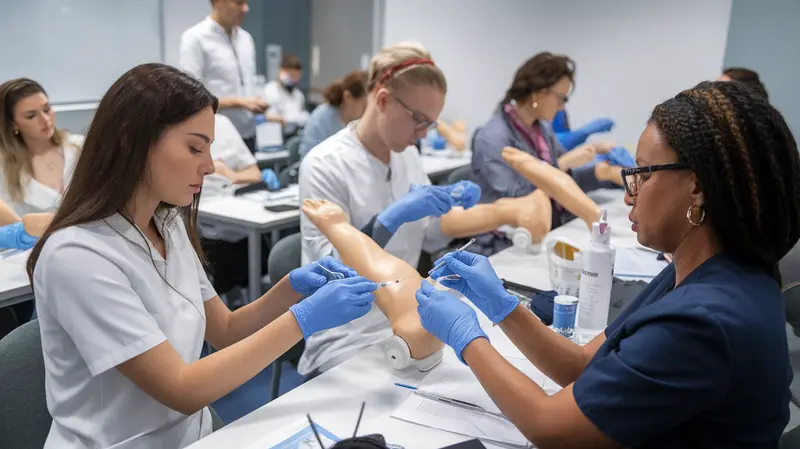
Hands-on patient numbers vary by program. Most courses provide practice on 3-10 patients or models during supervised training sessions.
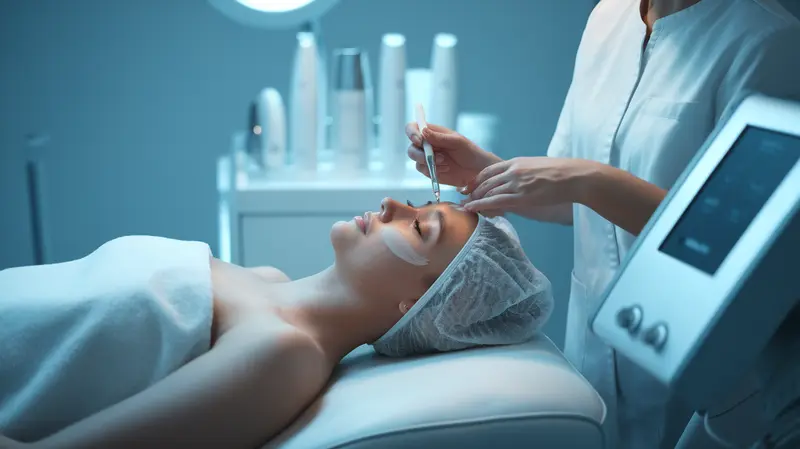
Most aesthetician programs require 600-1,500 hours depending on state. Full-time programs complete in 4-9 months typically.
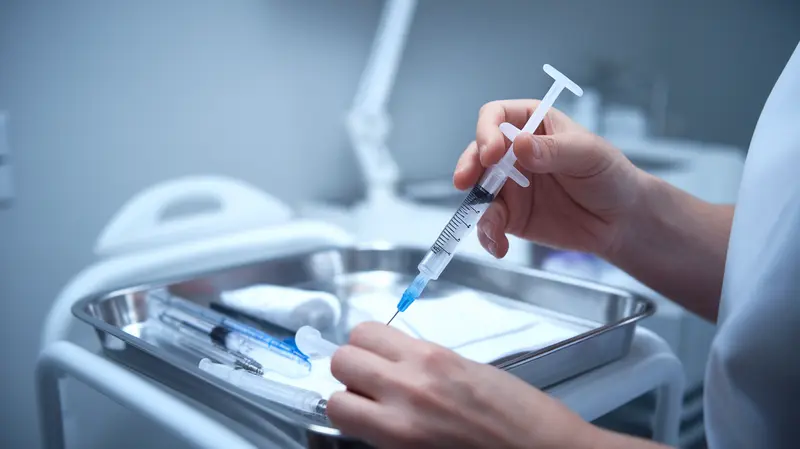
10 vials of Sculptra cost approximately $8,000-$15,000. Treatment is typically spread over multiple sessions for gradual results.
A mini chin lift is a less invasive procedure targeting mild chin laxity with smaller incisions and faster recovery than full lifts.
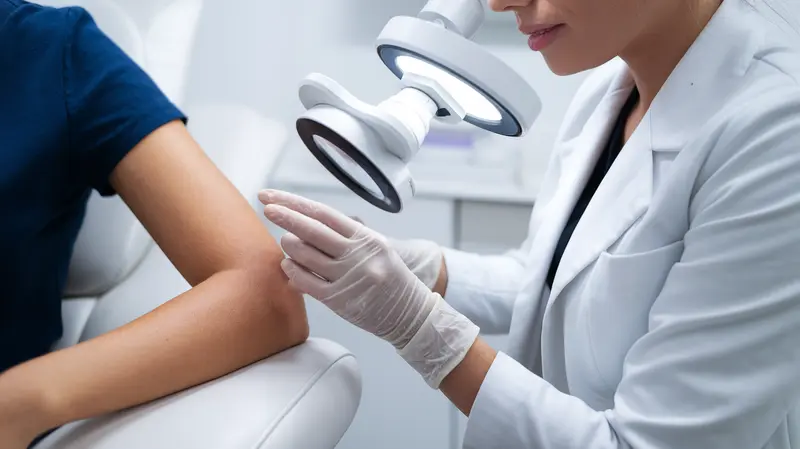
Training others requires additional instructor certification beyond practitioner credentials. Requirements vary by training organization.
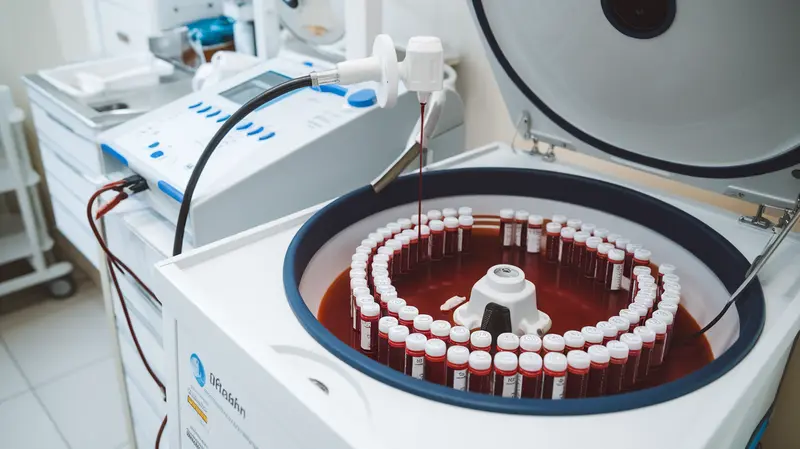
Online Botox training covers theory remotely. Hands-on injection practice typically requires in-person attendance at a training facility.
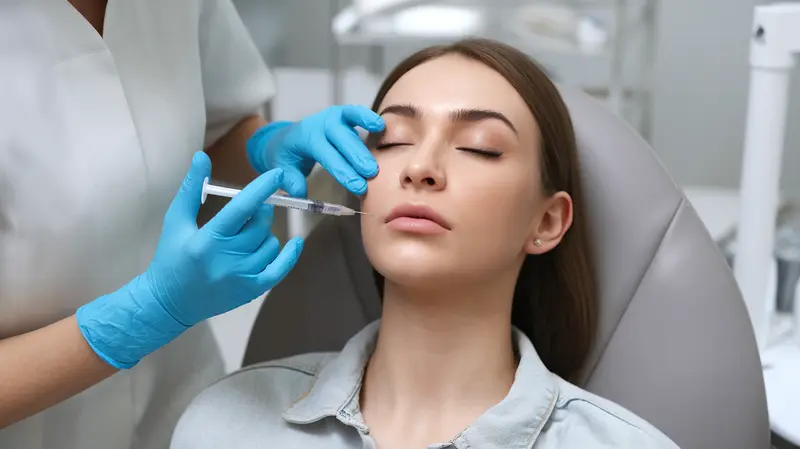
Insurance rarely covers double chin treatments as they are considered cosmetic. Medical necessity exceptions are uncommon.
Basic nail care may be included in aesthetician programs. Extensive nail training requires separate cosmetology or nail technician licensing.
Patient volume varies by program format. Expect to treat 3-10 patients during hands-on training depending on course length and structure.
At-home aesthetician earnings vary widely from $30,000-$80,000+ depending on clientele, services, pricing, and business development efforts.
Aesthetic.Education | The Next Step in Medical Learning

AE Medical promotes training for Physicians, Nurses, Dentists and other certified healthcare professionals. Aesthetic Education is a powerful resource to improve your practice and generate revenue.
Get updates on new courses, special offers, and industry news
Patient-friendly references our students use to explain procedures and career paths.