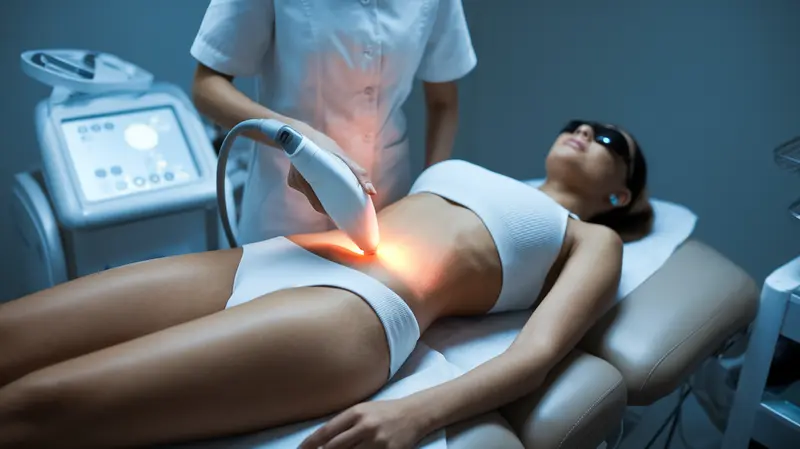
How long is esthetician school cost?
Aesthetician school costs $3,000-$20,000+ for tuition plus supplies, exam fees, and licensing costs. Total varies by state and program.
Articles, Training Resources & Industry Insights for Medical Professionals
Aesthetician school costs $3,000-$20,000+ for tuition plus supplies, exam fees, and licensing costs. Total varies by state and program.
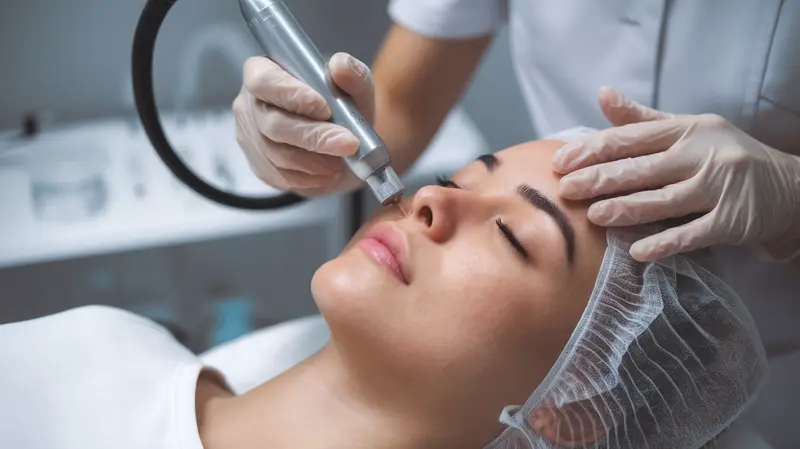
Aesthetician work can be a side hustle with flexible scheduling. Part-time opportunities exist in spas, salons, and mobile services.
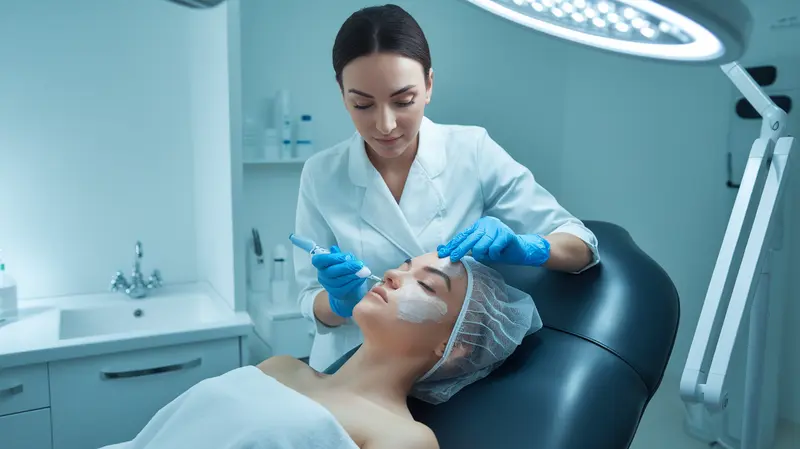
No, dermal fillers require administration by licensed medical professionals. Training and credentials are necessary for legal practice.
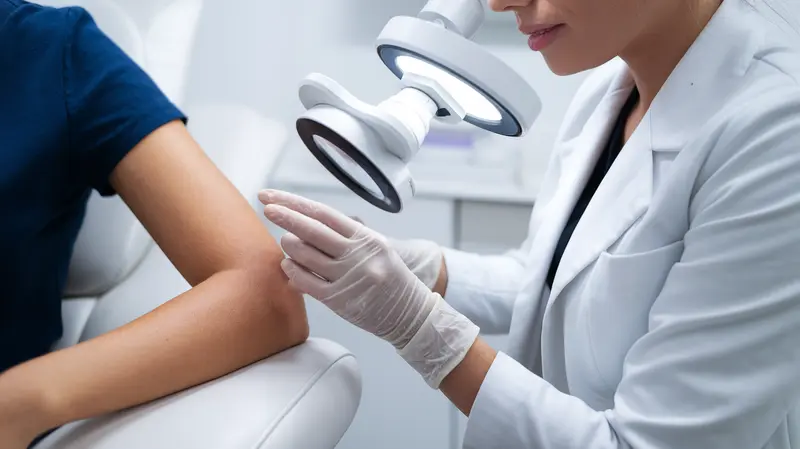
Working during aesthetician school is possible through part-time, evening, or weekend programs designed for students with employment obligations.

Botox relaxes muscles to reduce wrinkles. Dermal fillers add volume to facial areas. Training covers different techniques for each product.
Aesthetician school costs reflect equipment, supplies, instructor expertise, facility maintenance, licensing preparation, and small class sizes.
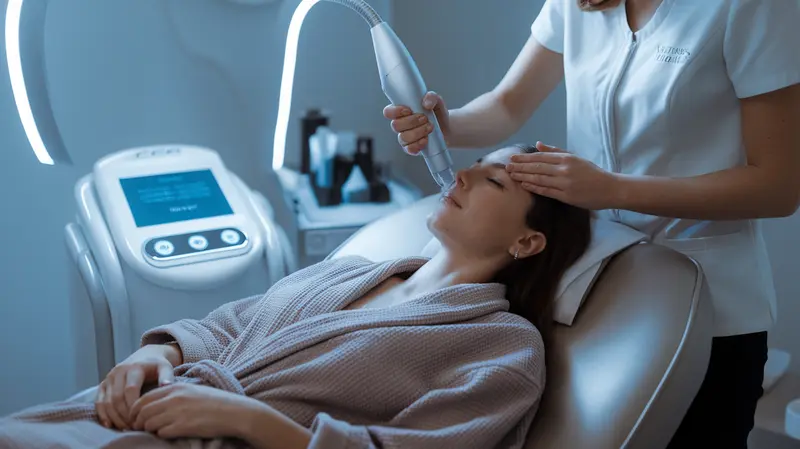
Non-medical professionals face significant restrictions on Botox administration. Most states require medical licensure to perform injections.
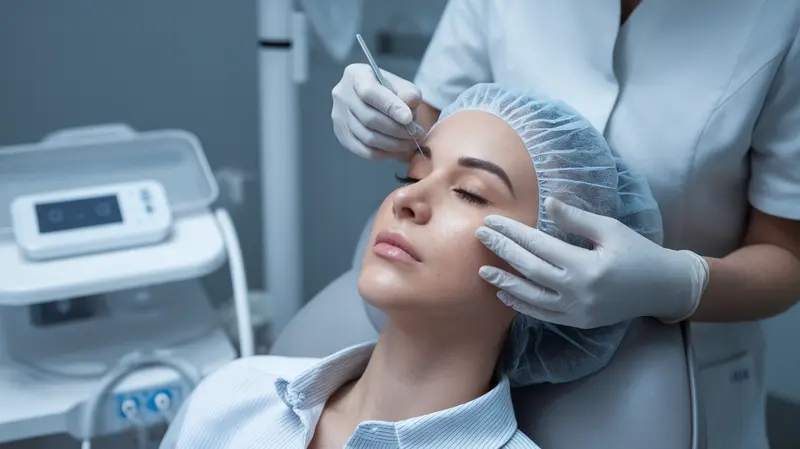
States with highest aesthetician pay include California, New York, Washington, and Colorado. Urban areas typically offer higher wages.
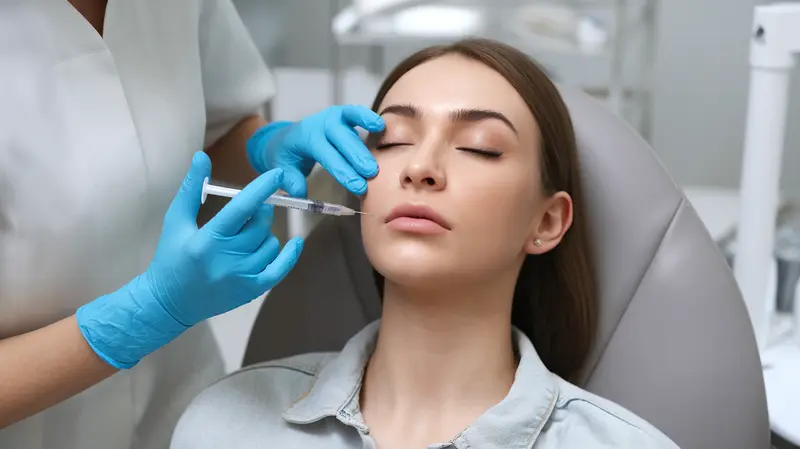
Botox training eligibility typically includes licensed nurses, physicians, physician assistants, and dentists. Requirements vary by state regulations.

Highest-paid aestheticians typically specialize in medical aesthetics, own businesses, work in premium markets, or serve celebrity clientele.
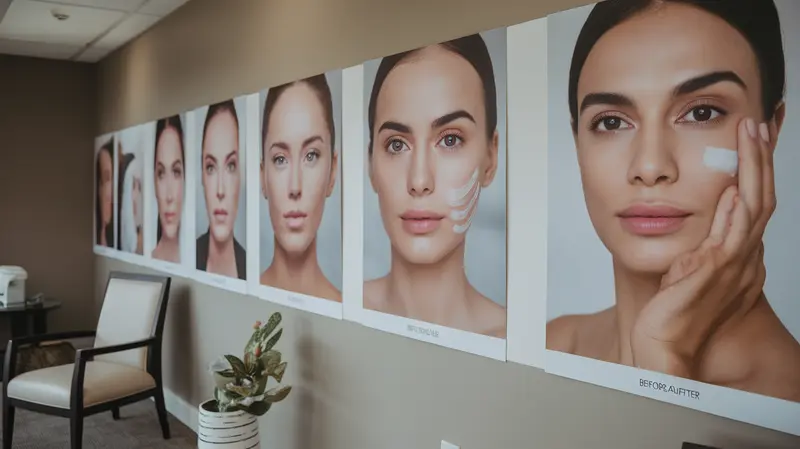
Many aestheticians enjoy their work due to client relationships, visible results, creative expression, and helping others feel confident.
1cc of filler costs $400-$1,200 depending on product type, provider, and location. Prices vary significantly by market and brand.
Aesthetic.Education | The Next Step in Medical Learning

AE Medical promotes training for Physicians, Nurses, Dentists and other certified healthcare professionals. Aesthetic Education is a powerful resource to improve your practice and generate revenue.
Get updates on new courses, special offers, and industry news
Patient-friendly references our students use to explain procedures and career paths.