Can Anyone Do Dermal Fillers?
Dermal fillers have become increasingly popular as a non-invasive option for enhancing facial aesthetics. With their ability to smooth wrinkles, restore volume, and enhance facial contours, many individuals are curious about who can administer these treatments. This article delves into the qualifications required for administering dermal fillers and what you should consider before getting treatment.
Understanding Dermal Fillers
Dermal fillers are substances injected into the skin to restore lost volume, soften wrinkles, and enhance facial features. Common materials used include hyaluronic acid, calcium hydroxylapatite, and poly-L-lactic acid. While these products are generally safe, the skill of the injector plays a critical role in the outcome of the treatment.
Who Can Administer Dermal Fillers?
Not everyone can perform dermal filler injections. The qualifications for administering these treatments can vary significantly by country or region. Here’s a breakdown of who is typically authorized to perform these procedures:
1. Medical Professionals
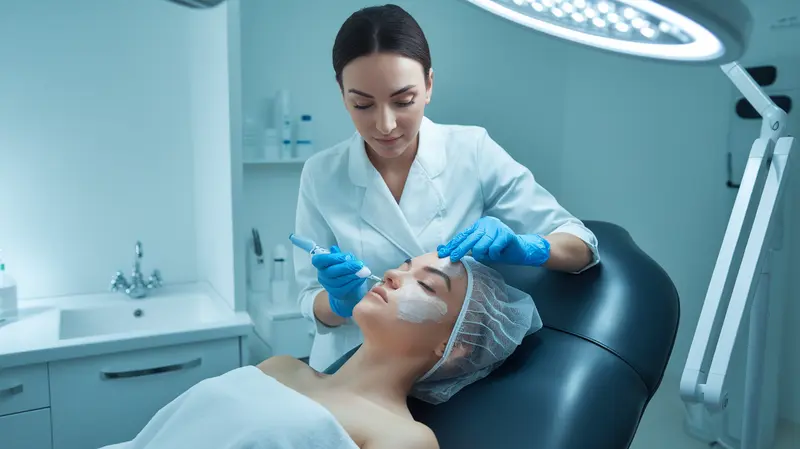
In most regions, only qualified medical professionals—such as dermatologists, plastic surgeons, and certain trained nurses—are permitted to administer dermal fillers. These individuals must possess a thorough understanding of facial anatomy and have the training to manage potential complications. Their medical background ensures they can recognize and handle adverse reactions effectively.
2. Trained Aesthetic Practitioners
In some places, licensed aesthetic practitioners or estheticians who have completed specialized training programs in injectables are allowed to perform dermal filler treatments. These training programs typically cover facial anatomy, injection techniques, and safety protocols, enabling practitioners to provide safe and effective treatments.
3. Legal Regulations Vary
The legality of who can administer dermal fillers varies significantly. In the United States, regulations differ from state to state, with some allowing physician assistants and nurse practitioners to administer fillers under physician supervision. Conversely, in some countries, only doctors are permitted to perform these injections. Always verify your local regulations and seek practitioners accordingly.
Importance of Choosing a Qualified Injector
Selecting a qualified injector is crucial for several reasons:
- Safety: A trained professional understands the anatomy of the face, reducing the risk of complications such as vascular occlusions.
- Skill: Experienced injectors can achieve natural-looking results and provide guidance on the best options for your specific needs.
- Aftercare: Qualified injectors can offer important aftercare advice and manage any side effects that may occur post-treatment.
What to Look for When Choosing an Injector
When considering dermal fillers, it's essential to do your research before selecting an injector. Here are some factors to keep in mind:
1. Credentials and Experience
Check the injector's qualifications, including their medical training and any certifications related to cosmetic injectables. Experience often translates to better results, so inquire about how many procedures they've performed.
2. Reviews and Recommendations
Look for testimonials and reviews from previous clients. Word-of-mouth referrals can provide insight into the injector's skill and the quality of their work.
3. Before and After Photos
Ask for before and after photos of previous patients. This will give you an indication of the injector's aesthetic style and the results you can expect.
Consultation: An Essential Step
Before undergoing any procedure, a consultation is essential. This is your chance to discuss your goals, ask questions, and evaluate the injector's approach. A qualified professional will assess your facial structure, discuss realistic outcomes, and develop a tailored treatment plan for you.
Risks and Considerations
Despite the safety of dermal fillers, there are inherent risks. Potential side effects include bruising, swelling, and infection at the injection site. More severe complications, though rare, can include allergic reactions, nodules, or vascular occlusion. Understanding these risks is crucial before proceeding with treatment.
The Bottom Line
While dermal fillers offer significant aesthetic benefits, it's vital to ensure that only trained and qualified professionals administer them. Can anyone do dermal fillers? The answer is no. The expertise of the injector is crucial for safety and achieving desired results. Always prioritize your safety and results by selecting a qualified practitioner who adheres to local regulations.
"