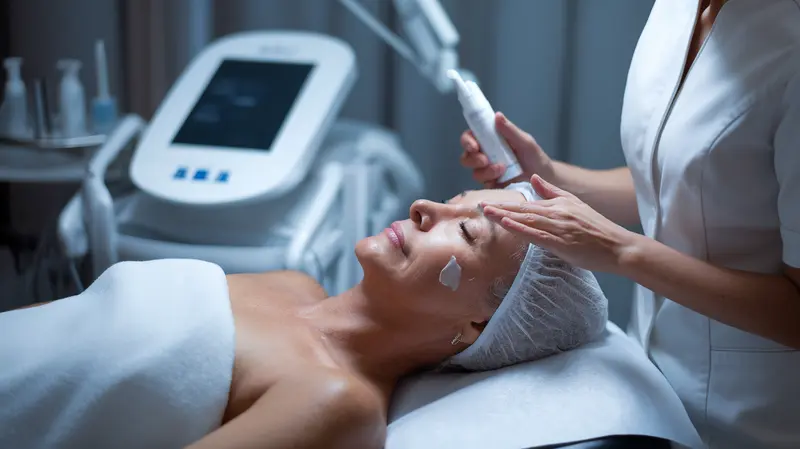
What are the different Botox injection techniques taught in the course?
Techniques include standard injection, microbotox, serial puncture, linear threading, and area-specific approaches for different facial zones.
Articles, Training Resources & Industry Insights for Medical Professionals
Techniques include standard injection, microbotox, serial puncture, linear threading, and area-specific approaches for different facial zones.
Qualified filler providers include dermatologists, plastic surgeons, and trained nurses or physician assistants with appropriate credentials.
Makeup application is covered in most aesthetician programs. Depth of training varies by school curriculum and state requirements.
Certification renewal requirements vary by provider. Many require continuing education credits annually or biannually to maintain credentials.
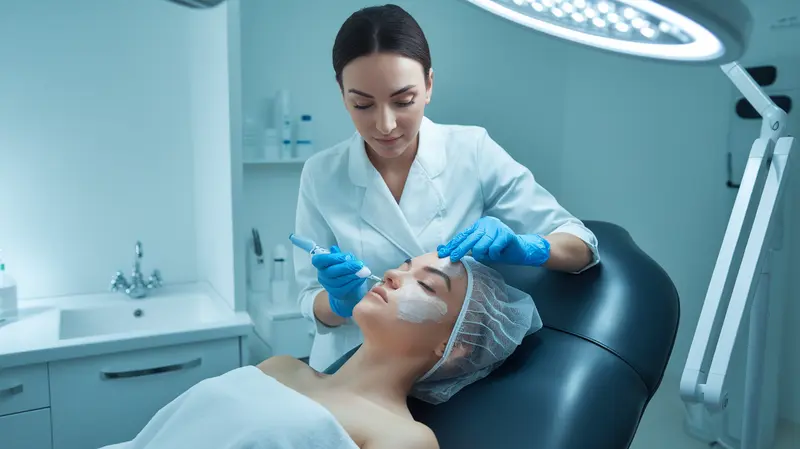
Adding Botox can expand patient services, attract new clients, increase revenue, and provide additional treatment options in your practice.
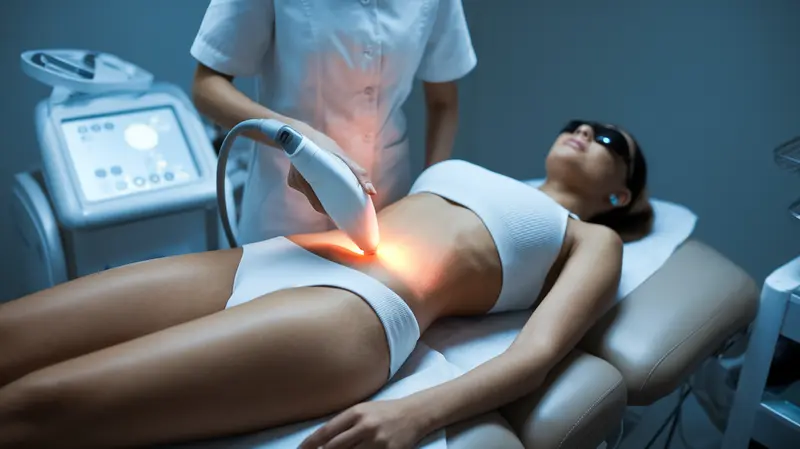
Self-employed aestheticians need licensure, business registration, liability insurance, equipment, marketing strategy, and client acquisition systems.
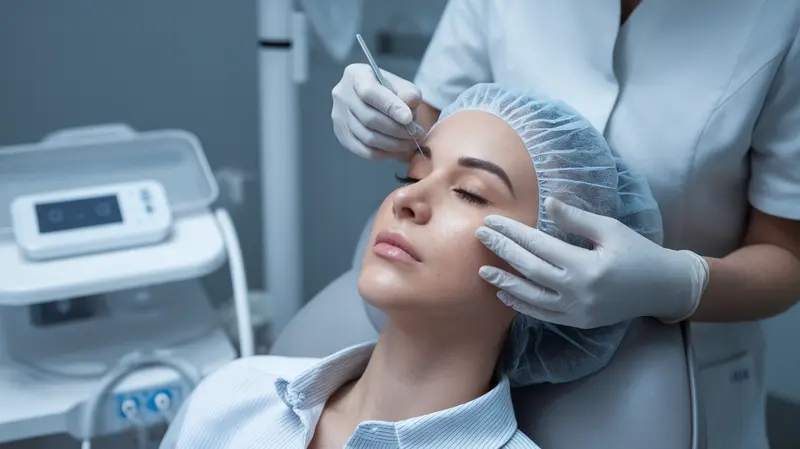
Botox demand varies by location. Urban areas typically have higher demand but more competition. Research your local market conditions.
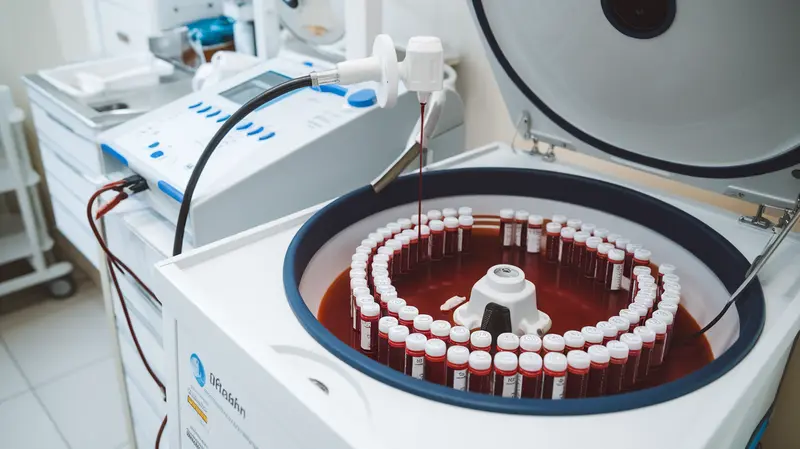
Botox proficiency develops through training plus ongoing practice. Most practitioners gain confidence after treating 50-100 patients.
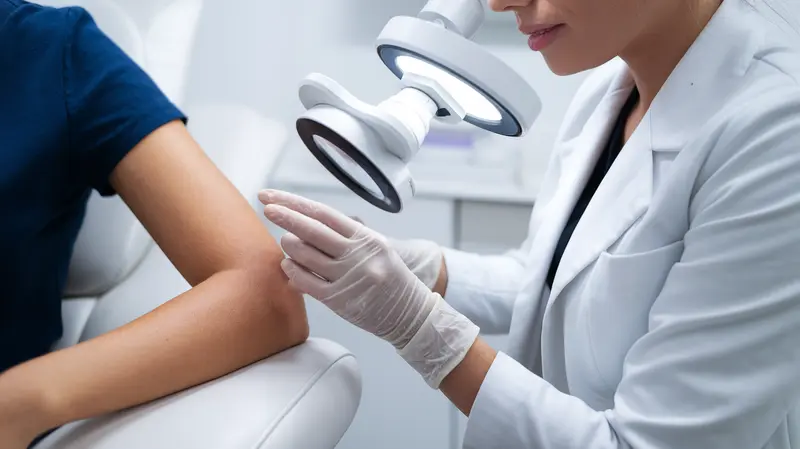
Aesthetician license value depends on career goals, local market demand, and commitment to building clientele. Research your area first.
Before aesthetician school, research costs, time commitment, state requirements, career opportunities, and program reputation in your area.
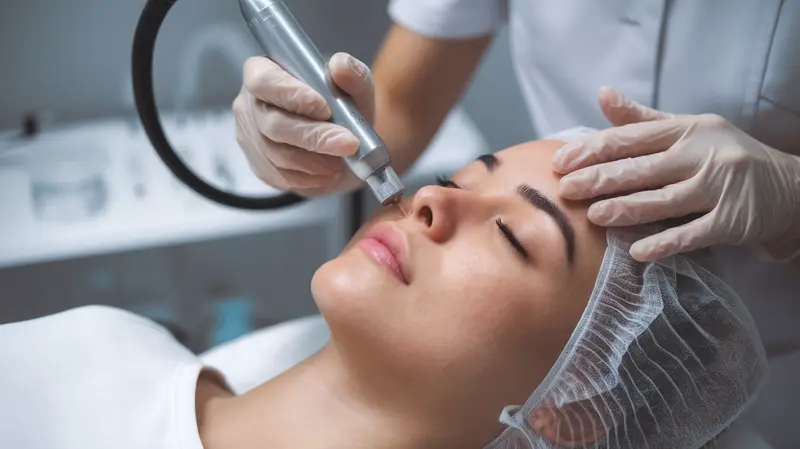
Look for accreditation, experienced instructors, hands-on practice, small class sizes, comprehensive curriculum, and post-course support.
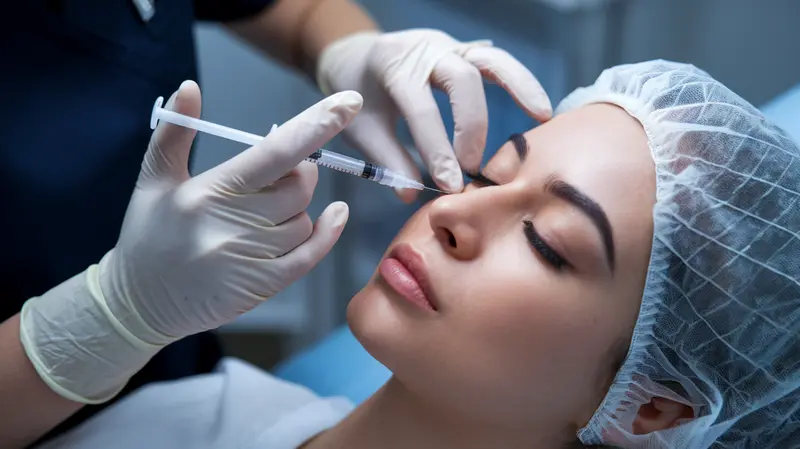
Continuing education requirements vary by state and certifying organization. Many require periodic training to maintain licensure and credentials.
Aesthetic.Education | The Next Step in Medical Learning

AE Medical promotes training for Physicians, Nurses, Dentists and other certified healthcare professionals. Aesthetic Education is a powerful resource to improve your practice and generate revenue.
Get updates on new courses, special offers, and industry news
Patient-friendly references our students use to explain procedures and career paths.