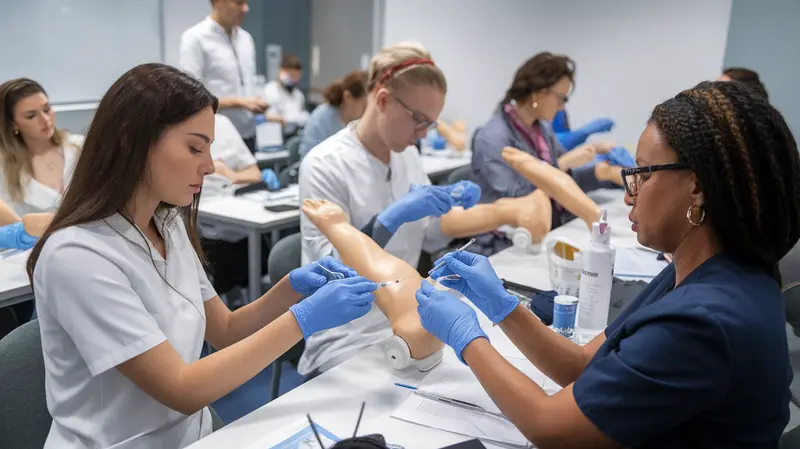
Which is more expensive Botox or dermal fillers?
Cost comparison depends on treatment area and product amount. Botox typically costs less per session but may need more frequent treatments.
Articles, Training Resources & Industry Insights for Medical Professionals
Cost comparison depends on treatment area and product amount. Botox typically costs less per session but may need more frequent treatments.
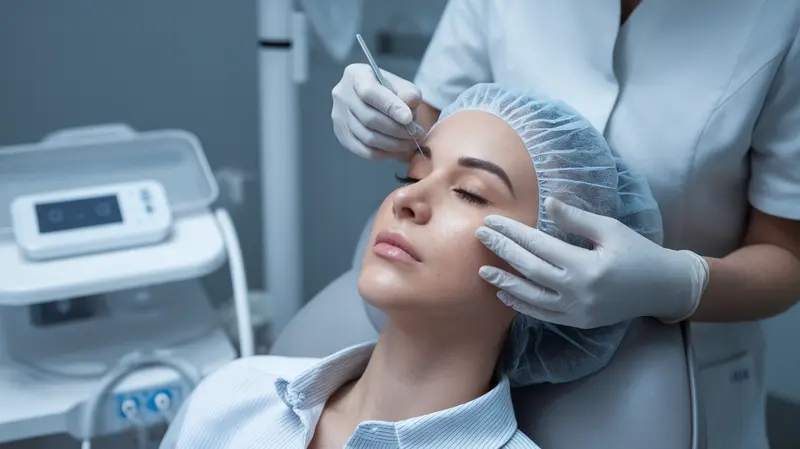
Yes, aestheticians are in demand due to growing skincare awareness and wellness trends. Demand varies by location and specialization.
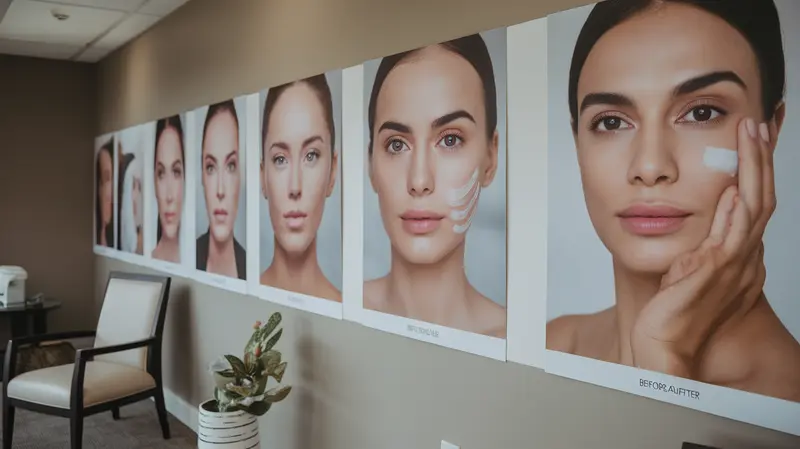
Maintain Botox proficiency through continuing education, regular practice, peer collaboration, and staying current with technique updates.
Prescriber requirements for fillers vary by state. Some require physician involvement while others allow independent nurse practitioner practice.
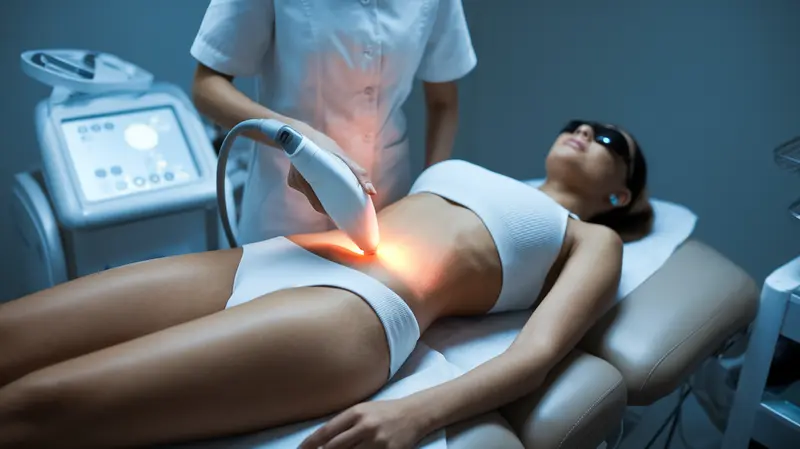
Aesthetician schedules vary. Many work 3-5 days weekly including weekends and evenings when client demand is highest.
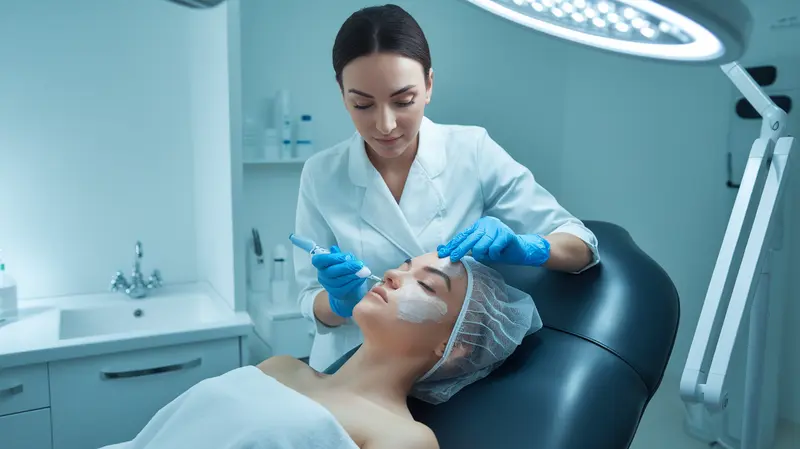
Aestheticians earn most in metropolitan areas, medical spas, luxury resorts, and high-income neighborhoods with premium clientele demand.
Aesthetician school value depends on program quality, local job market, career commitment, and business development efforts post-graduation.
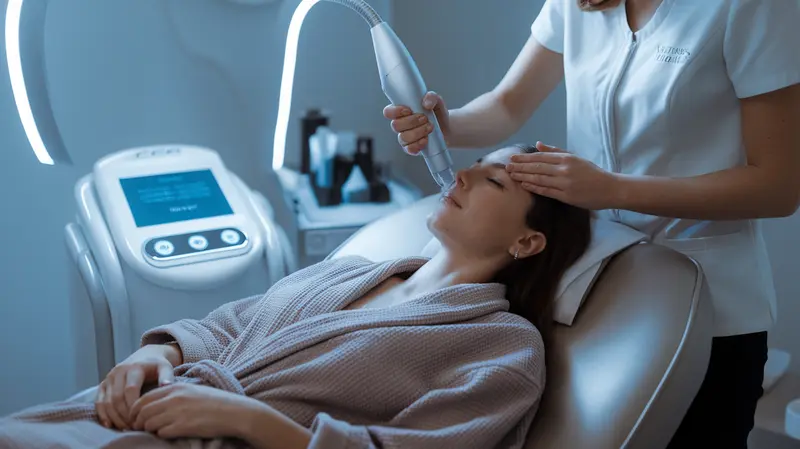
Regular practice is essential for skill development. Most practitioners benefit from ongoing supervised cases before working independently.
Aesthetician income varies widely based on location, specialization, employment setting, and business model. High earners exceed $70,000 annually.
Evaluate Botox training programs by checking accreditation, instructor credentials, hands-on components, class size, and graduate reviews.
Aesthetician compensation varies by employer. Options include hourly wages, service commission, flat fees per treatment, or combinations.
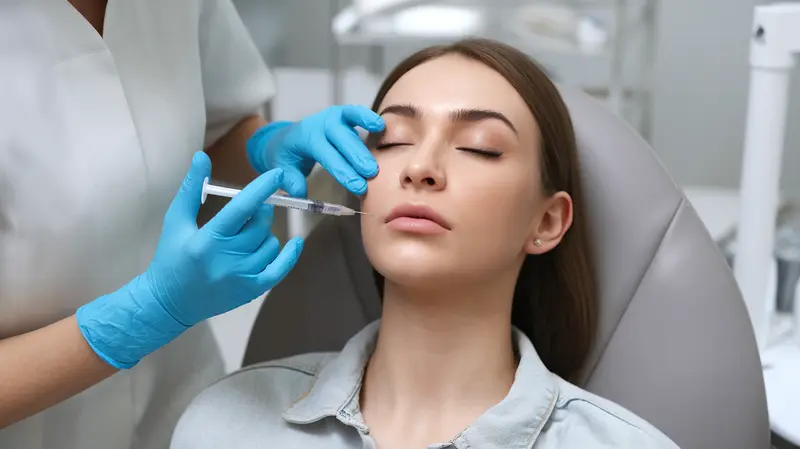
Qualified aesthetician timeline is 4-12 months depending on state hour requirements (600-1,500 hours) and program format.
Aesthetic.Education | The Next Step in Medical Learning

AE Medical promotes training for Physicians, Nurses, Dentists and other certified healthcare professionals. Aesthetic Education is a powerful resource to improve your practice and generate revenue.
Get updates on new courses, special offers, and industry news
Patient-friendly references our students use to explain procedures and career paths.