
What are the cons of being an esthetician?
Aesthetician cons include physical demands, irregular schedules, income variability, client management challenges, and continuing education costs.
Articles, Training Resources & Industry Insights for Medical Professionals
Aesthetician cons include physical demands, irregular schedules, income variability, client management challenges, and continuing education costs.

Medical aestheticians and those specializing in advanced treatments like laser therapy typically earn highest incomes in the field.

Esthetician and aesthetician are the same profession with different spellings. Earnings depend on location and specialization, not spelling.

Yes, licensed aestheticians can perform microneedling in most states. Training covers technique, safety protocols, and contraindications.

Sculptra downsides include multiple treatment sessions needed, delayed results (2-3 months), potential nodules, and higher total cost.

Slowest months for aestheticians typically include January-February and late summer. Holiday seasons and spring are often busiest.
Cosmetology requires more training hours but covers broader services. Aesthetician focuses on skincare. Income depends on specialization and market.

Aesthetician school difficulty depends on science aptitude and practical skill development. Dedicated students typically succeed with proper study hab...

Many providers offer financing through payment plans or third-party lenders. Options and terms vary by training program.

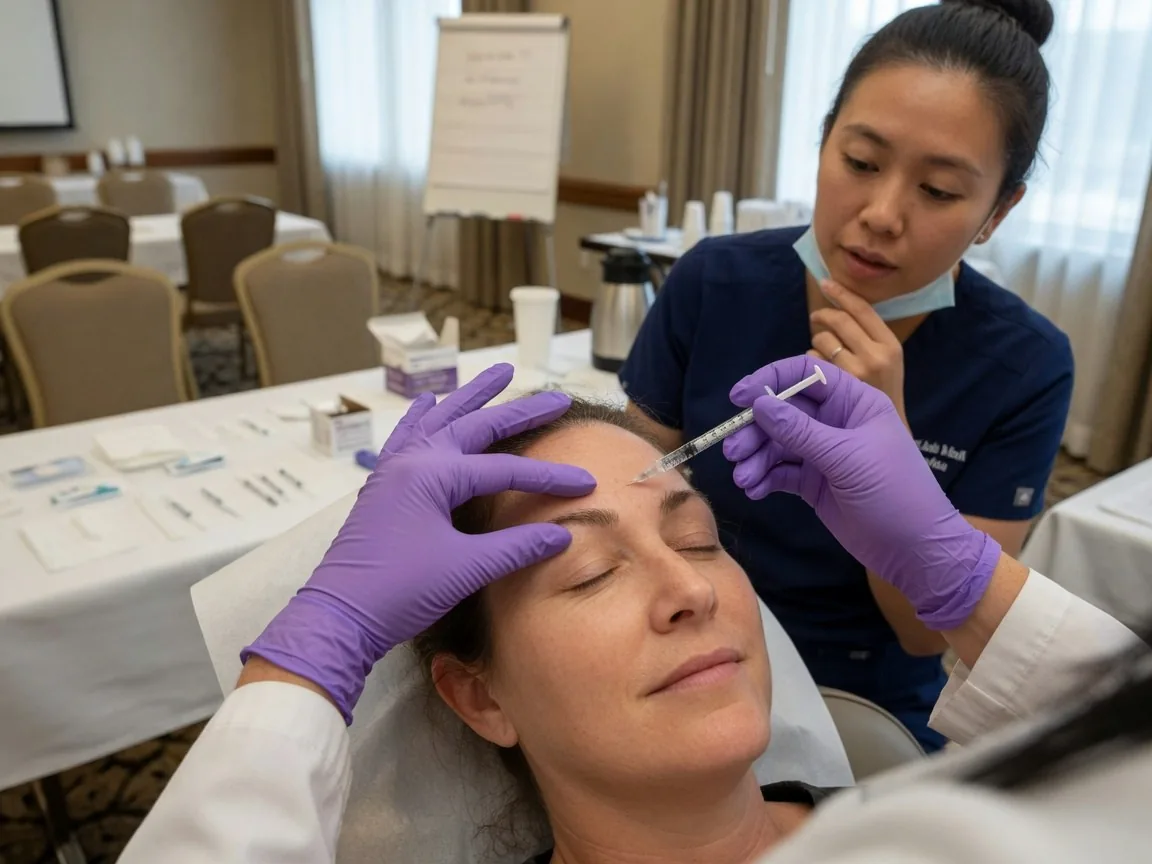
Cosmetic injector careers require medical credentials. Non-nurses need alternative licensure such as PA, NP, MD, or DO degrees.

Dermatologists earn significantly more due to medical degree requirements. Aestheticians can increase earnings through specialization.
Yes, federal financial aid, scholarships, grants, and payment plans may be available for accredited aesthetician programs.
Aesthetic.Education | The Next Step in Medical Learning

Aesthetic Education promotes training for Physicians, Nurses, Dentists and other certified healthcare professionals. Aesthetic Education is a resource for clinicians who want to add these skills to their practice.
Get updates on new courses, special offers, and industry news
Patient-friendly references our students use to explain procedures and career paths.