
What are the highest paid estheticians?
Highest-paid aestheticians typically specialize in medical aesthetics, own businesses, work in premium markets, or serve celebrity clientele.
Articles, Training Resources & Industry Insights for Medical Professionals
Highest-paid aestheticians typically specialize in medical aesthetics, own businesses, work in premium markets, or serve celebrity clientele.

Many aestheticians enjoy their work due to client relationships, visible results, creative expression, and helping others feel confident.

1cc of filler costs $400-$1,200 depending on product type, provider, and location. Prices vary significantly by market and brand.

Free aesthetician school options include scholarships, grants, workforce development programs, and employer-sponsored training arrangements.

10 vials of Sculptra cost approximately $8,000-$15,000. Treatment is typically spread over multiple sessions for gradual results.

Insurance rarely covers double chin treatments as they are considered cosmetic. Medical necessity exceptions are uncommon.

At-home aesthetician earnings vary widely from $30,000-$80,000+ depending on clientele, services, pricing, and business development efforts.

LPN eligibility for Botox training depends on state scope of practice laws. Some jurisdictions allow LPNs to inject under supervision.

Master aesthetician and medical aesthetician are advanced credentials offering expanded scope of practice and treatment capabilities.
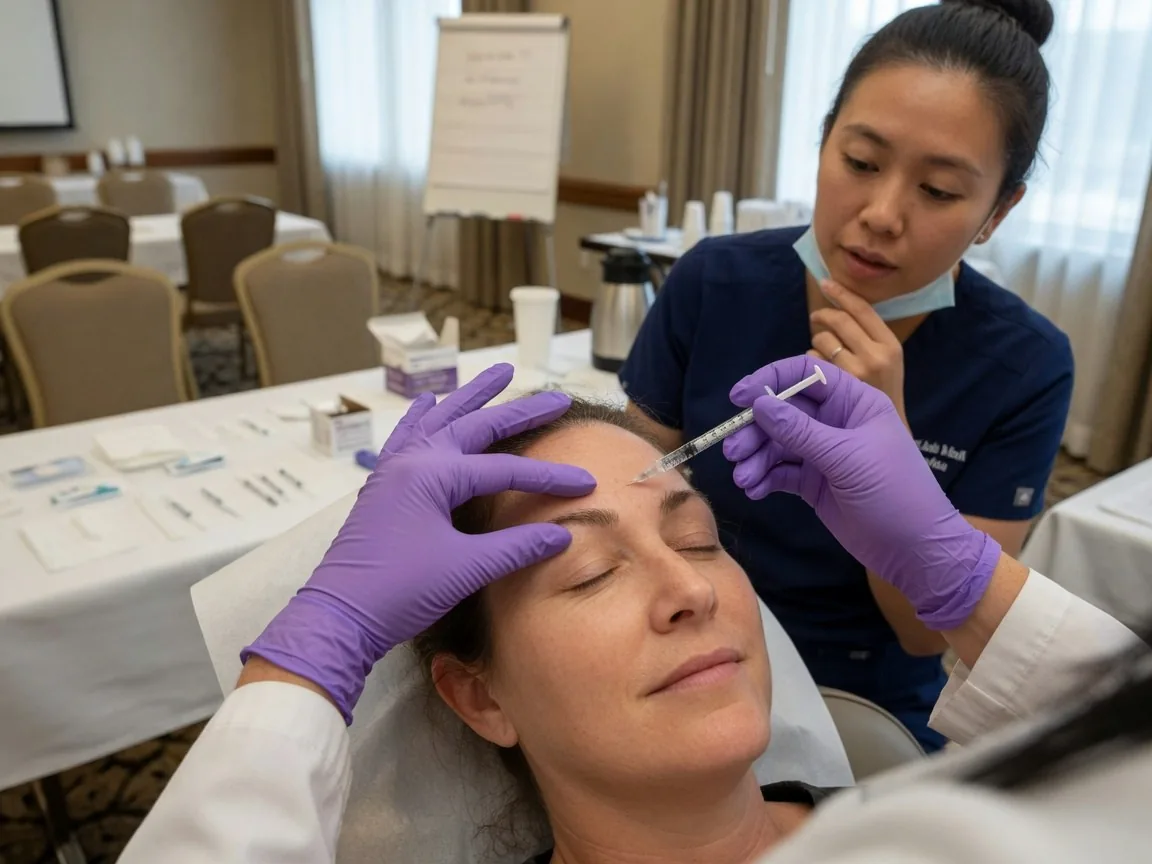
Botox regulations vary significantly by country and state. Training requirements, scope of practice, and supervision rules differ by location.

Malpractice insurance is strongly recommended for Botox practitioners. Many employers require it, and it protects against liability claims.
Botox certification validity depends on the issuing organization. Some require renewal every 1-2 years while others remain valid indefinitely.
Aesthetic.Education | The Next Step in Medical Learning

Aesthetic Education promotes training for Physicians, Nurses, Dentists and other certified healthcare professionals. Aesthetic Education is a resource for clinicians who want to add these skills to their practice.
Get updates on new courses, special offers, and industry news
Patient-friendly references our students use to explain procedures and career paths.