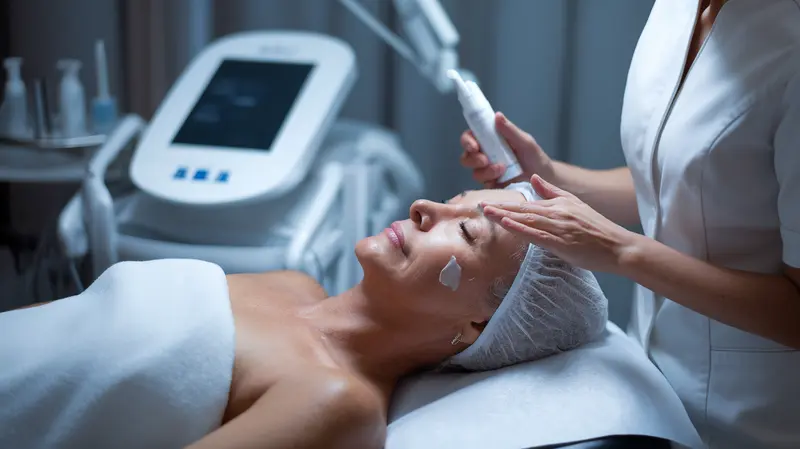
What qualifications will I receive after completing a Botox training course?
Botox training provides certification of completion. Additional state licensing or credentials may be required to practice independently.
Articles, Training Resources & Industry Insights for Medical Professionals
Botox training provides certification of completion. Additional state licensing or credentials may be required to practice independently.
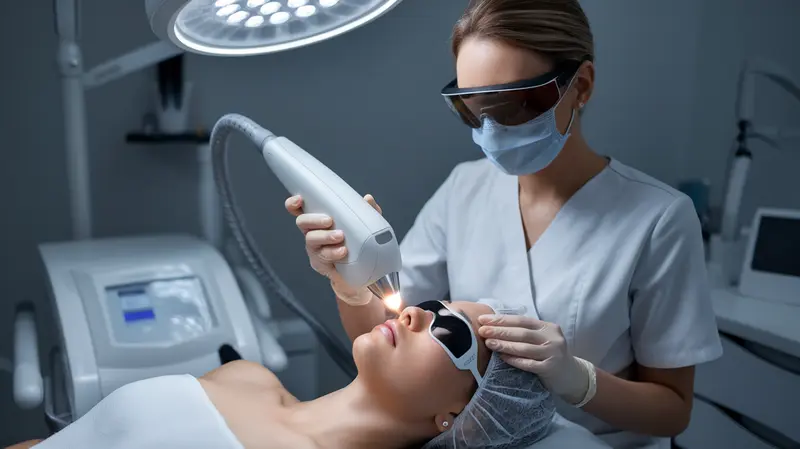
750 hours of aesthetician training typically takes 5-8 months full-time or 8-12 months part-time depending on schedule.
Yes, courses cover adverse reaction recognition, immediate management, patient communication, documentation, and referral protocols.
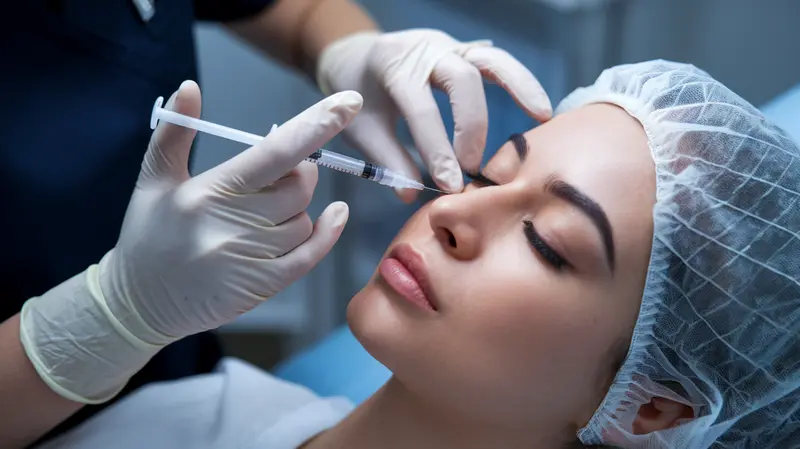
Dress codes typically include professional attire or scrubs, closed-toe shoes, secured hair, minimal jewelry, and hygiene compliance.
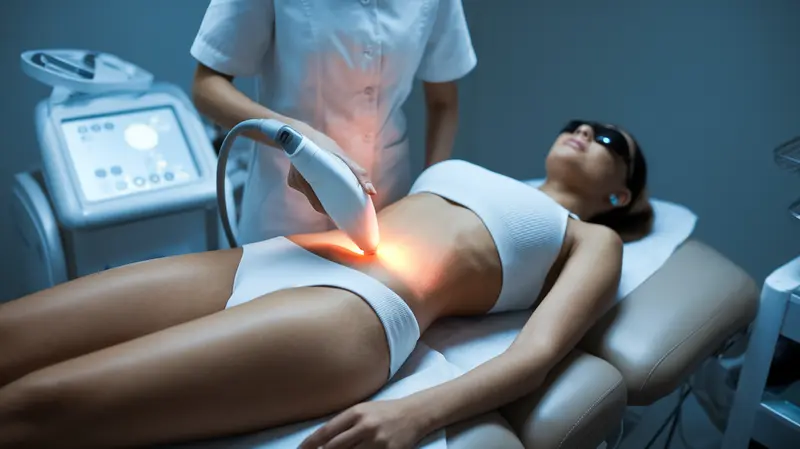
Yes, some courses cover therapeutic Botox uses including migraine treatment, hyperhidrosis, TMJ disorders, and muscle spasm management.
Timeline depends on obtaining credentials, meeting state requirements, and setting up practice systems. Many start within weeks of training.
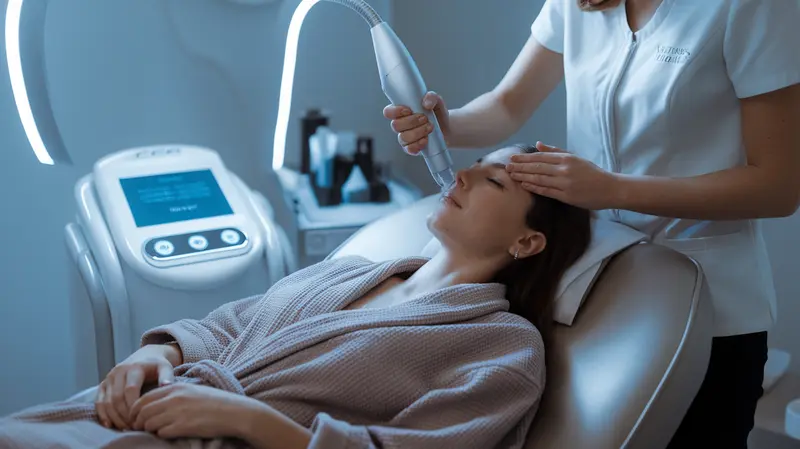
Sculptra costs $800-$1,500 per vial. Most patients require 2-4 vials over multiple sessions for optimal collagen stimulation results.

Many courses teach both Botox and dermal fillers together. Combined programs cover techniques, products, and patient assessment for each.
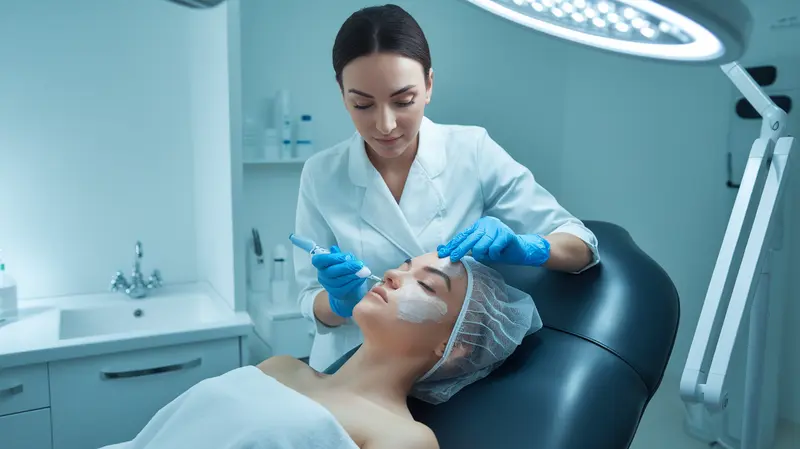
Botox certification costs $1,500-$5,000+ depending on program length, hands-on training included, and certification level provided.
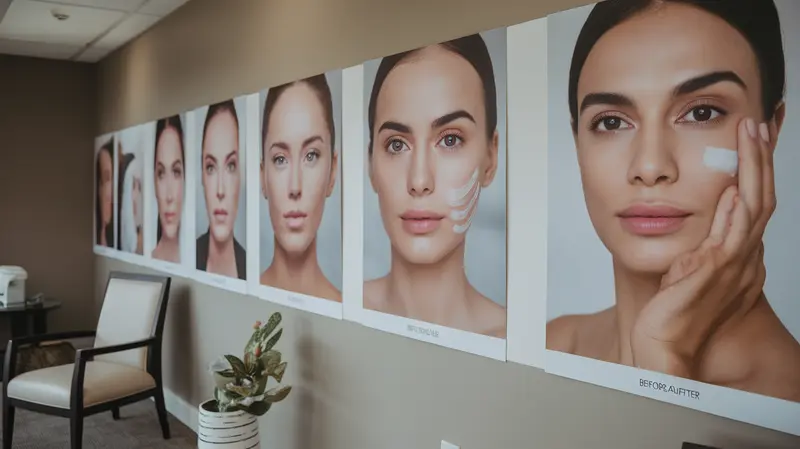
Aestheticians cannot become injection providers in most states. Medical licensure is required to administer Botox and fillers legally.
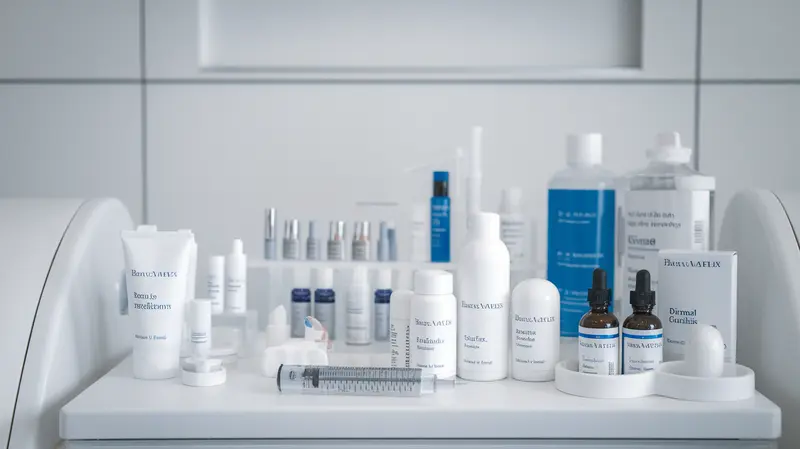
Yes, aestheticians can earn six figures through business ownership, premium markets, medical aesthetics work, or multiple revenue streams.
Aesthetician income ranges from $25,000 to $70,000+ depending on location, specialization, experience, and employment or business model.
Aesthetic.Education | The Next Step in Medical Learning

AE Medical promotes training for Physicians, Nurses, Dentists and other certified healthcare professionals. Aesthetic Education is a powerful resource to improve your practice and generate revenue.
Get updates on new courses, special offers, and industry news
Patient-friendly references our students use to explain procedures and career paths.