
Is there more money in cosmetology or esthetician?
Income potential varies by specialization and market rather than license type. Medical aesthetics and business ownership offer highest earnings.
Articles, Training Resources & Industry Insights for Medical Professionals
Income potential varies by specialization and market rather than license type. Medical aesthetics and business ownership offer highest earnings.
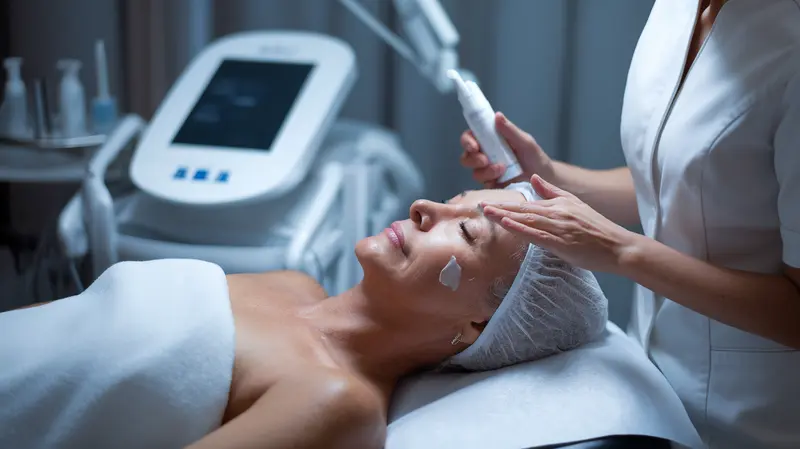
Skin tightening under chin costs $1,500-$4,000 for non-surgical options. Surgical neck lifts range from $4,000-$8,000 depending on extent.

Botox course prerequisites typically include valid medical license, healthcare background, and understanding of basic anatomy. Requirements vary.
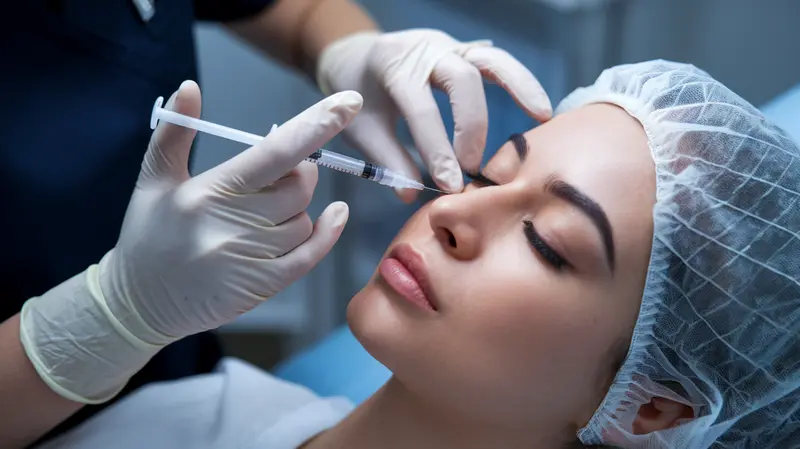
Cost comparison varies by treatment extent. Kybella: $2,400-$7,200 total. CoolSculpting: $2,000-$4,000 per area for fat reduction.
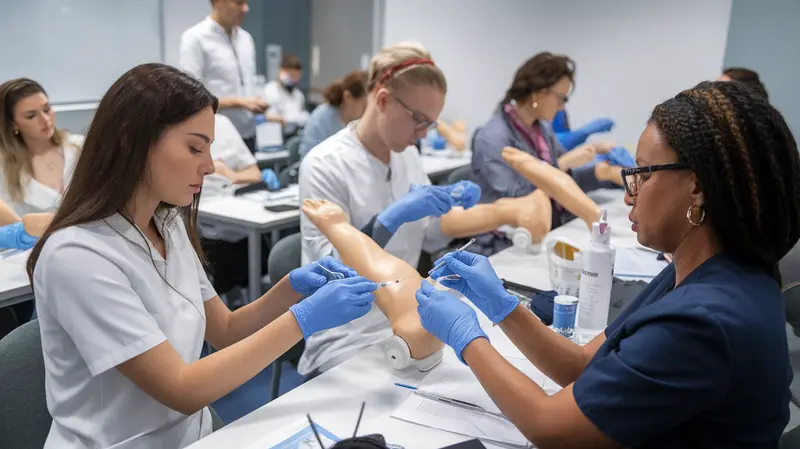
Aesthetician costs include $3,000-$20,000 for training plus licensing fees, supplies, and ongoing education. Financial aid may help.
Aesthetician school difficulty varies by program and individual aptitude. It requires mastering science concepts and practical techniques.
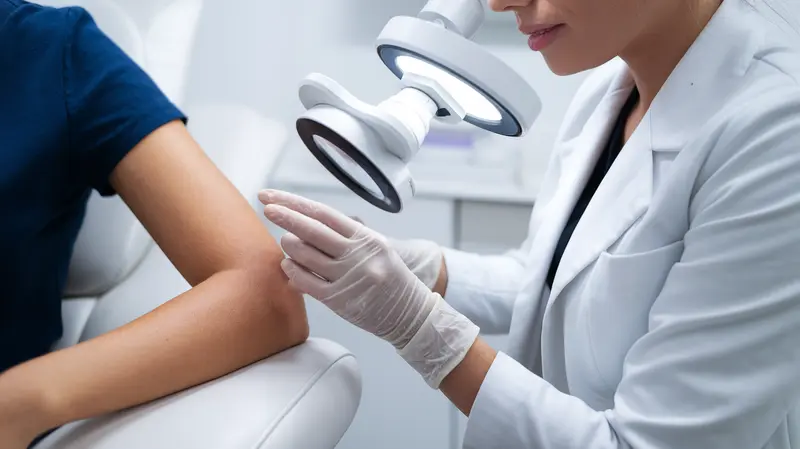
Botox course accreditation varies by provider. Look for programs recognized by medical boards or professional aesthetic organizations.
Nurses can perform Botox injections after training in most states. Scope of practice and supervision requirements vary by jurisdiction.
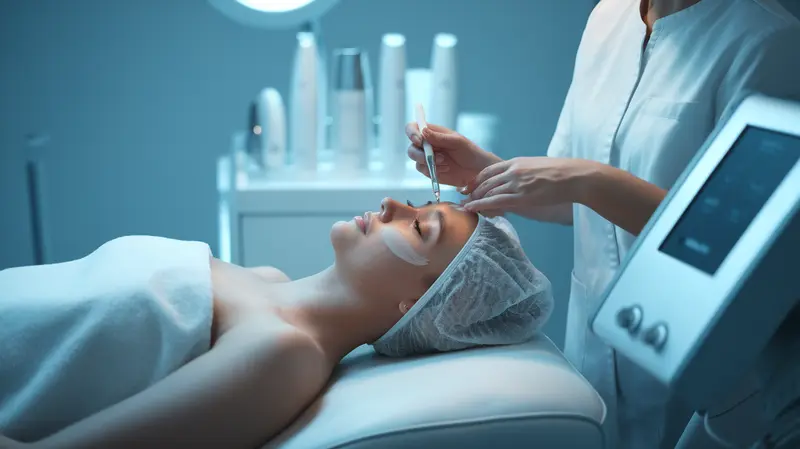
Marketing strategies include professional website, social media presence, before/after photos, patient reviews, and referral programs.

Yes, medical professionals can add Botox to existing practices after training. Requirements include proper licensing and insurance coverage.
A Botox training course teaches medical professionals injection techniques, facial anatomy, patient assessment, and safety protocols for cosmetic proc...
High aesthetician earnings require advanced certifications, premium market positioning, business development skills, and client retention systems.
Aesthetic.Education | The Next Step in Medical Learning

AE Medical promotes training for Physicians, Nurses, Dentists and other certified healthcare professionals. Aesthetic Education is a powerful resource to improve your practice and generate revenue.
Get updates on new courses, special offers, and industry news
Patient-friendly references our students use to explain procedures and career paths.