
Do you learn how to do Botox in esthetician school?
No, Botox is not taught in aesthetician school. Botox requires medical licensure and separate specialized training for administration.
Articles, Training Resources & Industry Insights for Medical Professionals
No, Botox is not taught in aesthetician school. Botox requires medical licensure and separate specialized training for administration.
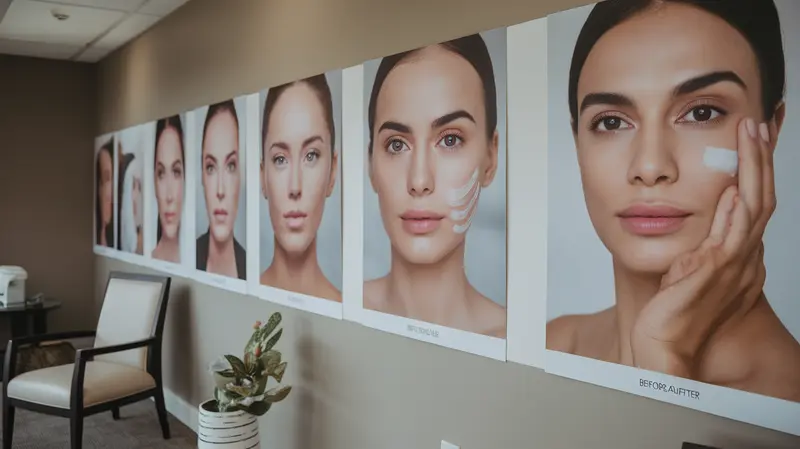
Benefits include expanded services, increased income potential, career advancement, and ability to meet patient demand for aesthetics.
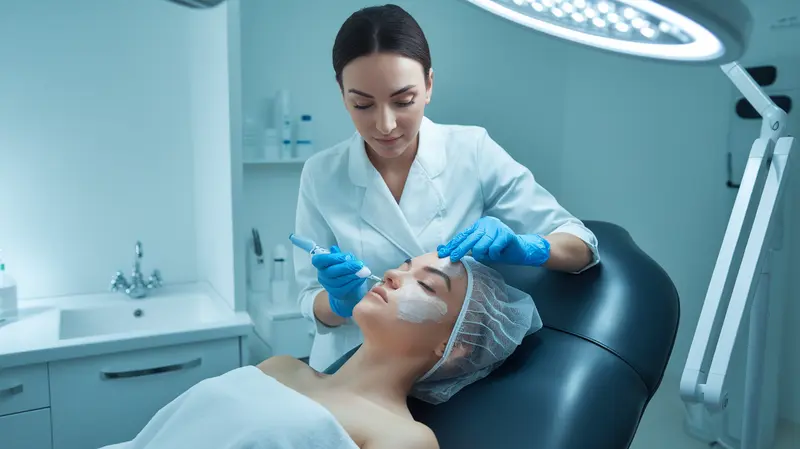
Botox injection requires medical licensure such as MD, DO, NP, PA, RN, or dental license. Specific requirements vary by state regulations.
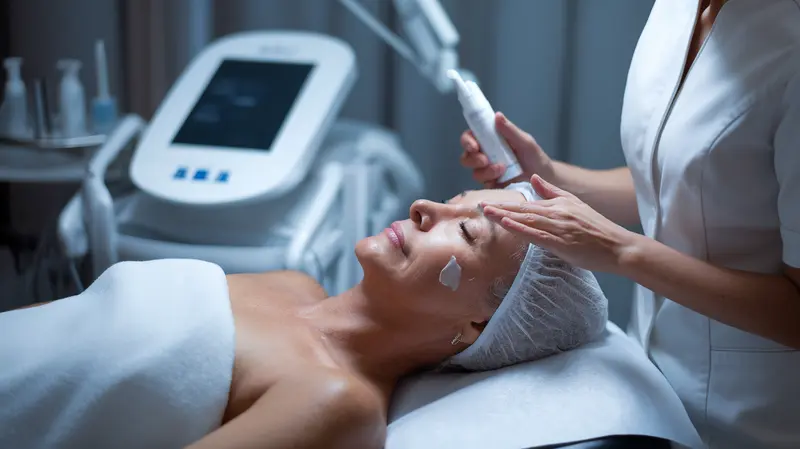
Valuable certifications include chemical peels, microdermabrasion, microneedling, laser safety, and medical aesthetics assistant credentials.
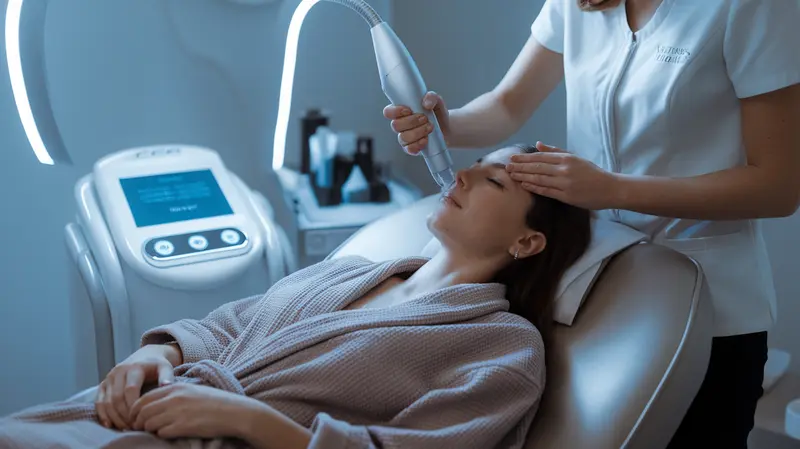
Aesthetician licensure requires 600-1,500 training hours depending on state. Programs typically take 4-12 months to complete.
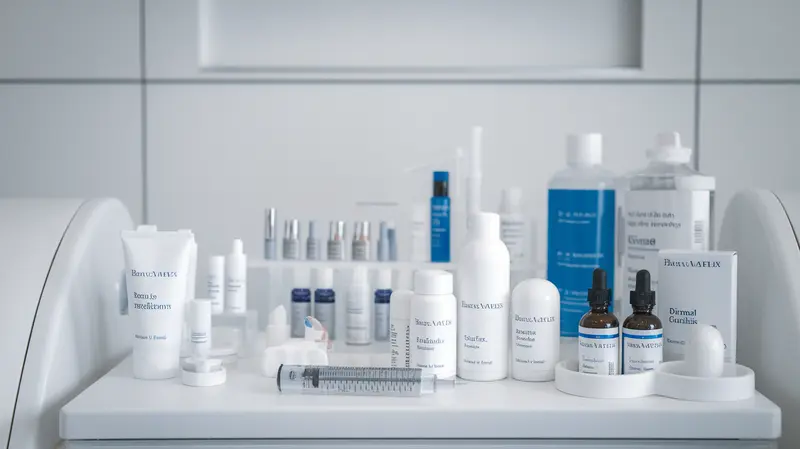
Newly licensed professionals can inject Botox if their license permits. Some states require supervision or additional training initially.
Mobile aesthetician careers require licensure, portable equipment, liability insurance, business permits, and transportation for client locations.
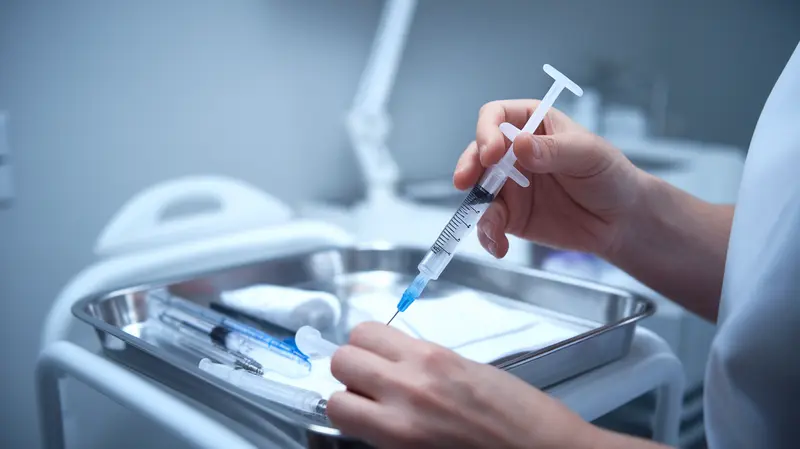
Best aesthetician schools offer accreditation, experienced instructors, comprehensive curriculum, hands-on training, and job placement support.
Botox injector scope of practice includes patient assessment, treatment planning, injection administration, and follow-up care within legal limits.
Botox training costs range from $1,500 to $5,000+ depending on program length, hands-on components, and certification level included.
Aesthetician license requires hands-on training that cannot be completed entirely online. Theory may be online but practicals are in-person.
Sephora scholarship supports beauty education for underrepresented individuals pursuing cosmetology, aesthetics, or related beauty industry careers.
Aesthetic.Education | The Next Step in Medical Learning

AE Medical promotes training for Physicians, Nurses, Dentists and other certified healthcare professionals. Aesthetic Education is a powerful resource to improve your practice and generate revenue.
Get updates on new courses, special offers, and industry news
Patient-friendly references our students use to explain procedures and career paths.