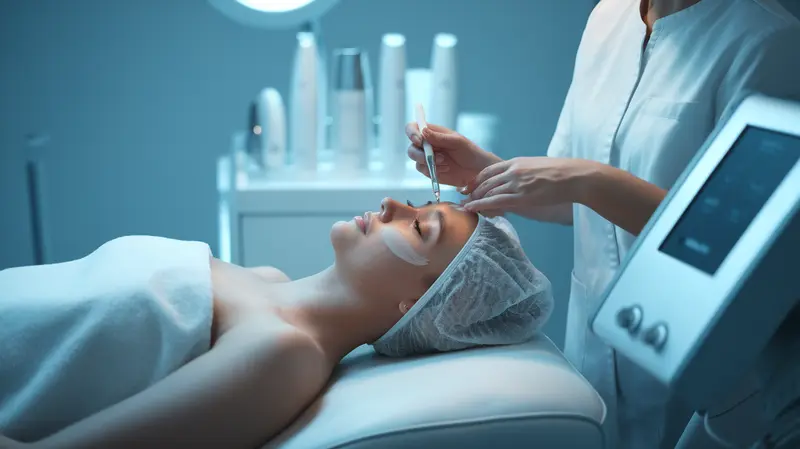
How long does a Botox training course take?
Botox training courses typically last one to three days depending on program depth. Some include extended hands-on practice sessions.
Articles, Training Resources & Industry Insights for Medical Professionals
Botox training courses typically last one to three days depending on program depth. Some include extended hands-on practice sessions.
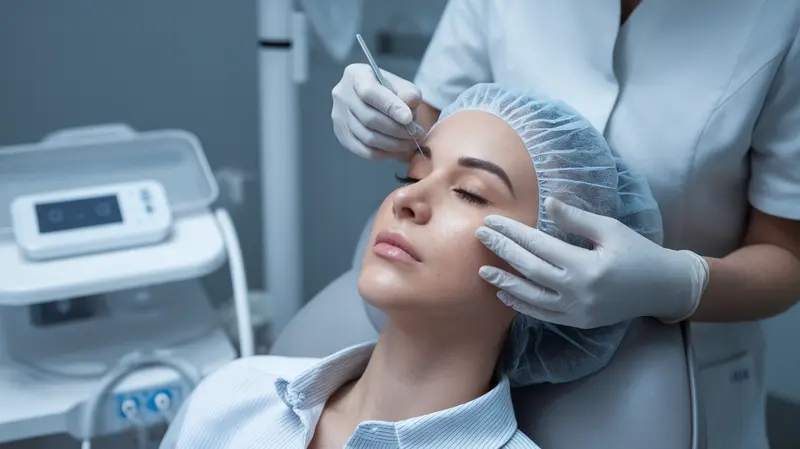
Botox courses cover facial anatomy, injection techniques, patient assessment, dosage calculations, safety protocols, and complication management.
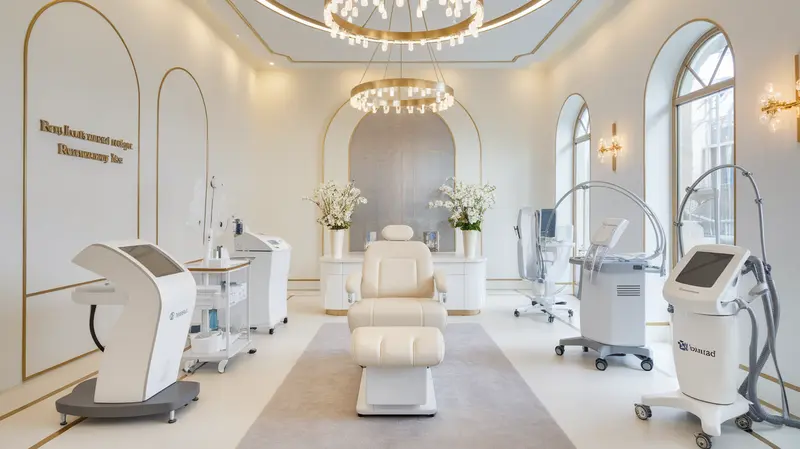
Practicing Botox after training depends on your license, state regulations, and supervision requirements. Some states require oversight initially.

Income comparison depends on specialization rather than license type. Advanced skincare aestheticians often earn more than general cosmetologists.
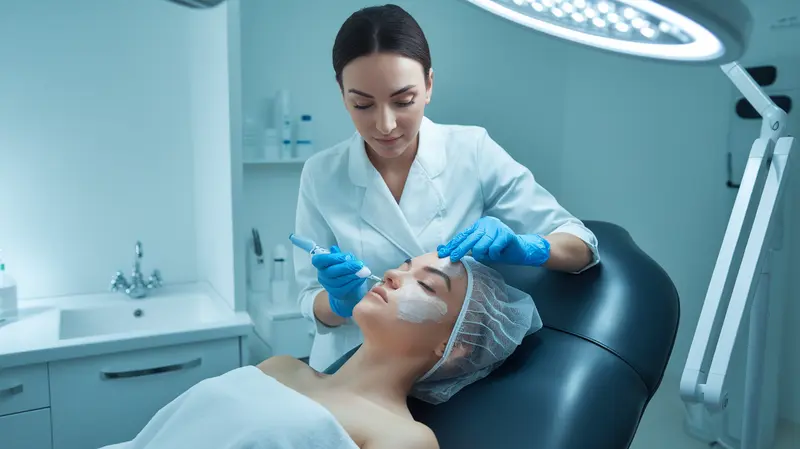
Yes, becoming an aesthetician at 50 is achievable. Life experience can benefit client relationships and business development skills.
Medical professionals receive comprehensive pharmacology and advanced techniques. Non-medical training focuses on basics where legally permitted.
ROI depends on patient volume, pricing, and expenses. Many practitioners recover training costs within the first few months of practice.
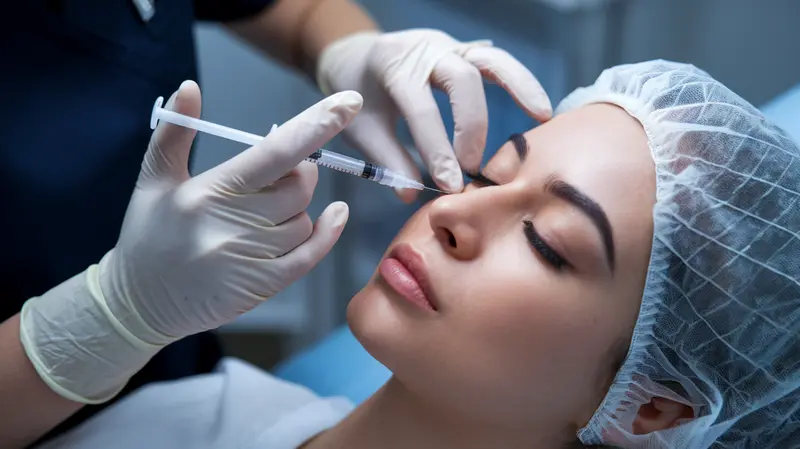
School choice affects education quality, job placement support, and industry connections. Research accreditation, reviews, and graduate outcomes.
Most profitable aesthetician services include advanced facials, chemical peels, microneedling, laser treatments, and medical aesthetics support.

Most states require medical credentials to take Botox courses. Requirements vary by jurisdiction and may include nursing, medical, or dental licenses.

Many Botox courses include written or practical exams to verify competency. Testing requirements vary by program and certification level.
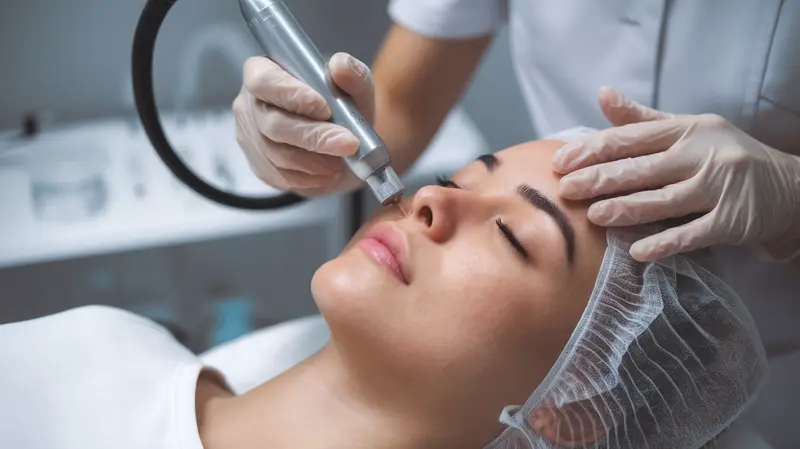
Yes, aesthetician programs assign homework including theory reading, product research, and written assignments supporting hands-on training.
Aesthetic.Education | The Next Step in Medical Learning

AE Medical promotes training for Physicians, Nurses, Dentists and other certified healthcare professionals. Aesthetic Education is a powerful resource to improve your practice and generate revenue.
Get updates on new courses, special offers, and industry news
Patient-friendly references our students use to explain procedures and career paths.