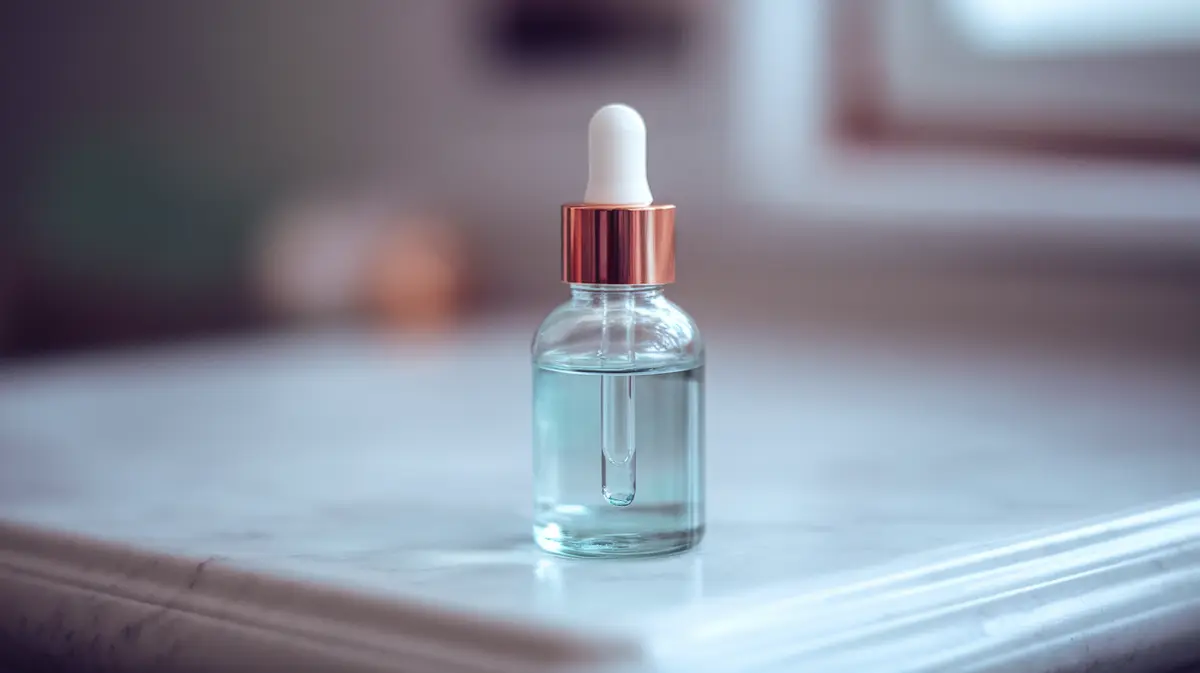
GHK-Cu, also called copper tripeptide-1, is one of the most studied peptides in skin science. It is a naturally occurring complex of the tripeptide glycyl-L-histidyl-L-lysine bound to a copper ion. Levels of GHK in the body decline with age, which has made it a focal point for practitioners interested in skin remodeling and regeneration.
What is GHK-Cu?
GHK was first isolated from human plasma. When bound to copper, it becomes GHK-Cu, a small molecule able to interact with skin cells and the surrounding matrix. It is found today in serums, post-procedure recovery products, and a growing number of professional treatment protocols.
How GHK-Cu works in the skin
Research suggests GHK-Cu acts on several pathways at once:
- Collagen and elastin support - it signals fibroblasts to produce structural proteins.
- Matrix remodeling - it helps balance the breakdown and rebuilding of the dermal matrix.
- Antioxidant activity - the copper component participates in the bodily defense against oxidative stress.
- Wound-healing signals - it is associated with improved tissue repair and reduced inflammation.
Aesthetic applications
Within aesthetics, GHK-Cu is most often discussed for improving skin firmness, smoothing fine lines, supporting an even tone, and accelerating recovery after resurfacing procedures such as microneedling, lasers, and peels. It is frequently layered into post-procedure care because of its repair-oriented profile.
How it is used
GHK-Cu appears in two broad formats: topical serums for daily skincare and professional formulations applied around in-clinic treatments. Concentration, pH, and pairing with actives such as vitamin C all influence results, which is why product selection and protocol design matter.
Safety and considerations
Topical GHK-Cu is generally well tolerated. As with any active, patch testing and gradual introduction reduce the risk of irritation. Practitioners should consider ingredient interactions and the timing of application relative to other procedures.
Key takeaways
- GHK-Cu is a copper-bound tripeptide tied to collagen support and skin repair.
- It is widely used in serums and post-procedure recovery protocols.
- Formulation quality and protocol design strongly influence outcomes.