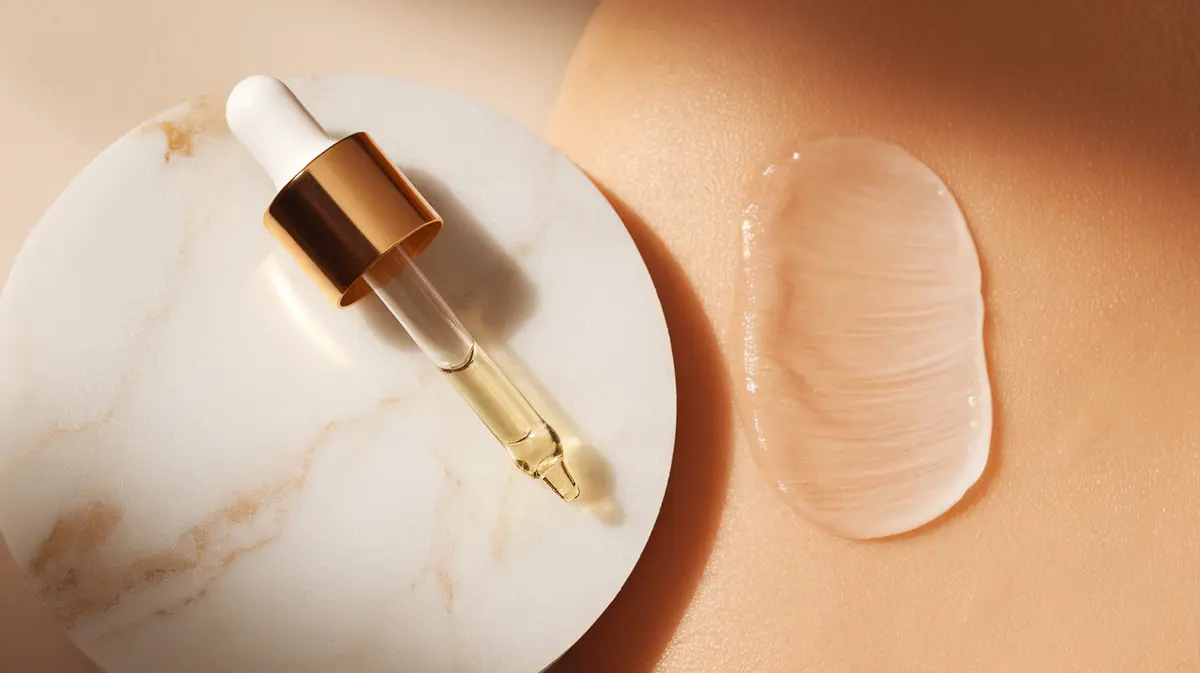
Matrixyl is the trade name for palmitoyl pentapeptide-4, a signal peptide widely used in anti-aging skincare. Rather than relaxing muscles like Argireline, Matrixyl belongs to a different class: it encourages the skin to build more of its own structural proteins.
What is Matrixyl?
Matrixyl pairs a short peptide sequence with a palmitic acid chain that improves penetration into the skin. The peptide fragment mimics a portion of collagen, which the skin interprets as a signal to repair and rebuild.
How Matrixyl works
By presenting a collagen-like message, Matrixyl is thought to stimulate fibroblasts to produce collagen, elastin, and other matrix components. Over time this can support firmer, smoother skin and a reduction in the appearance of fine lines. Newer blends such as Matrixyl 3000 and Matrixyl synthe-6 combine multiple peptides to target several pathways.
Aesthetic applications
- Fine lines and wrinkles - supports a smoother surface with ongoing use.
- Skin firmness - contributes to improved elasticity and tone.
- General maintenance - works well in daily anti-aging routines.
How it is used
Matrixyl is found in serums and moisturizers and pairs well with hydrators such as hyaluronic acid and with antioxidants. It is gentle enough for daily use and is often combined with retinoids and vitamin C in a complete regimen, with attention to layering and tolerance.
Safety and considerations
Matrixyl is well tolerated across skin types and is considered low-irritation. As a signal peptide, it produces gradual results, so consistency over months is important for visible benefit.
Key takeaways
- Matrixyl is a collagen-signaling peptide, not a muscle relaxer.
- It supports firmness and a smoother appearance over time.
- It layers well with hyaluronic acid, antioxidants, and retinoids.