
Does an esthetician or cosmetologist make more money?
Income comparison depends on specialization rather than license type. Advanced skincare aestheticians often earn more than general cosmetologists.
Articles, Training Resources & Industry Insights for Medical Professionals
Income comparison depends on specialization rather than license type. Advanced skincare aestheticians often earn more than general cosmetologists.

Yes, becoming an aesthetician at 50 is achievable. Life experience can benefit client relationships and business development skills.
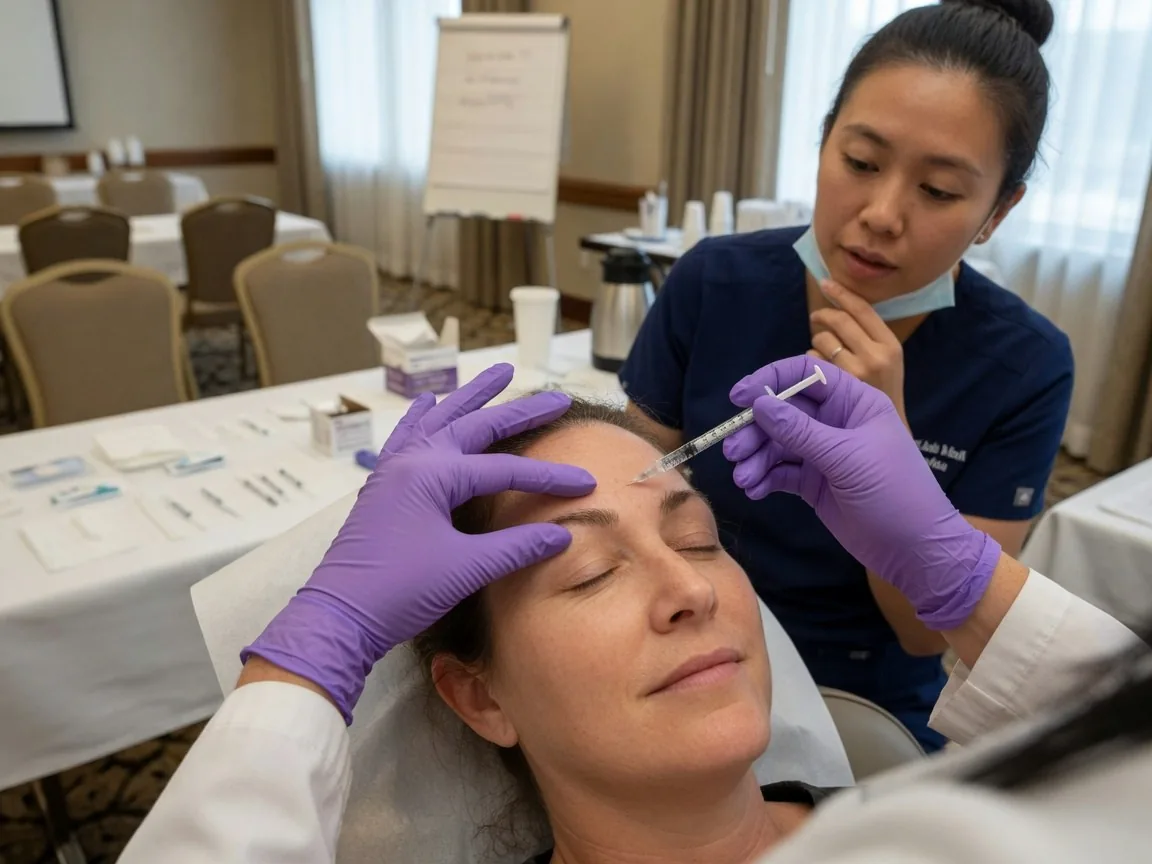
School choice affects education quality, job placement support, and industry connections. Research accreditation, reviews, and graduate outcomes.

Most profitable aesthetician services include advanced facials, chemical peels, microneedling, laser treatments, and medical aesthetics support.

Yes, aesthetician programs assign homework including theory reading, product research, and written assignments supporting hands-on training.

750 hours of aesthetician training typically takes 5-8 months full-time or 8-12 months part-time depending on schedule.
Dress codes typically include professional attire or scrubs, closed-toe shoes, secured hair, minimal jewelry, and hygiene compliance.

Aesthetician schedules vary. Many work 3-5 days weekly including weekends and evenings when client demand is highest.
Aestheticians earn most in metropolitan areas, medical spas, luxury resorts, and high-income neighborhoods with premium clientele demand.

Aesthetician compensation varies by employer. Options include hourly wages, service commission, flat fees per treatment, or combinations.

Certification renewal requirements vary by provider. Many require continuing education credits annually or biannually to maintain credentials.
Self-employed aestheticians need licensure, business registration, liability insurance, equipment, marketing strategy, and client acquisition systems.
Aesthetic.Education | The Next Step in Medical Learning

Aesthetic Education promotes training for Physicians, Nurses, Dentists and other certified healthcare professionals. Aesthetic Education is a resource for clinicians who want to add these skills to their practice.
Get updates on new courses, special offers, and industry news
Patient-friendly references our students use to explain procedures and career paths.